

Experts Identify Everyday Items as Possible Microplastic Sources
- Last update: 6 hours ago
- 3 min read
- 788 Views
- BUSINESS
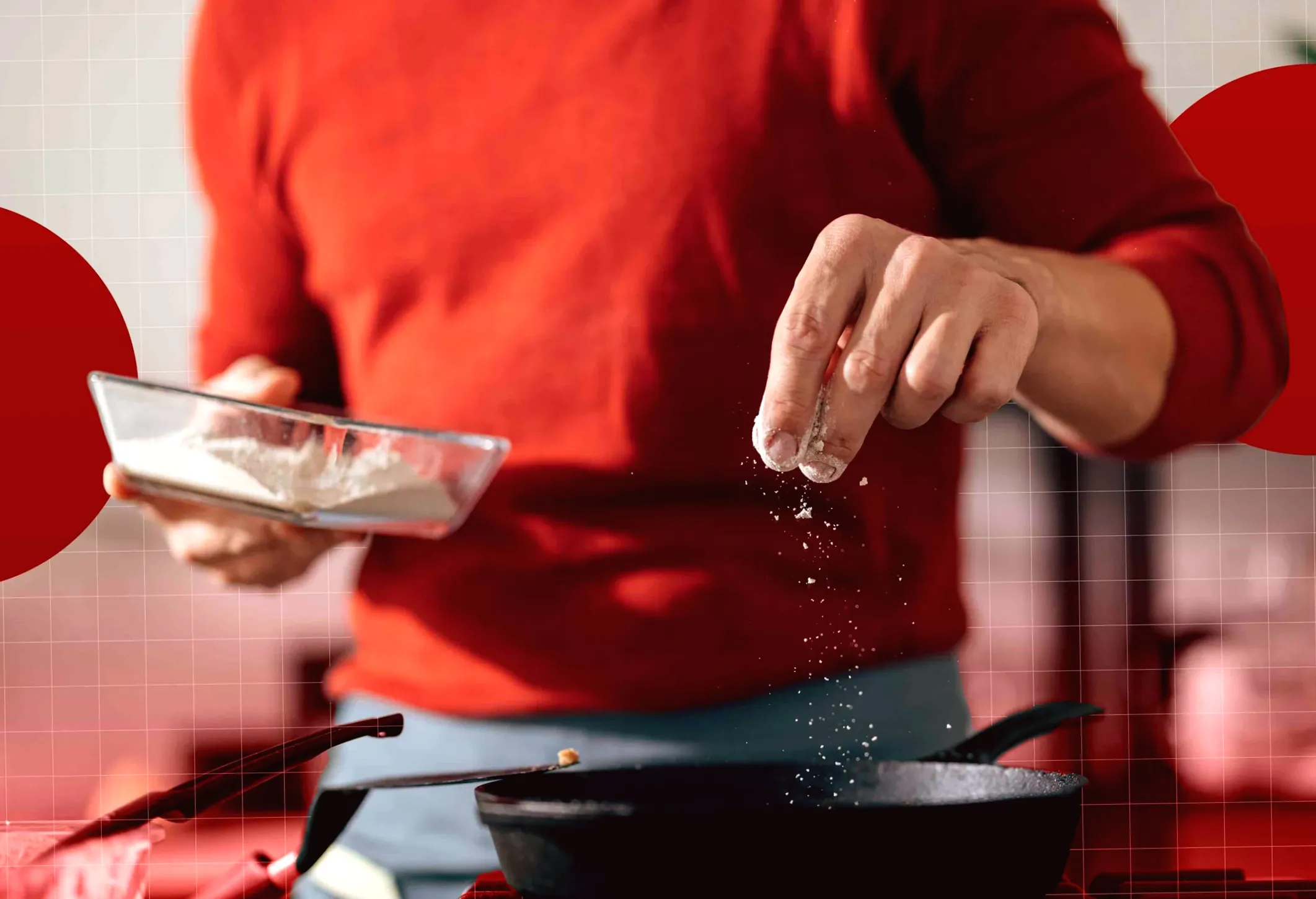
Microplastics, tiny fragments of plastic less than 5 mm in size, are appearing in places many people wouldnt expect, from paper cups to toothpaste. While the health implications remain under investigation, specialists recommend strategies to reduce exposure.
Switching to materials like glass, stainless steel, and ceramics can significantly lower microplastic intake. Just as public attention previously focused on BPA and phthalates, microplastics are now drawing concern, particularly regarding their presence in food and potential health effects.
Understanding Microplastics
Microplastics are small plastic particles resulting from environmental plastic pollution. The FDA notes that although microplastics may be present in certain foods due to packaging or cultivation methods, there is currently no evidence that the detected levels pose a health risk.
Chemist Dr. Chris DeArmitt explains that plastic pollution has been studied for decades, with over 2,000 peer-reviewed articles documenting its presence even in the air we breathe. Completely avoiding plastic is nearly impossible, but awareness of potential exposure remains important.
Some research has suggested a possible link between microplastics in the brain and neurological conditions like dementia, though the methodologies of these studies are debated, and exposure levels are generally very low.
Common Sources of Microplastics
1. Paper Cups and Takeout Containers
Many paper cups and containers are coated with plastic layers such as polyethylene to prevent leaks. Heat can cause these coatings to release microplastics into food or beverages. Experts suggest using reusable options made from stainless steel, glass, or ceramic.
2. Tea Bags
Some tea bags contain plastic or are sealed with plastic materials, potentially releasing billions of microplastic particles per bag. Using loose-leaf tea with a teapot or stainless steel infuser can minimize exposure.
3. Toothpaste and Oral Products
Certain toothpastes still contain microbeads, and items like toothbrushes, dental floss, and orthodontic devices may contribute to microplastic ingestion. Alternatives include microplastic-free toothpaste or DIY mixes using baking soda and water.
4. Seafood
Microplastics accumulate in marine life and can end up in seafood consumed by humans. Studies have detected plastic in a wide variety of fish and shellfish. Limiting seafood intake can reduce exposure, although seafood remains a valuable source of nutrients like omega-3 fatty acids.
5. Salt
Both sea and terrestrial salts, including Himalayan and black salts, have been found to contain microplastics. Reducing salt consumption can lower exposure while also supporting cardiovascular health. Herbs and spices are a flavorful alternative.
6. Clothing
Synthetic fabrics such as polyester, nylon, and acrylic shed microplastics when washed. While replacing all synthetic clothing is impractical, choosing natural fibers when possible can help reduce exposure.
Practical Advice from Experts
Completely avoiding microplastics is unrealistic, but exposure can be minimized through small lifestyle changes. Using ceramic or glass containers, choosing natural-fiber clothing, and reducing reliance on plastic kitchen tools are simple steps that may offer long-term benefits. While the full health impact of microplastics is still debated, making these adjustments poses little risk and could support overall wellness.
Author: Olivia Parker
Share

Researchers uncover unsettling findings after exposing mice to everyday household trash: 'Consider the implications for humans'
17 hours ago 2 min read WORLD
New reports reveal alarming danger in food storage containers: 'Higher risk for exposure'
21 hours ago 2 min read BUSINESS
Supermarket chain introduces groundbreaking initiative to transform product offerings: 'Our focus is clear'
1 days ago 2 min read BUSINESS
State officials sign petition calling for government agency to reveal troubling information: 'Transparency is essential'
2 days ago 2 min read US
Researcher warns of alarming consequences of city nightlife: 'People need to be aware'
3 days ago 2 min read BUSINESS

New regulations in the EU target reducing pellet pollution in packaging systems
4 days ago 3 min read BUSINESS
Researchers find unsettling revelation beneath Earth's surface: 'Consequences remain unknown'
4 days ago 2 min read SCIENCE
Researchers shocked by disturbing discovery at almost all 'sanctuaries' surveyed in the nation
5 days ago 2 min read HEALTH

The top 12 non-toxic cooking utensils to swap out your plastic spatulas and spoons
5 days ago 4 min read HEALTH
Alarm raised by experts following disturbing link to rise in liver issues: 'First scientific proof provided'
5 days ago 2 min read HEALTH