

Gas prices drop while electricity costs rise, providing both GOP and Dems with a topic on affordability
- Last update: 1 hours ago
- 3 min read
- 794 Views
- BUSINESS
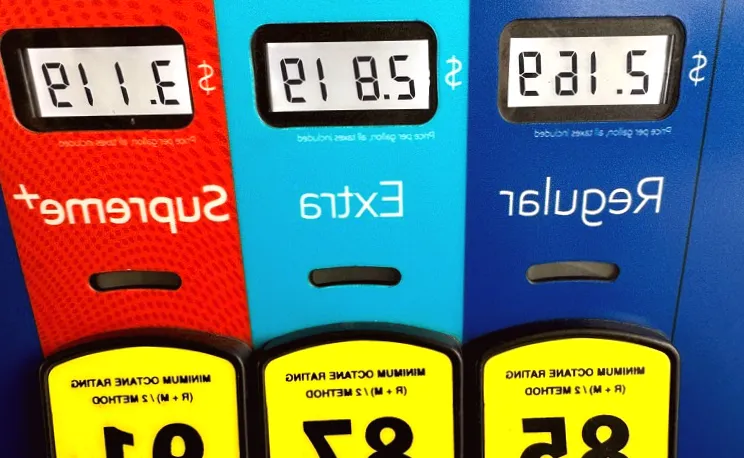
Fuel costs have declined while electricity and natural gas rates are rising, creating a politically charged landscape over energy affordability. Democrats are criticizing the administration for soaring power bills, whereas former President Trump and his supporters highlight falling gasoline prices.
Gasoline is around $2.50 per gallon, and it could even drop to $2 at some point, Trump remarked during a recent Cabinet meeting.
According to the American Automobile Association (AAA), the national average for gasoline recently fell below $3 per gallon, reaching $2.98 on Friday. Energy prices, especially gasoline, are really low now, Trump added.
On the other side, several Democrats have raised alarms about rising electricity expenses. Senator Ruben Gallego (D-Ariz.) wrote on X, Energy costs have increased 11% under Trump, and families are facing power shutoffs. This winter could be deadly if no action is taken.
MIT professor Christopher Knittel noted that both parties have valid points: electricity costs are climbing faster than inflation, while oil prices have seen some decline. The impact on households depends on their individual energy consumption patterns, which vary widely.
Over the past year, overall energy prices have generally mirrored inflation trends, though regional and energy-type differences are significant. In September, total energy costs were up 2.8% from the previous year, slightly below the 3% overall inflation rate. Gasoline prices were marginally lower than last years $3.03 per gallon but remain far below 2022 levels, when the national average exceeded $5 per gallon during the post-pandemic and Ukraine conflict period.
Electricity, however, has risen notably. In September, nationwide electric rates were 5.1% higher than a year prior, with certain areas facing sharper increases21% in New Jersey and 31% in Washington, D.C. Natural gas for utilities surged 11.7% over the same period, driven by strong demand for LNG exports and colder-than-expected early-year temperatures, according to Ira Joseph of Columbia Universitys Center on Global Energy Policy.
Mark Wolfe, executive director of the National Energy Assistance Directors Association, explained that higher electricity bills are straining already tight family budgets. Rising costs for power, compounded by relatively low gasoline prices, are fueling frustration. He highlighted concerns about energy-intensive data centers and necessary grid upgrades after storm damage as additional contributors to rising electricity rates.
Data from the Electric Power Research Institute indicates that gasoline is the largest household energy expense, averaging $2,930 per household in 2024, compared to $1,850 for electricity.
The Trump administrations policies have mixed effects on energy prices. Relaxed environmental regulations may lower electricity costs, while cutting renewable energy subsidies and promoting LNG exports could increase them. Eliminating renewables subsidies raises electricity prices, while deregulating fossil fuel plants may lower themnet effects remain uncertain, Knittel said.
Despite recent price trends, Knittel emphasized that rising electricity costs are not solely due to current administration policies. Electricity rates have been increasing for two decades, so one year of policy changes cannot explain the full rise, he said.
The energy cost debate underscores the broader political struggle between Democrats and Republicans to position themselves as the party best equipped to manage the economy. During a Cabinet meeting, Trump dismissed Democratic claims about energy affordability as misleading, while House Energy and Commerce Committee member Rep. Frank Pallone (D-N.J.) countered that families nationwide are genuinely struggling to cover their bills.
Author: Jackson Miller
Share

Trump to suggest decreasing vehicle fuel efficiency standards
2 hours ago 2 min read POLITICS

The Trump Administration Plans to Suggest Loosened Fuel-Economy Rules
3 hours ago 2 min read BUSINESS
December 2025 Gas Price Averages Across U.S. States
9 hours ago 2 min read BUSINESS

Trump reverses Biden-era fuel economy standards to make cars more affordable
13 hours ago 2 min read BUSINESS

FACT FOCUS: Experts doubt Trump's claim that weaker gas mileage rules will lead to cheaper cars
19 hours ago 3 min read BUSINESS

The recent fluctuations in gas prices in Vermont
22 hours ago 1 min read BUSINESS

Opinion - Hold Democrats accountable for high energy prices, not data centers
22 hours ago 3 min read BUSINESS
US gas prices fall below $3 on average, except in these states
1 days ago 2 min read BUSINESS

Trump Reveals Strategy to Increase Vehicle Emissions
1 days ago 2 min read BUSINESS

Democrats aim to establish a fresh approach towards fossil fuels.
2 days ago 2 min read POLITICS