

Industry stands its ground against San Francisco's UPF lawsuit.
- Last update: 1 hours ago
- 2 min read
- 603 Views
- BUSINESS
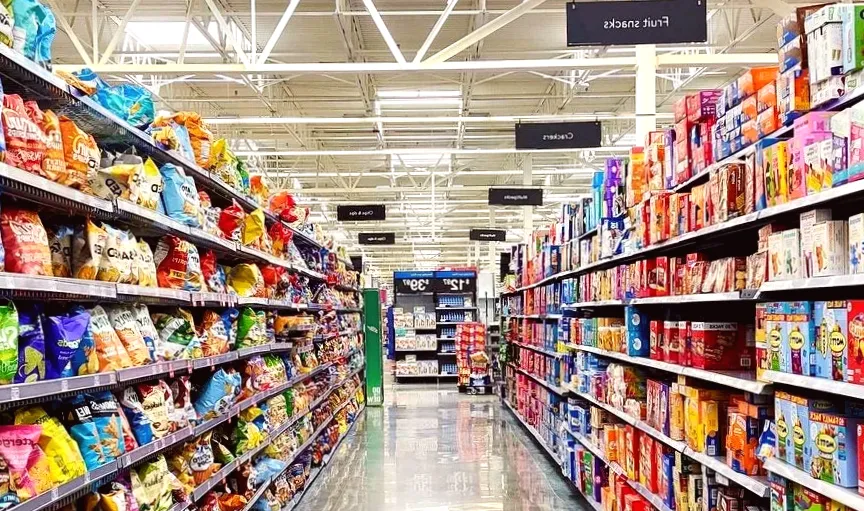
The Consumer Brands Association (CBA) has stepped forward to defend food and beverage manufacturers after San Francisco launched legal action targeting ultra-processed foods (UPFs).
San Francisco City Attorney David Chiu announced the lawsuit this week against 11 major packaged food and beverage companies. The list includes US giants like Kraft Heinz, Mondelez International, Mars, General Mills, PepsiCo, Coca-Cola, Post Holdings, WK Kellogg, Kellanova, and Conagra Brands, as well as Swiss multinational Nestl.
The complaint, filed in the San Francisco Superior Court on behalf of the People of California, accuses these companies of engaging in unfair and deceptive practices in marketing and selling UPFs. According to the lawsuit, these actions allegedly violate Californias Unfair Competition Law and public nuisance statutes. The suit demands the companies take collective action to mitigate the negative effects of their products and seeks restitution and civil penalties to help offset the healthcare costs linked to UPF consumption.
At the time of reporting, none of the targeted companies had provided a public response to the lawsuit.
In reply, the CBA issued a statement highlighting ongoing reformulation efforts by manufacturers, emphasizing the difficulties in categorizing UPFs. The organization noted that many companies are actively working to improve nutrition by increasing protein and fiber content, lowering sugar and sodium levels, and removing synthetic colorings from products.
Sarah Gallo, Senior Vice President of Product Policy at CBA, emphasized the complexity of defining ultra-processed foods and cautioned against labeling foods unhealthy solely due to processing. She stressed that companies adhere to FDA standards and provide products that are safe, affordable, and convenient, allowing consumers to make informed dietary choices.
Chiu criticized the industry, arguing that manufacturers have designed and marketed addictive UPFs to maximize profits, contributing to a public health crisis. According to the city attorney, UPFs surged in prevalence during the 1980s and 1990s and now account for roughly 70% of the US food supply.
San Franciscos Director of Health, Daniel Tsai, described the lawsuit as essential for protecting public health, noting that ultra-processed foods disproportionately affect low-income communities and communities of color while driving higher rates of chronic illnesses such as diabetes, heart disease, and cancer.
Author: Aiden Foster
Share

The closure of Zipcar may force me to purchase a car
4 minutes ago 3 min read BUSINESS

Potential metal fragment contamination affects multiple brands of shredded cheese sold at Aldi, Target, and Walmart
18 minutes ago 3 min read BUSINESS

Workers claim increase in minimum wage has both positive and negative effects
20 minutes ago 2 min read BUSINESS

Projeto Paradiso Unveils Bold 2026 Incubator Slate at Ventana Sur (EXCLUSIVE)
22 minutes ago 3 min read BUSINESS

Jordyn Woods Talks about Ideal Gifts for Boyfriends, Latest NBA Merch Collection at Amazon, and Launch of Her Own Clothing Label: ‘I’ve Been Anticipating This Opportunity’
22 minutes ago 2 min read BUSINESS

Scott Mills Steps Down as CEO of BET
23 minutes ago 2 min read BUSINESS

Bridge to be closed for investigation work on vehicles
24 minutes ago 1 min read BUSINESS

Succession of Lifeboats and Disordered Bath Market
25 minutes ago 2 min read BUSINESS

Closure of 'valued' path sparks petition with hundreds of signatures
35 minutes ago 2 min read BUSINESS

Elon Musk Acknowledges Difficulty in Spending Time with All His Children, Open to Welcoming More through Adoption
36 minutes ago 3 min read BUSINESS