

Reeves may have to cut school funding due to declining birth rate
- Last update: 1 days ago
- 3 min read
- 862 Views
- BUSINESS
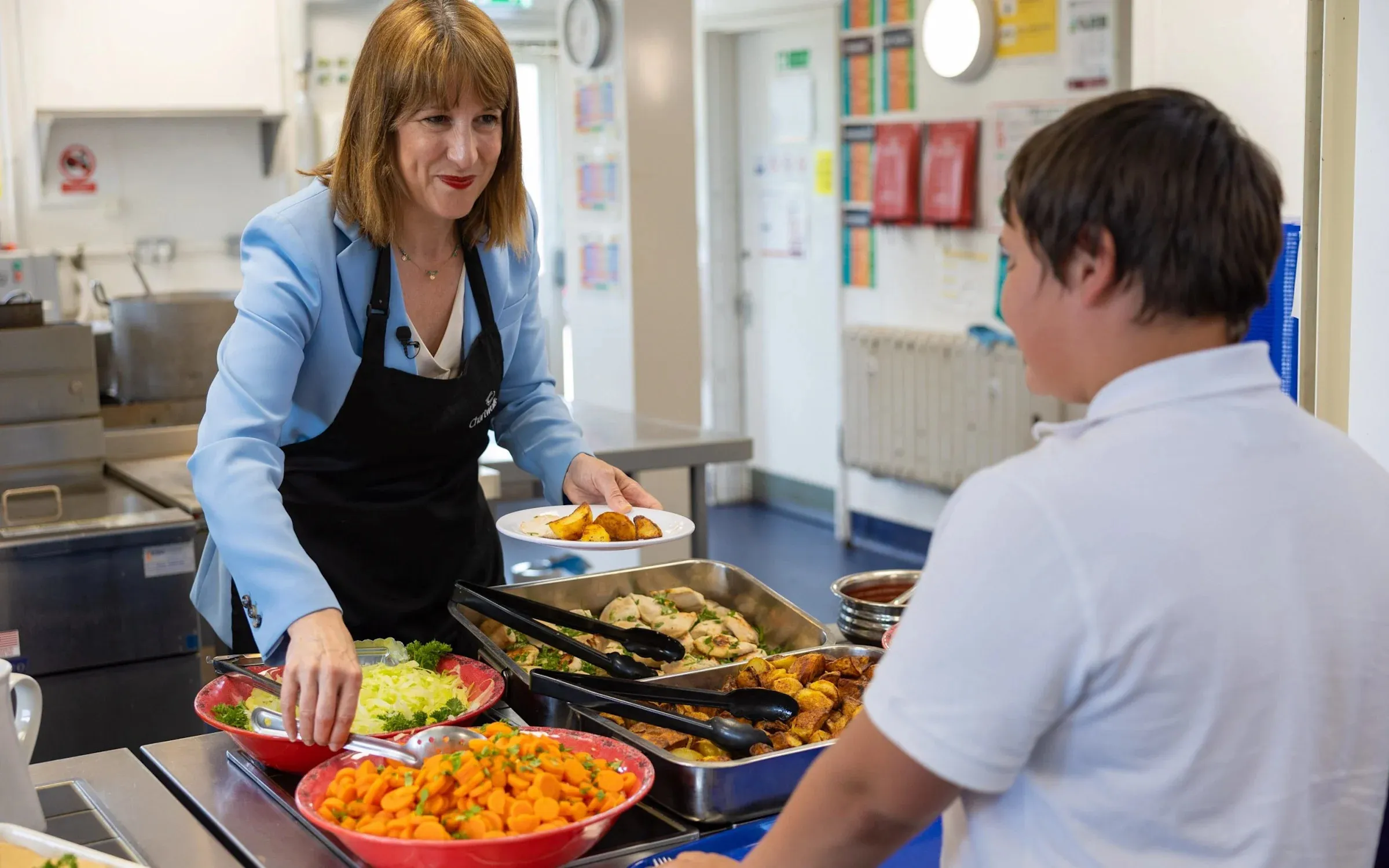
The Institute for Fiscal Studies (IFS) has warned that a steep decline in school-age children over the next decade could provide an opportunity for the Chancellor to reduce education spending. The number of children in the UK is projected to fall by roughly 800,000, around 7%, between 2025 and 2035 due to declining birth rates, leaving classrooms increasingly underfilled.
Birth rates have dropped from 1.94 children per woman in 2010 to just 1.41 last year, the lowest since records began in the 1930s. For population stability without migration, the replacement rate is 2.1 children per woman.
The IFS suggested that this demographic shift might allow the government to make budgetary savings while managing rising costs from an ageing population. Potential measures include school closures, fewer teachers, or smaller class numbers.
Earlier this year, the government announced a 1% annual real-term increase in per-pupil school funding. Analysts note that freezing per-pupil spending until 2028-29 could have saved approximately 2 billion.
Luke Sibieta, IFS research fellow, explained, Reducing teacher numbers and schools can generate public savings. With fewer children, maintaining the current number of schools may not be necessary.
However, such moves would likely draw criticism from education unions. Daniel Kebede, general secretary of the National Education Union, argued, Smaller class sizes are the right response to declining pupil numbers and would benefit students. Many classes still exceed 31 pupils, above the OECD average. The government should use this chance to reduce class sizes.
The IFS also noted that an alternative to cutting budgets would be to increase per-pupil funding. Sibieta added that the falling birth rate will have significant implications for education. Between 2016 and 2025, primary school enrollment fell by 3% in Scotland, 4% in Wales, 1% in England, and 9% in London, though this has not led to widespread school closures.
In London, overall primary school numbers decreased only 2% over the same period, with reductions primarily achieved by lowering teacher numbers and class counts. In contrast, other regions saw more closures: Wales lost 7% of primary schools, Scotland 3%, and Northern Ireland 6%.
Sibieta emphasized, Policymakers must decide whether the decline in children is long-term, requiring fewer schools and teachers, or temporary, which would argue against rapid cutbacks.
Funding pressures are also increasing due to responsibilities for special educational needs and disabilities (SEND). The Office for Budget Responsibility recently reported a 6 billion shortfall in central SEND funding, with sources for covering this gap not yet identified. The NEU has warned of strikes if core school budgets are used to fill this shortfall. Labour plans to overhaul the SEND system, with a white paper expected next year.
Author: Grace Ellison
Share

Government promises to put an end to children residing in B&Bs
1 days ago 3 min read WORLD

Even this Labour minister acknowledges that Britain is not great for under-50s
1 days ago 2 min read WORLD
Bill Gates criticizes ‘major increase in child mortality’ as nearly 5 million kids will die before turning 5 this year
2 days ago 3 min read BUSINESS
Childhood mortality set to increase for the first time this millennium
2 days ago 1 min read BUSINESS

Gates Foundation: Increase in Child Mortality
2 days ago 2 min read BUSINESS

£30 Christmas food vouchers to be distributed to families in need
4 days ago 2 min read USA

Reeves relaxes eligibility requirements for teenagers with ADHD
5 days ago 3 min read HEALTH