
The Coca-Cola's Forgotten Soft Drink from World War II
- Last update: 1 hours ago
- 3 min read
- 503 Views
- BUSINESS
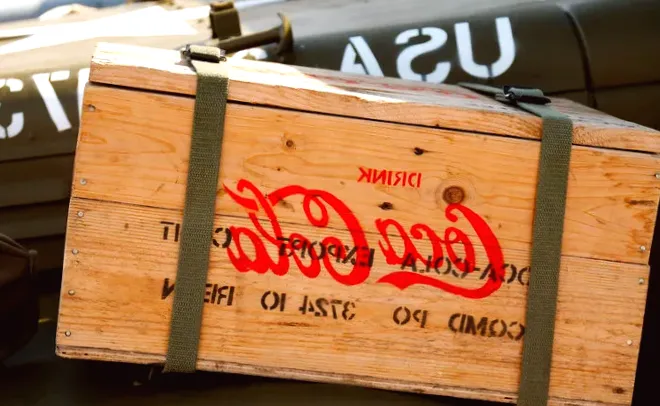
Over its century-long history, Coca-Cola has seen numerous remarkable events, from major missteps like the New Coke debacle to triumphs such as being the world's leading soft drink in 2025. Among these milestones, some aspects of its story are less known, particularly concerning one of its subsidiaries, Fanta. This popular fruit-flavored soda actually has roots in World War II and Nazi Germany, making it one of the most controversial chapters in the history of soft drinks.
The creation of Fanta is closely linked to wartime circumstances. After the United States entered World War II, it imposed a complete trade embargo on Nazi Germany under the Trading with the Enemy Act of 1917, which stopped the export of Coca-Colas syrup. Facing the impossibility of producing Coca-Cola in Germany, Max Keith, who managed Coca-Colas German operations, decided to innovate using locally available ingredients. His team developed a new soda from whey, apple fibers, and seasonal fruits, producing a drink that resembled ginger ale in appearance. This beverage became the first version of Fanta.
Fantas notoriety stems from the fact that Coca-Cola continued operations in Nazi Germany during the war. Max Keith leveraged his connections within the Third Reich to maintain control of Coca-Cola GmbH, allowing the company to avoid restrictions such as sugar rationing. The resulting drink was sweet and appealing, gaining popularity not only as a beverage but also as a cooking ingredient. Although Keith never formally joined the Nazi Party, he took steps to align with the regime, including supplying rationed Coca-Cola to the military and mimicking Adolf Hitlers appearance. Coca-Cola GmbH also celebrated Hitlers 50th birthday with a mass salute.
Coca-Cola has largely avoided addressing this wartime association, even though it briefly acknowledged related controversies in 2015, when a German Fanta commercial was withdrawn and an apology issued for referring to the 1940s as the good old times. A company spokesperson emphasized that the ad was intended to evoke nostalgia, not to associate the brand with Hitler or the Nazi Party.
After the war, Max Keith remained loyal to Coca-Cola, continuing Fantas production until 1949. Although the beverage was temporarily discontinued, it was reintroduced in 1955 as competition from PepsiCo spurred new flavored sodas. Today, Fanta has evolved from its original apple-based flavor to the globally recognized Fanta Orange and has expanded into numerous regional variations that reflect local ingredients and tastes. For example, Fanta Orange originated in Italy, Fanta Guarana in Brazil uses Amazonian seeds, Yogurt Rush Melon Mix comes from Japan, and Fanta Shokata blends Romanian elderflower with orange flavor.
Fantas journey from a wartime improvisation to an international soda brand illustrates both its complex history and the remarkable adaptability that helped it endure and thrive in the global market.
Author: Lucas Grant