

The rise of scams targeting desperate job seekers in Britain
- Last update: 1 days ago
- 3 min read
- 735 Views
- BUSINESS
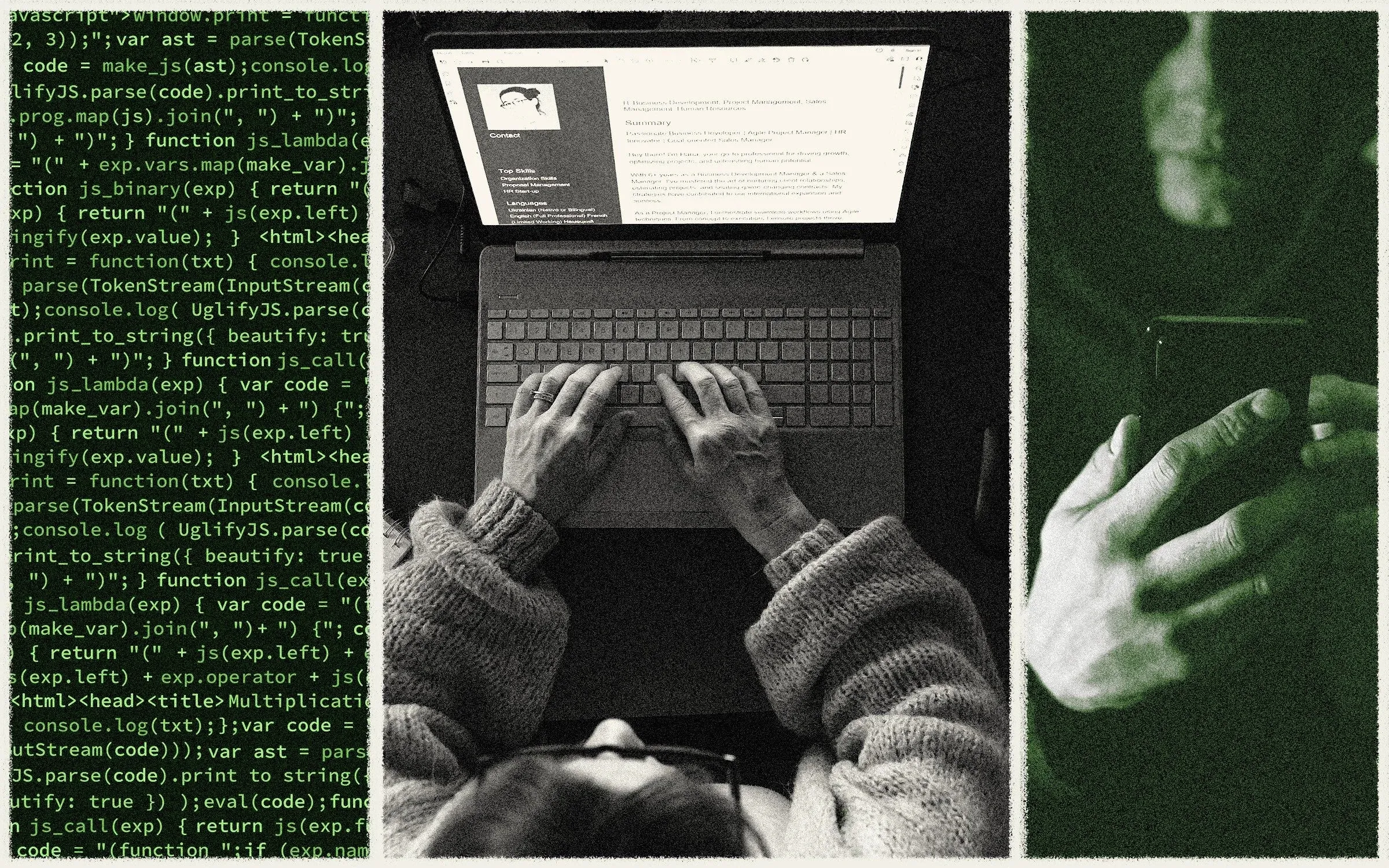
Emilia* was eagerly seeking employment when she encountered an Instagram post promising a simple, lucrative work-from-home opportunity: packaging products and applying labels, with the potential to earn up to 800 per week. Having struggled to find steady work while training to become a teacher, the offer seemed ideal for extra income.
I had been unemployed for over a decade and wanted to regain my independence, she explains. Finding a job after such a long break is extremely challenging.
After contacting the number in the ad, she was quickly directed to Telegram, where she met Melissa. Emilia soon learned that her role would not involve packaging but instead liking TikTok videos for 3 each. She completed a formal application process and even received training, mirroring a real jobbut it was a scam.
As competition for jobs intensifies, falling for these enticing schemes has surged nationwide. Between 2022 and 2024, job and recruitment scams in the UK increased by over 130%, with 4,900 reports filed last year alone, more than double the previous years total.
Annya Burskys from Nationwide notes that these scams are increasingly common, particularly among unemployed 16- to 24-year-olds active on TikTok and Instagram. However, people of all ages are vulnerable. Emilia, 45, is a case in point.
Initially, she received small payments into her bank account, which seemed legitimate. Gradually, she was instructed to deposit her earnings into a crypto wallet and purchase specific cryptocurrencies. Encouraged by a group chat of other participants appearing to profit, she invested more money, eventually borrowing 880 from her brother. Shortly after, she was asked to deposit an additional 1,500 to access her supposed earnings. At this point, she realized it was a scam.
Emilia lost 1,200, including her brothers contribution. Beyond the financial blow, the emotional toll was severe. I couldnt stop crying for days. It was devastating, she recalls.
With unemployment rising, job scams are becoming more sophisticated and widespread. Giles Mason from Take Five explains that criminal networks adapt their strategies to exploit vulnerable job seekers, from graduates to those recently unemployed. Many victims are used as money mules to transfer illicit funds, a role linked to nearly a quarter of reported cases.
Social media has become a prime channel for these scams, turning platforms into a golden goose for fraudsters, according to the US Federal Trade Commission. Scams often take two forms: identity theft, where personal details are collected under the guise of a legitimate job, and advance fee fraud, which lures victims into paying money to access fake work, as Emilia experienced.
Both tactics exploit desperation, gradually building trust before creating urgency to act against ones better judgment. Recovering funds is difficult; Emilia managed to retrieve a small amount via her bank, but payments sent through PayPal and Revolut were largely lost. Although some refunds were later issued, the financial and emotional damage remains significant.
Despite government efforts to curb scam communications via mobile networks, social media remains largely unregulated. Over half of reported scams in 2023 were linked to platforms such as Facebook and Instagram, with many free posts slipping past preventive measures.
I feel foolish and frustrated, Emilia admits. Platforms like Instagram and Facebook have a responsibility to prevent these adverts.
*Names have been changed to protect identities.
Author: Lucas Grant
Share

Paris Hilton has built her personal brand by focusing on 'The Simple Life' and 11:11 Media
4 days ago 2 min read MOVIES

Wife Gets Embarrassed by Husband for Bragging About Salary to Wealthy Cousin She Thought Was Poor
4 days ago 3 min read US

Millionaire Camilla Araujo Leaves Fans in Suspense After Major Announcement
5 days ago 3 min read MUSIC

Becoming a viral sensation doesn't guarantee earning millions
5 days ago 3 min read ECONOMICS