

Warning: Watch Out for This Troublesome Stink Bug Species That Destroys Fruit & Vegetable Crops
- Last update: 2 days ago
- 2 min read
- 269 Views
- BUSINESS
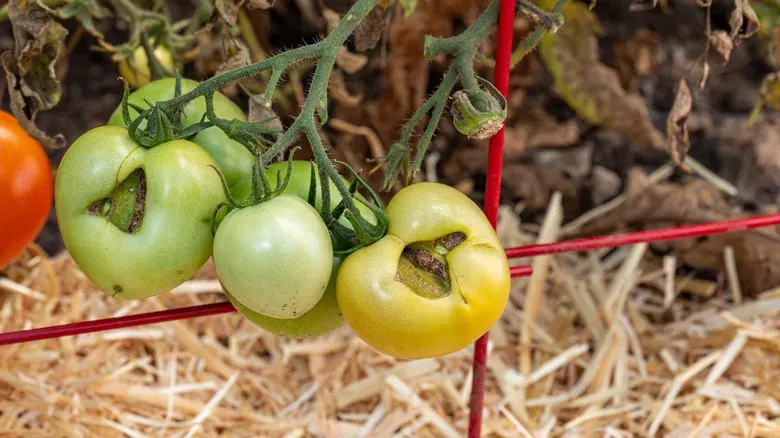
Your garden requires effort and patience, often taking weeks or months to produce fruits and vegetables. Imagine discovering your crops riddled with holes, deformed, or scarred just when harvest time arrives. This is the reality if the invasive brown marmorated stink bug (Halyomorpha halys) infiltrates your garden.
Accidentally introduced to North America in the mid-1990s, this species is far more destructive than native stink bugs, which are mostly harmless and sometimes even beneficial. The brown marmorated stink bug attacks over 200 plant species, including highly prized fruits and vegetables, and has now spread across most U.S. states.
What makes this pest even more concerning is its ability to travel easily. Even gardens in unaffected areas could soon face infestations. Recognizing and managing this bug is essential to protect your crops and ensure healthy, unblemished produce.
Identifying the Brown Marmorated Stink Bug
The brown marmorated stink bug has a shield-shaped body with a mottled brown appearance. Its antennae feature alternating light and dark bands, distinguishing it from local stink bugs. Look for a pale thorax with gray or black markings and visible edges of the abdomen. Adults are approximately 5/8 inch long.
These bugs feed using piercingsucking mouthparts, extracting plant juices while injecting saliva, which damages the produce. Vegetables like tomatoes and peppers develop sunken spots, while fruits such as peaches, apples, and cherries exhibit "cat-facing" deformities. Feeding wounds also provide an entry point for diseases, further harming fruit trees.
How to Manage Brown Marmorated Stink Bugs
Controlling this pest is challenging due to its mobility and tolerance to insecticides. Effective strategies include:
- Regularly inspecting garden edges, leaves, and fruit during the growing season.
- Removing small numbers of bugs by hand and submerging them in soapy water.
- Using row covers or insect-exclusion netting to protect crops.
- Applying chemical treatments like pyrethroids or neonicotinoids when infestations are severe, following label instructions carefully and avoiding sprays during flowering to protect pollinators.
- Introducing biological control agents, such as the samurai wasp, which parasitizes stink bug eggs and can reduce populations.
- Maintaining a clean garden by removing debris and excess vegetation to minimize breeding sites.
With careful monitoring and targeted actions, gardeners can minimize the damage from brown marmorated stink bugs and continue to enjoy bountiful, high-quality harvests.
Author: Lucas Grant
Share

How the trucking industry in America turned into a nightmare
2 hours ago 4 min read BUSINESS

EU launches antitrust investigation into Meta's WhatsApp AI capabilities
3 hours ago 2 min read BUSINESS

Judge mandates annual rebidding for default search deals with Google in significant antitrust ruling
3 hours ago 2 min read BUSINESS

Article: Will Smith & Jada Pinkett Smith Upset About $3M Lawsuit
3 hours ago 2 min read BUSINESS

Formosa and Rxilient ink deal for licensing APP13007
3 hours ago 2 min read BUSINESS

Truth commission calls on Finland to address Sami injustices
3 hours ago 2 min read BUSINESS

Alyssa Farah Griffin's Health Issues Cause Absence from 'The View'
3 hours ago 2 min read BUSINESS
Plans underway to create new 20mph zones for safer streets
3 hours ago 2 min read BUSINESS

Shakespeare trust introduces 'adopt a beam' program
3 hours ago 2 min read BUSINESS

Greek Parliament approves purchase of 36 PULS launchers from Elbit Systems for $758 million
3 hours ago 2 min read BUSINESS