

Why ICE is targeting car washes in LA: Inflicting terror on our communities
- Last update: 2 hours ago
- 3 min read
- 446 Views
- BUSINESS
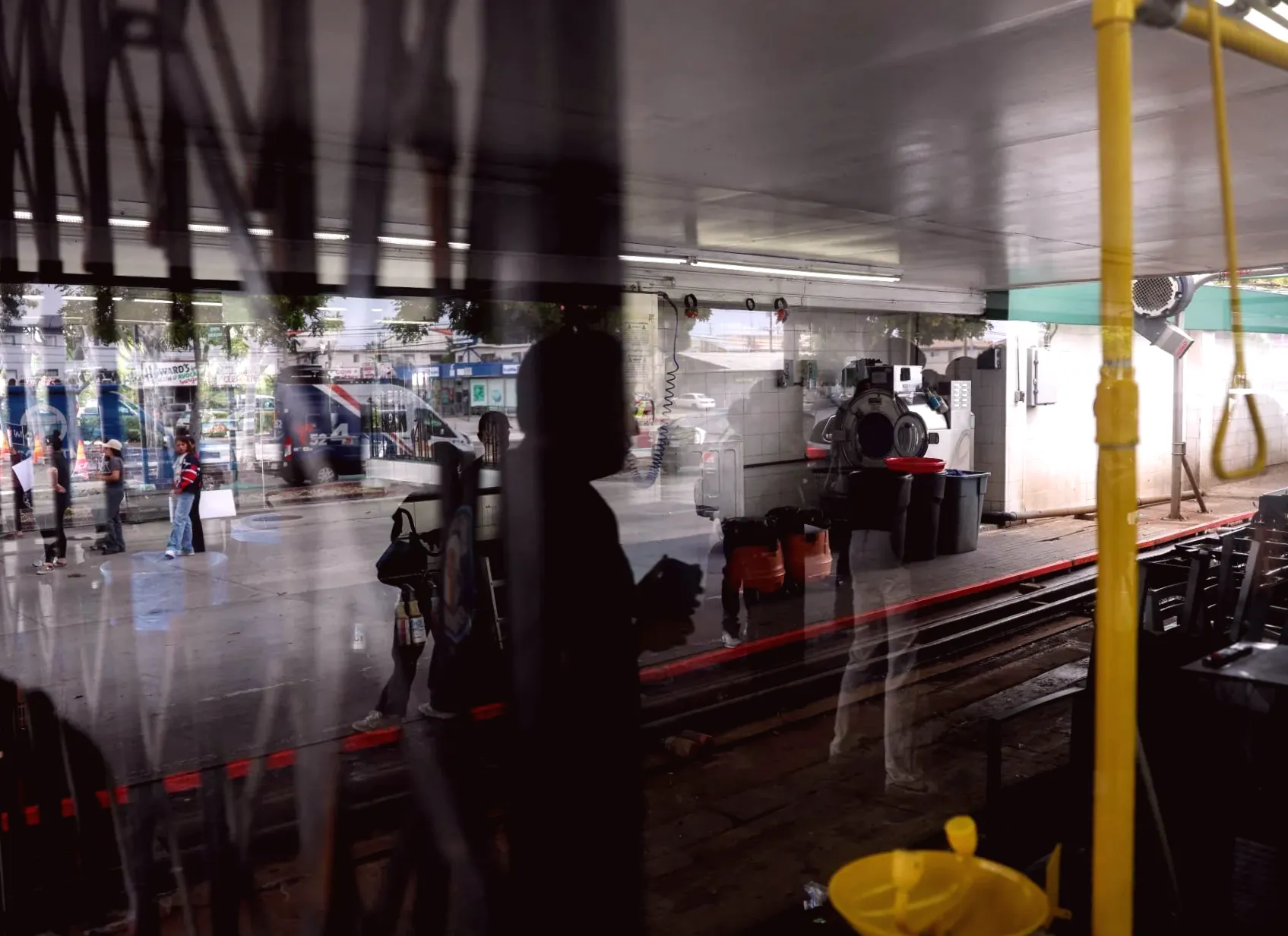
In June, the Trump administration initiated large-scale immigration enforcement operations in Los Angeles, using the city as a stage for tactics that have come to define its nationwide deportation strategy. These operations focused on public arrests designed to funnel as many people as possible into the expanding immigrant detention system.
Among the most frequently affected were carwash employees, a sector particularly exposed to federal scrutiny.
Why carwashes are vulnerable
Carwash workers are often undocumented, and the industry is largely made up of small businesses with minimal political influence. Their workplaces are openly visible, leaving workers little opportunity to avoid detention. Additionally, carwash employees benefit from the advocacy of the Clean Carwash Worker Center, which has been active since 2007 in promoting labor rights, combating wage theft, and helping workers unionize alongside United Steelworkers Local 675.
Clean played a key role in establishing the 2014 Carwash Worker Law, creating a restitution fund for victims of wage theft. Since Trumps inauguration, the organization has focused on countering the administrations mass deportation policies. By connecting legal aid and bond resources with families facing deportation, Clean acts as a crucial support network.
Scale and impact of raids
Clean has tracked more than 101 ICE operations targeting carwashes across southern California, leading to the arrest of at least 346 workers. Many were quickly deported, though Clean helped 20 secure release on bond.
Andrea Gonzalez, deputy director of Clean, explains that the raids threaten all carwash employees, including U.S. citizens and permanent residents, creating widespread fear. Financially, many businesses temporarily closed, either due to security concerns or lack of staff. Customers also avoided these carwashes, fearing involvement in raids.
Legal challenges and community support
Despite a federal judges order restricting indiscriminate arrests from July to early September, operations did not cease entirely. Clean has adapted its efforts, offering mutual aid, financial support, and a legal fund to help workers access representation. They collaborate with organizations such as the National Day Labor Organizing Network to reinforce community protection.
The majority of targeted workers are Latino men, though many women and long-time industry employees are also affected. Some are senior citizens or individuals with existing health conditions. Many face coerced deportation, often without the chance to challenge their cases in court.
Psychological toll
The raids have created deep psychological strain, producing hyper-vigilance and a constant sense of danger. Gonzalez describes the situation as terror inflicted on the community, where workers feel hunted and struggle to feel safe even in their own homes.
Cleans mission has shifted from solely educating workers about rights to providing a lifeline for those at risk of disappearing into the detention system. By maintaining contact with employers, families, and community networks, the organization helps ensure that detained workers are not forgotten.
A lifeline for the vulnerable
Through coordinated legal and community support, Clean has managed to secure bond for several workers and prevent others from vanishing into the detention system. The organization works tirelessly to connect workers with resources and allies before, during, and after ICE operations, providing both practical and emotional support to a community under siege.
Author: Aiden Foster
Share

'Good Morning America' Executives Hold Confidential Emergency Meeting After Losing Top Ratings Position to 'Today'
8 minutes ago 1 min read BUSINESS

"We Need to Take This Seriously": A Psychotherapist Discusses How Trump-Related Anxiety is Impacting His Therapy Sessions on Fox News
10 minutes ago 2 min read BUSINESS

Revealed by ESPN insiders: Red Sox trade plans for Jarren Duran expose harsh truth
11 minutes ago 2 min read BUSINESS

Costco files new lawsuit against Trump administration to reclaim tariffs
23 minutes ago 2 min read BUSINESS

Fox News Elevates Aishah Hasnie to Anchor and White House Correspondent
25 minutes ago 2 min read BUSINESS

Why 'clearance rates' are not a complete indicator of crime resolution
25 minutes ago 4 min read BUSINESS

AMC Becomes the New Broadcast Partner for TNA Wrestling’s Thursday Night iMPACT
26 minutes ago 2 min read BUSINESS

Hellmann's Mayonnaise Featured in Super Bowl 57
29 minutes ago 2 min read BUSINESS

FMCSA registry full of fraudulent CDL schools, industry executive claims
30 minutes ago 3 min read BUSINESS

Fox News to be tested on its coverage of the 2020 Election in Smartmatic case
36 minutes ago 2 min read BUSINESS