

American money is turning the Cotswolds into the 'Hamptons of England'
- Last update: 5 days ago
- 3 min read
- 15 Views
- ECONOMICS
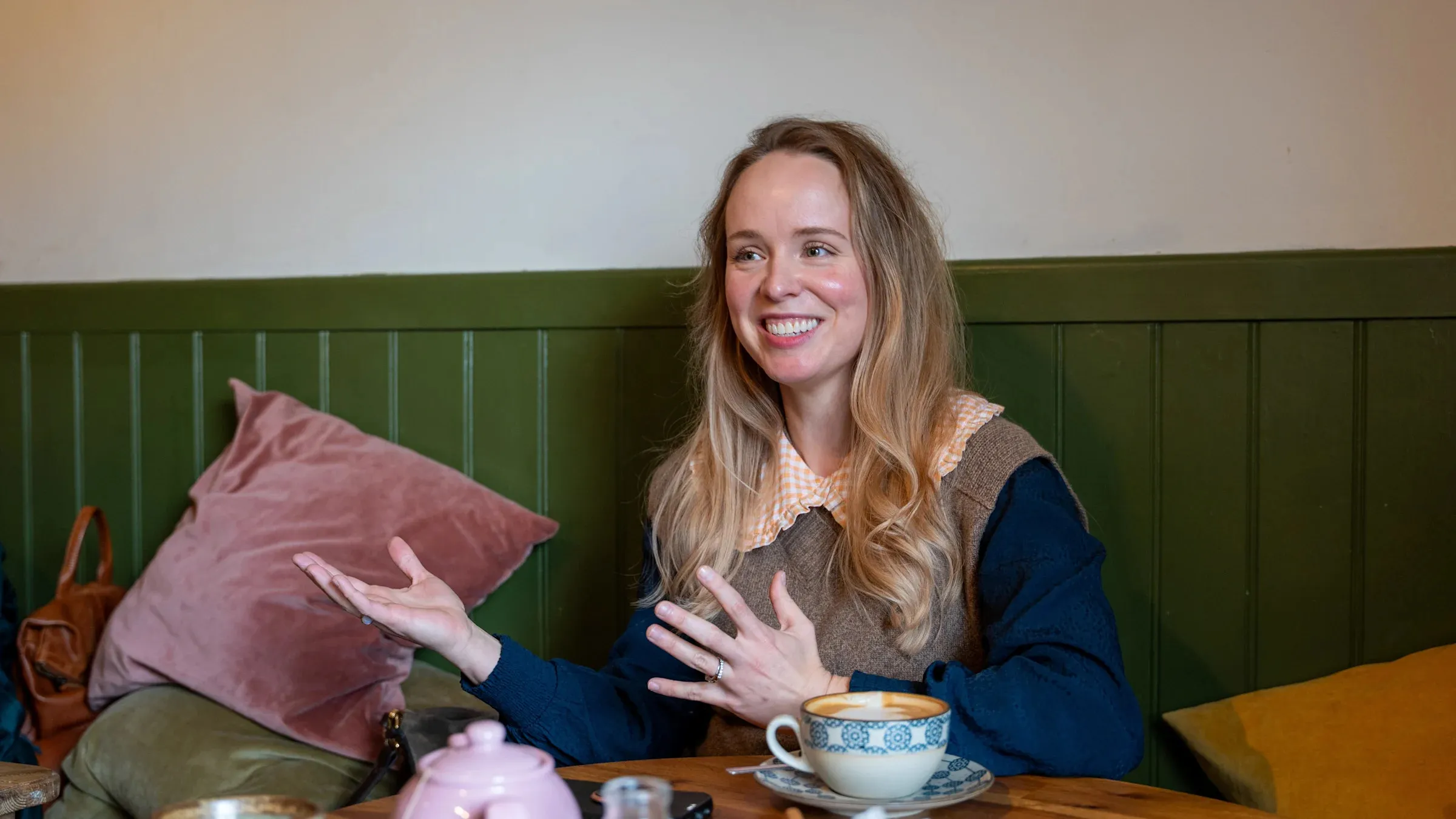
In a small coffee shop beneath low wooden beams, Audrey Ann Masur leans forward and speaks softly. "I always try to keep my voice down to avoid stereotypes," says the 37-year-old from Indiana, a nervous smile crossing her face as steam rises from her decaf coffee. We are in the Cotswolds, an 800-square-mile stretch of English countryside dotted with charming villages and historic towns.
Masur relocated from South Carolina five years ago when her husband received a new posting with the US military. Over time, she has noticed that her American accent draws attention from older locals, who sometimes probe her political opinions. As a result, she prefers to speak quietly.
Through her Instagram account, which has 13,700 followers, Masur shares glimpses of her life in the Cotswolds. She has observed firsthand how the arrival of wealthy Americans has altered the local scene. "More places now cater to certain socioeconomic groups," she notes.
High-profile visitors, including Taylor Swift, Eve Jobs, and JD Vance, have recently visited the region. Meanwhile, some Americans have decided to settle permanently, such as Ellen DeGeneres, who moved in 2024, and rumors swirl about Beyonc and Jay-Z seeking property. These trends reflect a broader boom in US tourism and relocation to the UK. In 2024, Americans made a record 5.6 million visits, spending 7.3 billion, up 1.1 billion from 2023. Inflation-adjusted spending per trip also rose by 68.
Interest in UK citizenship among Americans has surged, with 2,194 applications between April and June 2025, a 50% increase from the previous year. Many newcomers are drawn to the Cotswolds for its heritage properties, status, and cultural allure.
Not all residents welcome the changes. In Little Tew, 500 villagers opposed a large estate proposed by billionaire Ron Burkle, describing it as "grotesque." A parish vote in October rejected the plan, reflecting local resistance to sprawling developments by wealthy newcomers. Anthony Cripps, who chaired the meeting, expressed concerns that the house would be underused.
Cotswold District Council reports that second homes are straining the housing market. By April 2025, there were 1,597 second homes in the district, up 3.5% from the previous year. A 100% Council Tax Premium on furnished second homes funds local services and affordable housing, aiming to curb rural gentrification.
Paul Hodgkinson, a local councillor, emphasizes that the tension isnt solely about Americans but about wealth influx in general. Housing affordability is a growing concern: the average home costs 440,000, or 13.8 times the typical annual salary.
Some locals, however, see opportunity in the change. Alison Tighe, mayor of Stow-on-the-Wold, says that American investment brings jobs and improved services. Real estate agent Harry Gladwin notes that the influx has revitalized a previously quiet area, offering new amenities and lifestyle options.
The influence of American culture is visible in retail and leisure. Daylesford Organic and Bamford Spa cater to luxury tastes, while Burfords Bull hotel adjusts to American spending habits, including tipping culture. Local businesses like The Sweet Shop and Hugo Lovage Patisserie thrive on American clientele, drawn by traditional British confectionery and quaint village charm.
D'Ambrosi Fine Foods in Stow-on-the-Wold combines high-end British deli items with American favorites. Owner Jesse D'Ambrosi, a Massachusetts native, embraces the label "Hamptons of England," reflecting how the Cotswolds traditional character is increasingly shaped by wealthy newcomers with American preferences.
Outside the coffee shop, Masur gestures toward Stows high street. "Iced coffee is everywhere now, which I love but its clearly tied to more Americans visiting." Whether these transformations delight or unsettle locals, the Cotswolds is unmistakably changing under the influence of transatlantic money.
Author: Sophia Brooks
Share

Michael Dell to donate $250 to 25 million U.S. children for "Trump accounts"
3 days ago 1 min read ECONOMICS

ALDI Brings Back a Popular Product and It's Priced Under $10
3 days ago 2 min read ECONOMICS

No opposition recommended for the sixth energy storage project near the village
3 days ago 2 min read ECONOMICS

'Micro jobs' aiding individuals escape poverty - charitable organization
3 days ago 3 min read ECONOMICS
Homebuyer seeks guidance as unusual trend spreads across US housing market: 'What's going on?'
3 days ago 2 min read ECONOMICS

What comes next in the Amazon-Teamsters showdown?
3 days ago 3 min read ECONOMICS

Utilizing River Energy for Building Heating in New Project
3 days ago 2 min read ECONOMICS
Farmers warn of serious risk as staple crop becomes harder to grow: 'Production is in jeopardy'
3 days ago 3 min read ECONOMICS

From Biker Bars to Schools, Yondr Founder Sees Phone Pouches as 'Disrupting Impulses'
3 days ago 3 min read ECONOMICS

Sophie Rain from OnlyFans Contemplates if She Made More Money than LeBron James in 2025
3 days ago 2 min read ECONOMICS