

Children are missing out on a valuable opportunity for learning
- HOME
- ENTERTAINMENT
- Children are missing out on a valuable opportunity for learning
- Last update: 3 hours ago
- 5 min read
- 138 Views
- ENTERTAINMENT
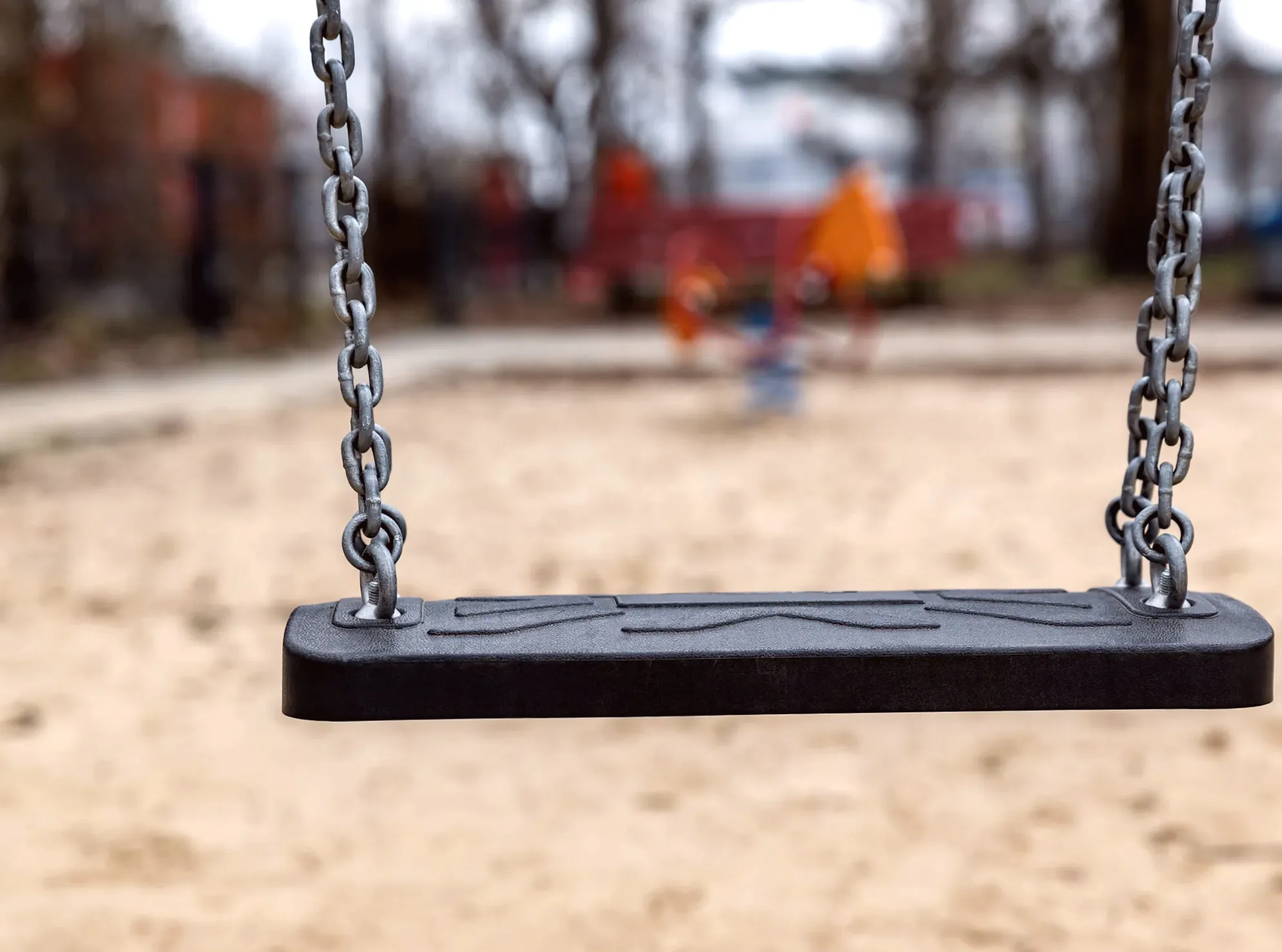
At around 10 a.m. across schools in the United States, children can be found engaging in various activities such as climbing jungle gyms, sliding down slides, playing games like tag or foursquare, or simply walking around, chatting with friends. However, these children are among the fortunate few. Experts agree that recess plays a crucial role in a child's development.
"When kids play, especially outside, they experience joy, connection, and a sense of belonging," says Elizabeth Cushing, CEO of Playworks, a non-profit organization. "These are the types of experiences we all want them to have." However, across the country, there are growing concerns that many children are spending their recess inside classrooms rather than outside, missing out on the benefits outdoor play provides.
In regions with extreme heat, such as the western states, children are often kept indoors during recess, as temperatures become unbearable. According to Allison Poulos, a professor at Arizona State University, her research found that in the hottest months of the year, children in Arizona were kept inside for recess 40% of the time. In colder regions, the reasons for staying indoors vary. "We've heard of principals not wanting kids to damage the playground," says Shane Garner, executive director of Lift Every Voice Philly, a parent advocacy group. "Some also cite lack of staffing or issues with students' interactions."
When recess is held indoors, children typically remain inactive, often watching a movie or engaging in other sedentary activities. Research shows that children who stay inside during recess are less prepared for learning when classes resume. A study from Arizona revealed that kids who played outside were more alert and engaged in subsequent lessons compared to those who remained indoors.
As a result, families nationwide are advocating for more outdoor time for their children. Researchers are also working on ways to ensure that kids can be active, either outdoors or indoors, regardless of weather conditions. Advocates stress that playtime is integral to children's cognitive and emotional growth. "Recess is vital for childrens development," says Poulos. "We need to take this seriously."
Recess provides more than just a break from academics; it's a time for children to practice crucial social and emotional skills. Through play, they learn how to collaborate, communicate, and resolve conflicts. They also learn how to regulate their emotions can they handle losing a game and keep playing? explains Rebecca London, a sociology professor at the University of California, Santa Cruz, who has studied the impact of recess.
For many children, recess is the only opportunity they get for unstructured play during the day, making it a critical part of their development. However, the importance of recess has been diminishing since the No Child Left Behind Act of 2001, which pushed schools to prioritize test preparation over free time. Between 2001 and 2019, weekly recess time decreased by 60 minutes to just 25 minutes per day in many schools.
While some states, such as California, have enacted laws mandating minimum recess time, these laws often do not specify that the time must be outdoors. Additionally, the increasing occurrence of extreme heat due to climate change has made it even harder for children to spend time outside. Many playgrounds lack sufficient tree coverage, and surfaces like blacktop can become dangerously hot. Wildfires and poor air quality also limit outdoor play, particularly in states like California.
In contrast, milder winters across much of the U.S. have led to more severe storms and sudden cold snaps, disrupting outdoor activities. In some areas, schools have specific temperature thresholds for outdoor recess, ranging from 10 to 35 degrees Fahrenheit. Even when temperatures are mild, some parents have raised concerns that kids are still not allowed outside. "There are always excuses, whether its bad weather or the kids not having the right clothes," one mother shared during a school board meeting in Worcester, Massachusetts.
One of the challenges schools face in providing outdoor recess is a shortage of trained staff. "Recess monitors are some of the lowest-paid employees in the school district," says Garner. "Without proper training in conflict resolution and play facilitation, recess can turn chaotic, leading to children staying inside." This reflects a broader issue of schools undervaluing play and children's autonomy, she adds. Kids are often treated like they need to be managed, not allowed to play freely.
Indoor recess, while an alternative, doesn't offer the same benefits as outdoor play. Most elementary schools don't have gyms, and when recess is held in classrooms, children miss out on physical activity, social interaction, and the ability to choose what activities they engage in. "Indoor recess is not the same as outdoor recess," says London.
Children in lower-income and predominantly non-white areas often face greater challenges in accessing outdoor recess. A 2019 investigation in Seattle revealed stark disparities, noting that "white children typically get more recess, while Black children get less." Efforts are underway to address these inequities and make outdoor or active recess available to all children. Some schools in colder regions have installed shelters to protect children from rain, and in hotter areas, initiatives like planting trees on playgrounds are being explored. Other schools are replacing blacktop with native plants or alternative ground cover to provide more comfortable play areas.
When recess must be indoors, giving children some flexibility, such as allowing them to move between designated classrooms for different activities, can help maintain some of the benefits of outdoor play. Training recess monitors to resolve conflicts effectively, even through simple methods like "rock, paper, scissors," can also reduce tensions and improve the experience for everyone.
Ultimately, when school leaders recognize the positive impact of well-run recess on students overall readiness to learn, they are more likely to prioritize it, even if weather conditions are less than ideal. Policy changes at the district level, such as those advocated by Lift Every Voice in Philadelphia, aim to eliminate practices that harm childrens access to recess. "Kids are kids, and they should be treated like human beings, not robots," says Garner.
Author: Jackson Miller
Share

Glen Powell & Michelle Randolph's Relationship Is 'Very Fresh' — Source
1 hours ago 2 min read ENTERTAINMENT

'Don Lemon Seeks Revenge on Kathy Griffin for New Year's Eve Show' — Source
1 hours ago 4 min read ENTERTAINMENT

Will Smith and Jada Pinkett Smith Remain a Strong Team despite $3M Lawsuit: 'They Maintain Deep Respect' (Exclusive Source)
1 hours ago 2 min read ENTERTAINMENT

Sabrina Carpenter Moves on from Disney Fame Amid NSFW Lyrics Backlash
1 hours ago 2 min read ENTERTAINMENT

Ex-WWE Star Hornswoggle Shares Insights on Therapy Benefits
1 hours ago 3 min read ENTERTAINMENT

A$AP Rocky Describes Mutual Inspiration with Rihanna
1 hours ago 2 min read ENTERTAINMENT

Country Ever After Star Criscilla Anderson Passes Away at the Age of 45
1 hours ago 2 min read ENTERTAINMENT

Meghan Markle contacts her estranged father following his emergency leg amputation
1 hours ago 3 min read ENTERTAINMENT

Bianca Censori's Race in Dermatology Interrupted by Kanye West's New 'Rules' Resulting in Chaos
1 hours ago 4 min read ENTERTAINMENT
'Motor Neuron Disease claimed our son at 14 - it can affect anyone at any age'
1 hours ago 3 min read ENTERTAINMENT