

How the most challenging sequence in "Wicked: For Good," 'The Girl in the Bubble,' became the most impactful
- HOME
- ENTERTAINMENT
- How the most challenging sequence in "Wicked: For Good," 'The Girl in the Bubble,' became the most impactful
- Last update: 17 hours ago
- 3 min read
- 572 Views
- ENTERTAINMENT
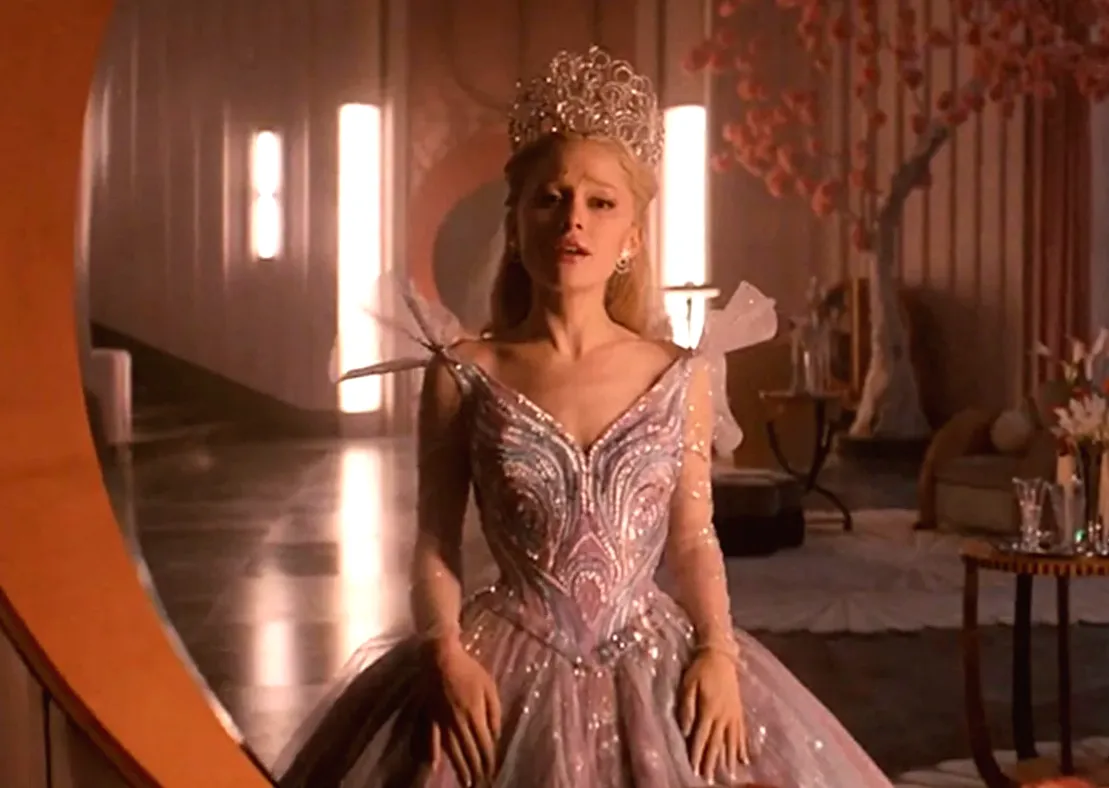
The cinematographer of Wicked: For Good has shared the intricate process behind filming the mirror-filled musical sequence, "The Girl in the Bubble." This number is one of two original songs composed for the movie by Stephen Schwartz, performed by Ariana Grande as Glinda, exploring her self-reflection and growth.
Alice Brooks, the film's director of photography, described the scene as the most complex challenge in both the current and previous installments. The sequence follows Glinda through her two-level suite, confronting her privilege and role in the events of Oz, while preparing to challenge the Wizard and Madame Morrible's treatment of Elphaba.
Although the scene appears to be a single continuous take, it was actually a combination of five meticulously planned shots, each capturing Glindas reflection from different angles: the stairs, ceiling, and the back of her closet. Director Jon M. Chu originally envisioned a simpler setup with Glinda singing to a single mirror, but the team evolved the concept into a more dynamic oner that allowed the character to move through multiple reflections.
Brooks and Chu drew inspiration from classic mirror sequences in films like Peggy Sue Got Married and Contact. They also adhered to strict instructions from Grande and co-star Cynthia Erivo to avoid body doubles, requiring Brooks to strategize so Grande would appear in every frame.
To rehearse the complex choreography, Brooks used everyday household items to map out camera and actor movements, including a shaving mirror, bath toys, and fruits as stand-ins for mirrors and staircases. The goal was to create the illusion of the camera seamlessly passing through mirrors, transforming reflections into new perspectives.
The production required extensive coordination, including a 45-foot crane, ceiling adjustments, wall removals, and precise shot tracking. A color-coded storyboard helped the team navigate between reflections, ensuring continuity despite Grandes facial asymmetry. Visual effects supervisor Pablo Helman contributed calculations to make the reflections mathematically accurate.
The performance allowed for some flexibility in pacing. Lighting cues and camera movements were adjusted live according to Grandes timing, creating a dynamic, responsive shooting environment. Even after principal filming, the scene evolved: a flashback featuring a younger Glinda was added, enhancing the narrative without altering the original vision.
Brooks also highlighted the unique interplay between cinematography and sound. For a sequence, the removal of musical score altered the perceived brightness, which she then adjusted during color grading to complement the quiet, reflective tone.
For Brooks, what began as the most daunting scene became one of the most fulfilling. Unlike other sequences, she could watch it without focusing on technical details, instead feeling immersed in Glindas introspection. She reflected on how the scene prompts viewers to consider their own self-awareness and personal growth.
Brooks emphasized her love for musicals, describing each camera movement, lens choice, and lighting cue as a musical note that contributes to storytelling. The sequence demonstrates how creative collaboration can transform technical complexity into a powerful, emotionally resonant cinematic experience.
Author: Logan Reeves
Share
Adam Sandler and Ariana Grande Open Up about Secrets of 'Wicked: For Good', Emotional Moments, and Their Love for 'The Waterboy'
23 hours ago 3 min read ENTERTAINMENT
Santa Barbara Film Festival Honors Cynthia Erivo from 'Wicked: For Good' with Kirk Douglas Award, Expresses Love for Her Job
1 days ago 3 min read ENTERTAINMENT

‘Wicked: For Good’ Surpasses $400M In Global Box Office Revenue
1 days ago 1 min read BUSINESS
Designer Paul Tazewell defends Elphaba's 'sexy cardigan' in 'Wicked: For Good'
2 days ago 2 min read ENTERTAINMENT
Ariana Grande Assisted Other Celebrities with Auditions for Glinda in “Wicked”, Reveals Vocal Coach Eric Vetro (Exclusive)
2 days ago 2 min read ENTERTAINMENT

Jon M. Chu Signs First-Look Agreement With Paramount
2 days ago 2 min read ENTERTAINMENT

SZA denounces online bullying of Cynthia Erivo during 'Wicked' rollout as 'classic misogynoir'
4 days ago 2 min read MUSIC
"Wicked For Good" Sparks Niche Fandom Wars Over Continuity with Original "The Wizard of Oz"
5 days ago 2 min read MOVIES
Gregory Maguire, Author of 'Wicked', to Publish Prequel Book About Galinda in 2026
5 days ago 2 min read BOOKS
Decoding the Easter Eggs Found in Wicked: For Good
5 days ago 3 min read MOVIES