

Memories of family, exile, and life in the spotlight from Iran's famous singer Googoosh
- HOME
- ENTERTAINMENT
- Memories of family, exile, and life in the spotlight from Iran's famous singer Googoosh
- Last update: 1 days ago
- 3 min read
- 117 Views
- ENTERTAINMENT
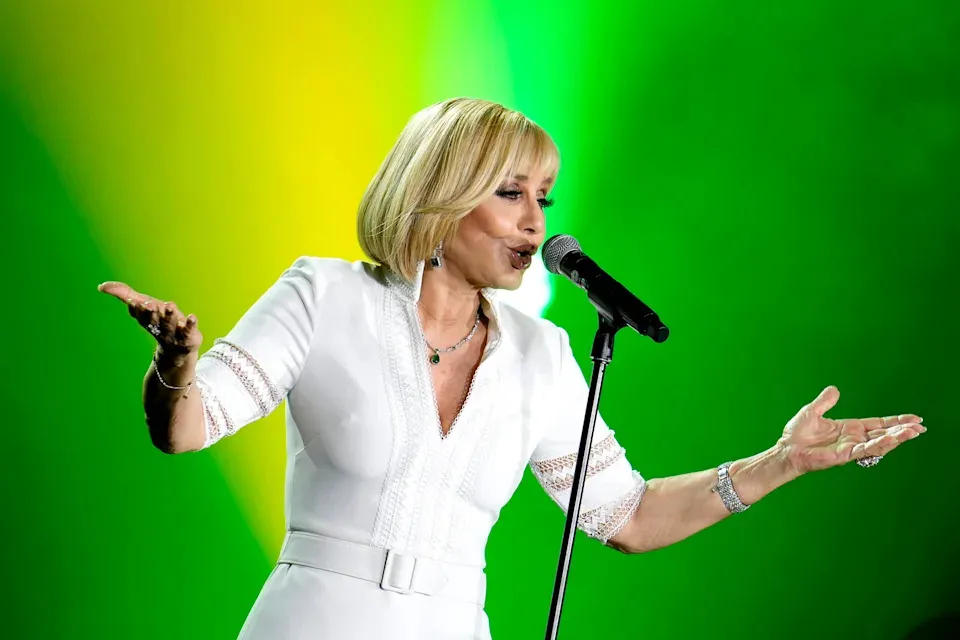
DUBAI, United Arab Emirates For Googoosh, one of Irans most celebrated singers, life has always been a delicate balancing act. Her journey began in childhood, performing alongside her acrobat father, who once balanced her on a chair stacked atop another, resting only on his chin. Later, as a cultural icon during the final years of the Shah, her hairstyles and fashion became a trend among Iranian women, inspiring the term Googooshi. Following the 1979 Islamic Revolution, she was banned from performing in Iran, only returning to the stage abroad in 2000. Today, as she embarks on a farewell tour, Googoosh has also embraced authorship, chronicling her experiences amid Irans ongoing societal shifts.
I never thought of my life as a balancing act until someone described it that way, the 75-year-old singer said. If thats what it means, then yes, I have spent my life juggling my personal and artistic worlds.
Early Performances and Rise to Fame
Her memoir, Googoosh: A Sinful Voice, co-written with Tara Dehlavi, details her life under the weight of political upheaval and personal challenges. It begins with her early performances with her father, Saber Atashin, to whom the book is dedicated, along with the people of Iran. Recalling one tense performance atop a chair, she said, Every muscle in my body tensed. Seconds felt like an eternity. When my feet touched the floor, the audience erupted in applause. We were a hit!
Googoosh began singing and acting in films at a young age, performing before the Shahs royal court. Before the revolution, she was a fixture in Iranian tabloids, and her personal life, including four marriages, drew public fascination. In her book, she candidly discusses abortions, struggles with substance abuseincluding cocaine and opiumand even contemplating suicide in New York City before returning to Iran under the new theocracy.
Harassment and Exile
Returning to Iran, she faced harassment from the new regime, which blocked her from obtaining a passport and prevented her from performing. Authorities at one point imprisoned her. Yet, despite these restrictions, people encouraged her to continue singing. After the revolution, the pressure on me grew, Googoosh said. Since Farsi is my mother tongue, I could not adjust to living outside my country. I hoped I could somehow continue performing for my own people.
In 2000, under reformist President Mohammad Khatami, she secured a contract to perform abroad, settled her legal issues, obtained a passport, and left Iran. Since then, she has performed internationally for Iranian audiences yearning for a connection to home. Her work, particularly a 2014 music video celebrating same-sex love, has drawn condemnation from hardliners in Iran.
Legacy Amid Change
Googooshs memoir and farewell tour arrive during a period of change in Iran, as more women forgo the mandatory hijab and protests following Mahsa Aminis 2022 death galvanized the nation. Despite ongoing economic strain and political repression, she observes hope in the youth. We are seeing our young people, especially women, fight for basic rights, freedom of expression, and the chance to live normal lives, she said. They must break this cycle and gain the freedoms every human deserves.
Looking Forward
Asked about life after her tour, Googoosh remained open-ended. I have rarely been able to plan my future. Life has simply happened to me. We have not controlled our own lives for decades, and I expect to continue this way, she said. She hinted that her artistic return may depend on political change in her homeland, adding, I prefer to resume my artistic work when the Islamic Republic no longer exists in my country.
Author: Logan Reeves