

New Approach to Cervical Cancer Screening: Self-Testing for HPV is Now Available
- HOME
- ENTERTAINMENT
- New Approach to Cervical Cancer Screening: Self-Testing for HPV is Now Available
- Last update: 5 hours ago
- 3 min read
- 146 Views
- ENTERTAINMENT
The American Cancer Society (ACS) has announced that self-collected vaginal samples are now an acceptable method for cervical cancer screening, though clinician-collected specimens remain the preferred option. These revised guidelines were released on December 4 and introduce key updates on self-collection tools for HPV (human papillomavirus) testing, as well as guidance on when screening can be safely discontinued.
The move comes after the FDA approved at-home HPV self-testing in May. One such device, the Teal Wand, allows individuals to collect a vaginal sample at home using a sterile swab ball, which is then tested for HPV.
These new guidelines are expected to increase participation in screening programs and lower the risk of cervical cancer, said Dr. Robert Smith, senior vice president for early cancer detection science at ACS.
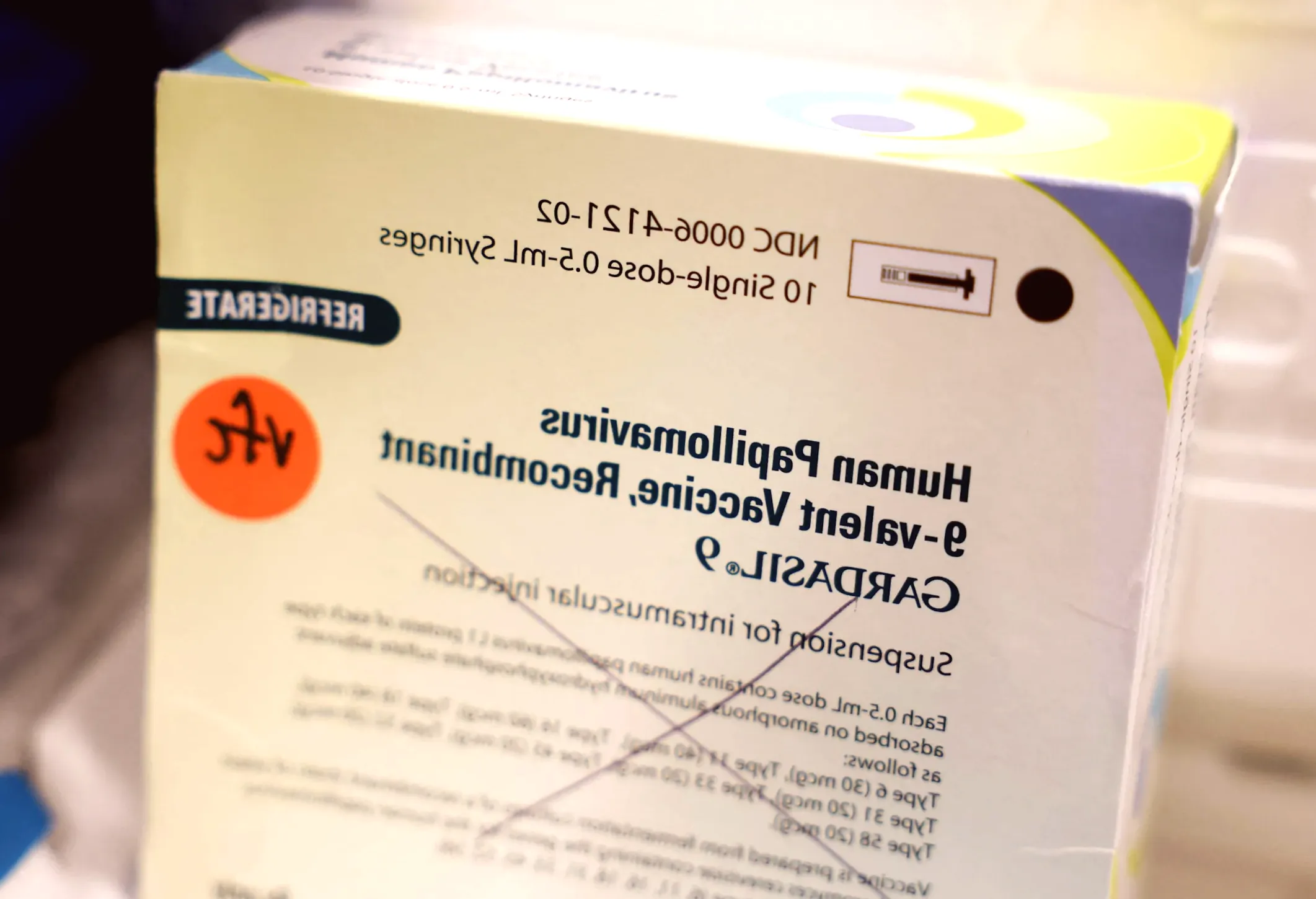
The updated recommendations are published in CA: A Cancer Journal for Clinicians, ACSs flagship journal. Research shows that persistent infection with specific HPV strains causes nearly all cervical cancers. HPV is the most prevalent sexually transmitted infection, but it is preventable with the Gardasil-9 vaccine, which has significantly reduced cancer rates.
ACS recommends that individuals with a cervix at average risk begin screening at age 25 and undergo primary HPV testing every five years until age 65. Despite successful screening programs, 13,360 new cervical cancer cases and 4,320 deaths are expected in the U.S. this year.
Key Changes to Screening Guidelines
- Clinician-collected cervical specimens: test every five years.
- Self-collected vaginal specimens: test every three years.
- Screening may stop after negative primary HPV tests or co-testing (HPV plus Pap) at ages 60 and 65.
- If primary HPV testing is unavailable, three consecutive negative Pap tests every three years, with the last at age 65, are acceptable before discontinuing screening.
These guidelines are intended for individuals aged 25 to 65 and do not apply to women over 65 who have followed the recommendations, or those who have had a hysterectomy unless there is a history of high-grade precancerous lesions.
Addressing Disparities in Cervical Cancer Screening
Despite progress in reducing cervical cancer, geographic and socioeconomic disparities persist. People in rural areas are more likely to be diagnosed at later stages, with mortality rates 42% higher than in urban regions, according to a 2025 JAMA study. Self-collection methods can help overcome these barriers.
Over 46 million Americans live in rural areas where traveling long distances for healthcare is often required, said Lisa Lacasse, president of ACS CAN. Self-collection is an essential tool for these communities and other underserved populations.
The guidelines also provide a patient-focused resource answering questions about cervical cancer symptoms, prevention, and treatment, marking a significant step toward broader access and equity in cancer care.
Author: Olivia Parker
Share

Glen Powell & Michelle Randolph's Relationship Is 'Very Fresh' — Source
2 hours ago 2 min read ENTERTAINMENT

'Don Lemon Seeks Revenge on Kathy Griffin for New Year's Eve Show' — Source
2 hours ago 4 min read ENTERTAINMENT

Will Smith and Jada Pinkett Smith Remain a Strong Team despite $3M Lawsuit: 'They Maintain Deep Respect' (Exclusive Source)
2 hours ago 2 min read ENTERTAINMENT

Sabrina Carpenter Moves on from Disney Fame Amid NSFW Lyrics Backlash
2 hours ago 2 min read ENTERTAINMENT

Ex-WWE Star Hornswoggle Shares Insights on Therapy Benefits
2 hours ago 3 min read ENTERTAINMENT

A$AP Rocky Describes Mutual Inspiration with Rihanna
2 hours ago 2 min read ENTERTAINMENT

Country Ever After Star Criscilla Anderson Passes Away at the Age of 45
2 hours ago 2 min read ENTERTAINMENT

Meghan Markle contacts her estranged father following his emergency leg amputation
2 hours ago 3 min read ENTERTAINMENT

Bianca Censori's Race in Dermatology Interrupted by Kanye West's New 'Rules' Resulting in Chaos
2 hours ago 4 min read ENTERTAINMENT
'Motor Neuron Disease claimed our son at 14 - it can affect anyone at any age'
2 hours ago 3 min read ENTERTAINMENT