

8 Tips for Recharging After the Holidays, Recommended by Therapists
- Last update: 4 days ago
- 4 min read
- 43 Views
- HEALTH
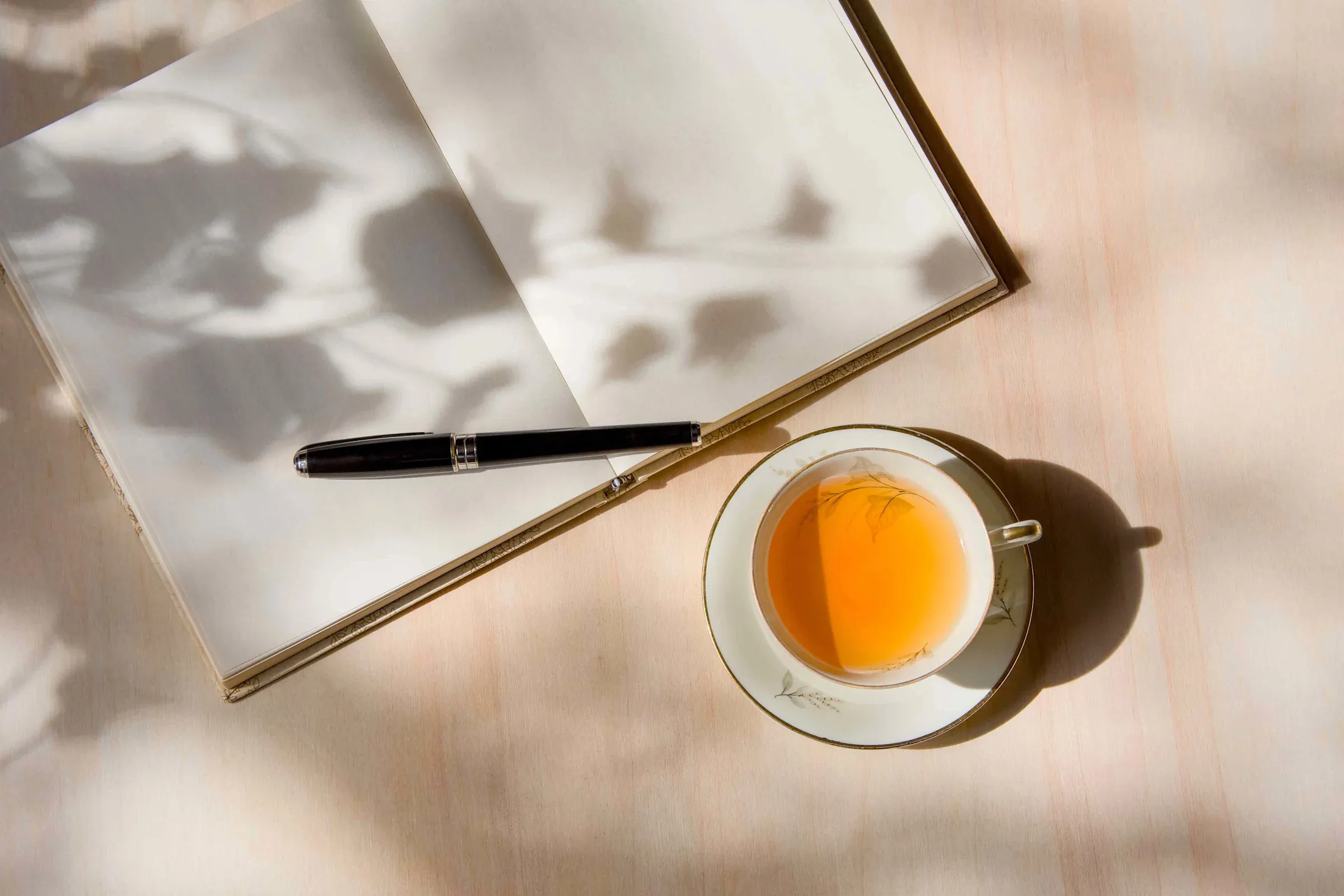
The period from mid-November to early January is often packed with festive events, travel, and disrupted daily routines, creating more social energy than most of us typically use throughout the year. While the season is meant to be enjoyable, its fast pace can leave many feeling overstimulated.
Mental health specialists share practical, small adjustments that can help your nervous system reset and make the transition from holiday chaos to regular life smoother. Their advice aims to help you enter the new year feeling calmer, steadier, and more grounded.
Why the Holidays Can Be Stressful
Katie Carhart, PhD, a licensed clinical psychologist and founder of Align and Empower Therapy, explains that multiple factors contribute to holiday stress. The end of the year naturally prompts reflection on how the past twelve months went, she says. Coupled with holidays, which often carry high expectations, this can feel overwhelming. Many of us try to recreate the magic of childhood holidays, yet now we are the ones responsible for creating that magic, which adds pressure.
Her advice: be realistic about holiday experiences. If you often feel disappointed, it may be due to high expectations. Recognize that the holidays bring mixed emotionsnostalgia, sadness, joy, and more. All these feelings are valid and normal.
Maintaining Balance Amid Family Gatherings
Extended family time can be both joyful and taxing. Coordinating with multiple people can lead to neglecting your own self-care. Remember to eat well, stay hydrated, sleep enough, and move your body, Carhart emphasizes. Amid all the holiday activities, your physical well-being shouldnt be neglected.
Regulating Your Nervous System
Djuan D. Short, LCSW, a licensed trauma-informed therapist and founder of the Dahlia Rose Wellness Center, recommends a simple breathing exercise: the 46 Breath. Inhale for four counts, exhale for six, repeated ten times. It stimulates the vagus nerve and calms the body. Remember: your breath affects your emotions, and your emotions affect your breath.
Short also highlights mindfulness. Observing your thoughts without judgment, even for a few minutes, reconnects you to yourself. You are not your thoughts and emotionsyou can change them.
Processing Emotions
Carhart stresses that acknowledging feelings is important. Emotions provide insight into what matters to you. If you feel sadness or wistfulness, consider ways to incorporate meaningful experiences into your post-holiday routine.
She suggests using emotions as guidance rather than judging them. Grief for loved ones, or frustration and overwhelm, can be managed by honoring the feelings and evaluating what needs adjustment to prevent burnout and resentment.
Short encourages a focus on intentions instead of strict resolutions. Choose a guiding feelinglike ease or joyand let your post-holiday decisions support that state. Be aware of your thoughts and words, and allow flexibility in your plans.
Setting Boundaries
Once emotions are steady, setting healthy boundaries becomes easier. Carhart advises prioritizing what matters to you. Short adds, Consciously release what isnt yours to carry, whether through quiet reflection, prayer, or personal rituals.
Physical boundaries are also essential. Clearly communicate limits and maintain them consistently.
Journaling and Self-Reflection
Journaling is a powerful tool for recovery. Short recommends prompts like: Where did I abandon myself last month? or What do I need more of this week? Writing helps uncover subconscious patterns and restores a sense of control after weeks of emotional demands.
Gentle Movement and Micro-Breaks
After a busy season, slow, mindful movement can relieve stored tension. Restorative yoga, gentle stretching, and breathwork can release stress held in the shoulders, jaw, and gut, Short notes.
Small, intentional breaks are equally important. Even ten minutes without screens or tasks several times a day helps reset focus and lower stress hormones. These pauses are vital, she concludes.
By incorporating these strategies, the transition from holiday intensity to regular life can become smoother, calmer, and more balanced.
Author: Sophia Brooks
Share

Study finds bird flu gene enhances its ability to survive human fever defences
1 hours ago 4 min read HEALTH

Many lifters are making painful mistakes with the seemingly simple front rack position
1 hours ago 2 min read HEALTH

Singing along improves lung health and supports a charitable cause
4 hours ago 2 min read HEALTH

CDC Changes Hepatitis B Vaccine Recommendation for Children Despite Opposition from Academy of Pediatrics
4 hours ago 2 min read HEALTH

CDC Panel Votes Against Recommending Hepatitis B Vaccine for Newborns, Experts Warn of Impact on Children’s Health
9 hours ago 4 min read HEALTH

Experiencing stress in life is not a disease - GPs discuss mental health over-diagnosis
11 hours ago 4 min read HEALTH
New Study Suggests that Lack of Common Nutrient Could Increase Your Risk of Alzheimer's
11 hours ago 4 min read HEALTH

Dietitians Recommend the Top High-Protein Bread for Your Diet
12 hours ago 3 min read HEALTH

Outbreak of Legionnaires' disease in Florida possibly connected to gym with 14 reported cases
12 hours ago 2 min read HEALTH

Yes, You Have the Ability to Create Your Own Lifting Routine—This Simple Formula Makes it Easy
12 hours ago 3 min read HEALTH