

Experts Recommend 7 Weekly Activities for Building Stronger Bones
- Last update: 3 days ago
- 3 min read
- 35 Views
- HEALTH
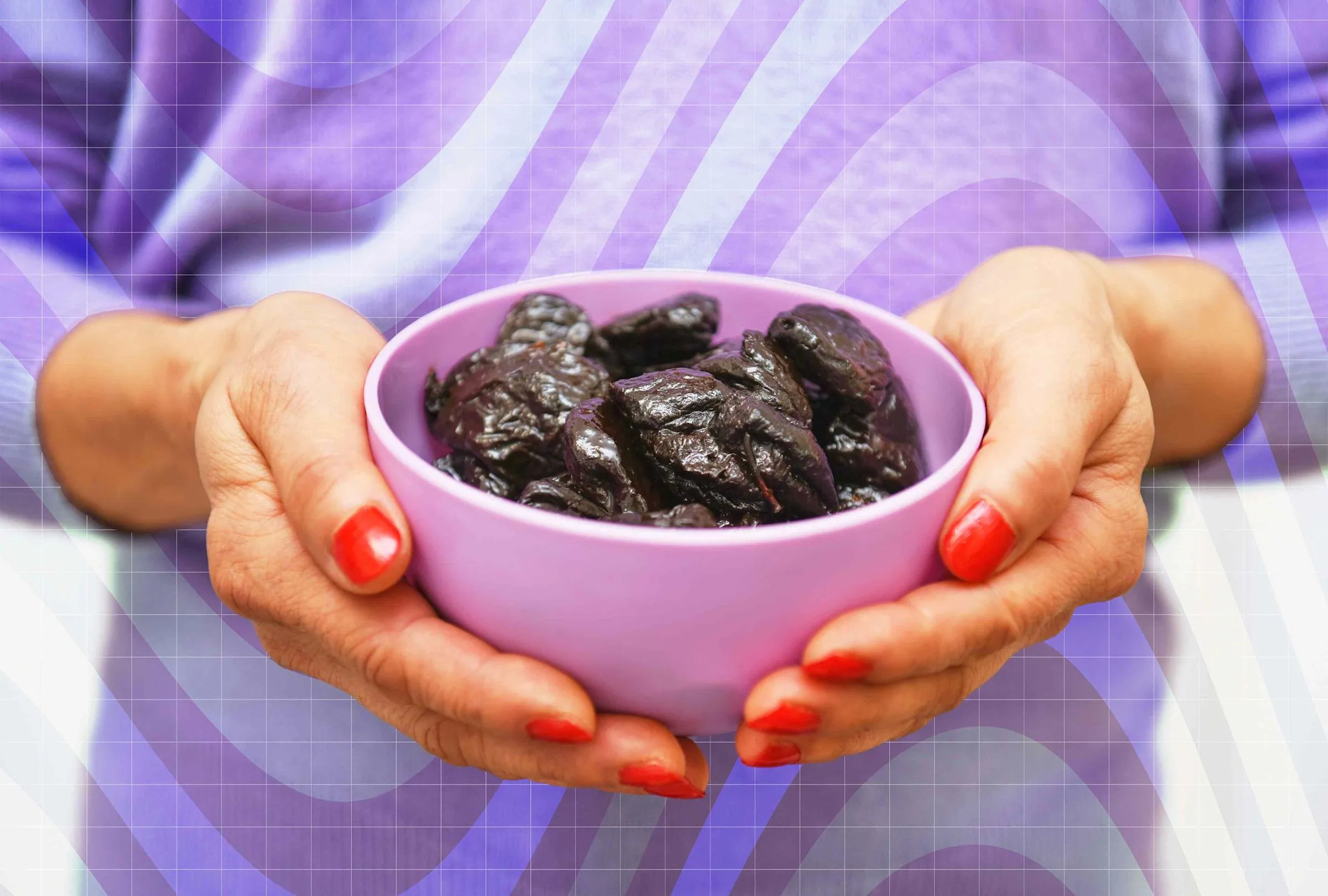
Bones are dynamic tissues that grow stronger with consistent activity, balanced nutrition, adequate rest, and proper care. Engaging in weight-bearing exercises, consuming sufficient protein, calcium, vitamin D, and other key nutrients all contribute to maintaining bone strength. Incorporating small, regular routineslike mindful movement and prioritizing recoverycan support bone health throughout life.
Contrary to popular belief, bones are not staticthey constantly regenerate and require consistent care. As we age, particularly past midlife, keeping bones strong becomes increasingly critical. Fragile bones elevate the risk of fractures and can limit mobility, and sensations of stiffness or discomfort in joints may indicate a need for improved support through movement, nutrition, or rest.
Peak bone mass is typically reached around age 30, making early-life nutrition and physical activity foundational for long-term bone health. Strong bones are not just about avoiding osteoporosistheyre essential for maintaining resilience, mobility, and vitality well into older age. A combination of diet, exercise, sleep, and daily habits profoundly affects how solid and healthy our bones remain over time. While osteoporosis affects more women than men, everyone benefits from strategies that enhance bone strength and stability.
1. Movement as Medicine
Regular physical activity is crucial for bone protection. Incorporate resistance training at least twice a week and include impact-based exercises if suitable. Simple actions like taking the stairs or carrying groceries also count. Low-impact, weight-bearing exercises such as brisk walking, stair climbing, or marching help bones remain strong, even if high-impact workouts arent possible.
Muscle-strengthening exercises are equally important. Working muscles against resistance, using bodyweight, bands, or weights, stimulates bone strength. Strong muscles support bones by exerting beneficial stress on them. Performing activities that safely challenge muscleslike weight-lifting classes or progressively heavier exercisesalso fortifies bones.
2. Prioritize Nutrients
Calcium is well-known for bone support, but other nutrients are essential. Protein, magnesium, and vitamin K contribute to bone formation and maintenance. Protein helps build bone cells and maintain muscle, while vitamin K assists in activating bone cell production. Soy isoflavones may slow bone loss after menopause.
Vitamin D enhances calcium absorption, making it crucial for bone health. While supplements can help, combining them with calcium- and vitamin D-rich foodslike dairy, fortified plant milks, tofu, canned salmon with bones, and leafy greensyields the best results. Even prunes, due to their polyphenols and boron content, may help preserve bone density.
Limiting sodium intake protects bone mineral density, while flavorful herbs, spices, vinegars, and citrus can reduce the need for excess salt. Short daily sun exposure, vitamin D-rich foods, and modest supplementation together help maintain optimal levels.
3. Rest and Recovery
Sleep and recovery are essential for bone repair and overall health. Hormones, particularly estrogen, play a key role in bone density, with declines around menopause impacting bone maintenance. Lifestyle strategiesincluding regular exercise, a balanced diet rich in plant nutrients, adequate protein, calcium, and vitamin Dhelp reduce bone loss, though they cannot fully replace hormonal support.
4. Consistency Over Perfection
Strong bones develop over time through consistent care. Weekly check-ins on movement, nutrition, and rest help maintain focus on bone health. Small, steady actionslike consuming calcium-rich foods, staying active, and getting sunlighthave a greater cumulative effect than occasional efforts. Bone health benefits everyone, and habits formed early in life help sustain strength and mobility throughout aging.
Investing in bone health every week through mindful movement, balanced nutrition, and rest strengthens your body for life. Bones remain capable of getting stronger at any age when given the right support.
Author: Sophia Brooks
Share

CDC Panel Votes Against Recommending Hepatitis B Vaccine for Newborns, Experts Warn of Impact on Children’s Health
3 hours ago 4 min read HEALTH

Experiencing stress in life is not a disease - GPs discuss mental health over-diagnosis
5 hours ago 4 min read HEALTH

New Study Suggests that Lack of Common Nutrient Could Increase Your Risk of Alzheimer's
5 hours ago 4 min read HEALTH

Dietitians Recommend the Top High-Protein Bread for Your Diet
6 hours ago 3 min read HEALTH

Outbreak of Legionnaires' disease in Florida possibly connected to gym with 14 reported cases
6 hours ago 2 min read HEALTH

Yes, You Have the Ability to Create Your Own Lifting Routine—This Simple Formula Makes it Easy
6 hours ago 3 min read HEALTH

Experts say maintaining this nightly habit could help reduce your blood pressure
7 hours ago 3 min read HEALTH

Study in France Shows Decrease in Severe COVID Cases with mRNA COVID-19 Vaccines and No Rise in Deaths
7 hours ago 2 min read HEALTH

Cassidy urges CDC director to refuse hepatitis B recommendations from vaccine panel
10 hours ago 2 min read HEALTH

6 warning signs that indicate your teenager's diet needs to be revamped
10 hours ago 3 min read HEALTH