

General practitioners acknowledge feeling pressured to overdiagnose mental health problems
- Last update: 1 hours ago
- 2 min read
- 344 Views
- HEALTH
Doctors in the UK have acknowledged feeling pressured to label patients with mental health issues even when the symptoms may not fully meet clinical criteria. Dr Adrian Hayter, medical director at the Royal College of General Practitioners, told the BBC that physicians often experience external pressure to make diagnoses that may not be entirely justified.
When asked if doctors feel compelled to expedite consultations to accommodate patients with more severe conditions, Dr Hayter confirmed, Yes, absolutely.
A recent BBC survey of 752 GPs found that over half are worried that mental health conditions are being diagnosed too readily. One anonymous doctor noted, Stressful life experiences are not illnesses.
Dr Hayter explained that identifying low mood can be a slow and intricate process. He described a case involving a young patient with multiple potential conditions where reaching an accurate diagnosis took several weeks. He emphasized that proper evaluation is complex and requires time to ensure correct outcomes.
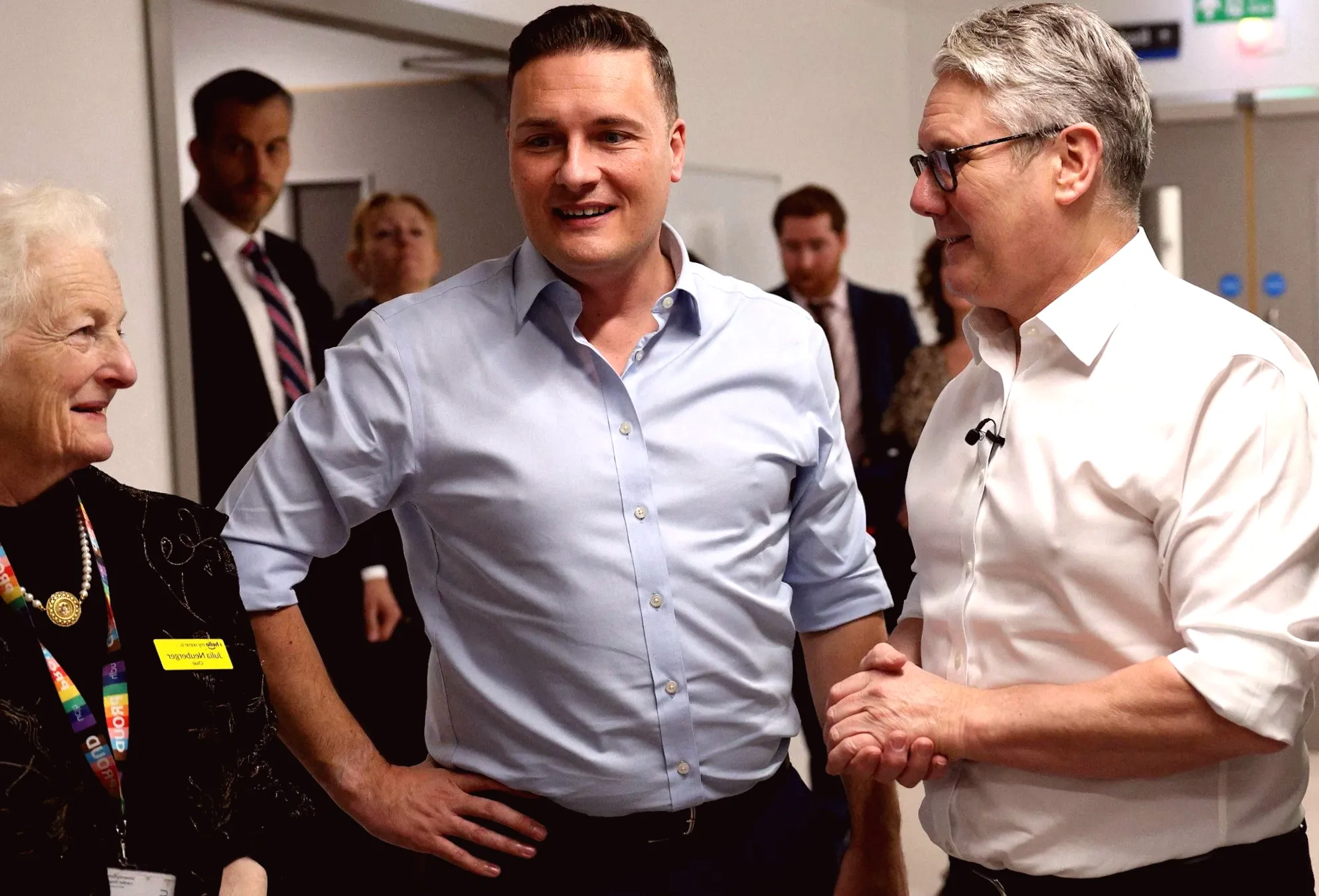
The comments come amid a review ordered by Health Secretary Wes Streeting into the rising demand for mental health, ADHD, and autism services in England. The review aims to help manage the growing welfare budget, projected to reach 100 billion by 2030 without reform.
Mr Streeting has adjusted his stance on overdiagnosis, acknowledging that his previous statements were oversimplified and divisive. He now stresses the need for stronger evidence to understand the rising mental health diagnoses, noting that adult mental health issues increased by nearly 50% between 1993 and 2023, while referrals for children and young people jumped by 50% in just two years during the pandemic. Autism assessment waiting lists have grown thirteenfold since 2019.
Doctors contributing to the BBC survey highlighted concerns about the medicalization of normal stress. Many commented that common emotional struggles such as grief or heartbreak are being treated as disorders, diverting attention and resources from patients with severe conditions.
Some GPs criticized patients who they feel exploit the system, describing them as dishonest or manipulating free healthcare services. Meanwhile, Sir Keir Starmer outlined welfare reforms aimed at preventing young people from being excluded from the workforce. Currently, 4.4 million working-age individuals claim disability or incapacity benefits, an increase of 1.2 million since before the pandemic, with most new assessments involving mental health conditions.
Author: Natalie Monroe