

Nowadays, being attractive is a job necessity
- Last update: 5 days ago
- 4 min read
- 15 Views
- HEALTH
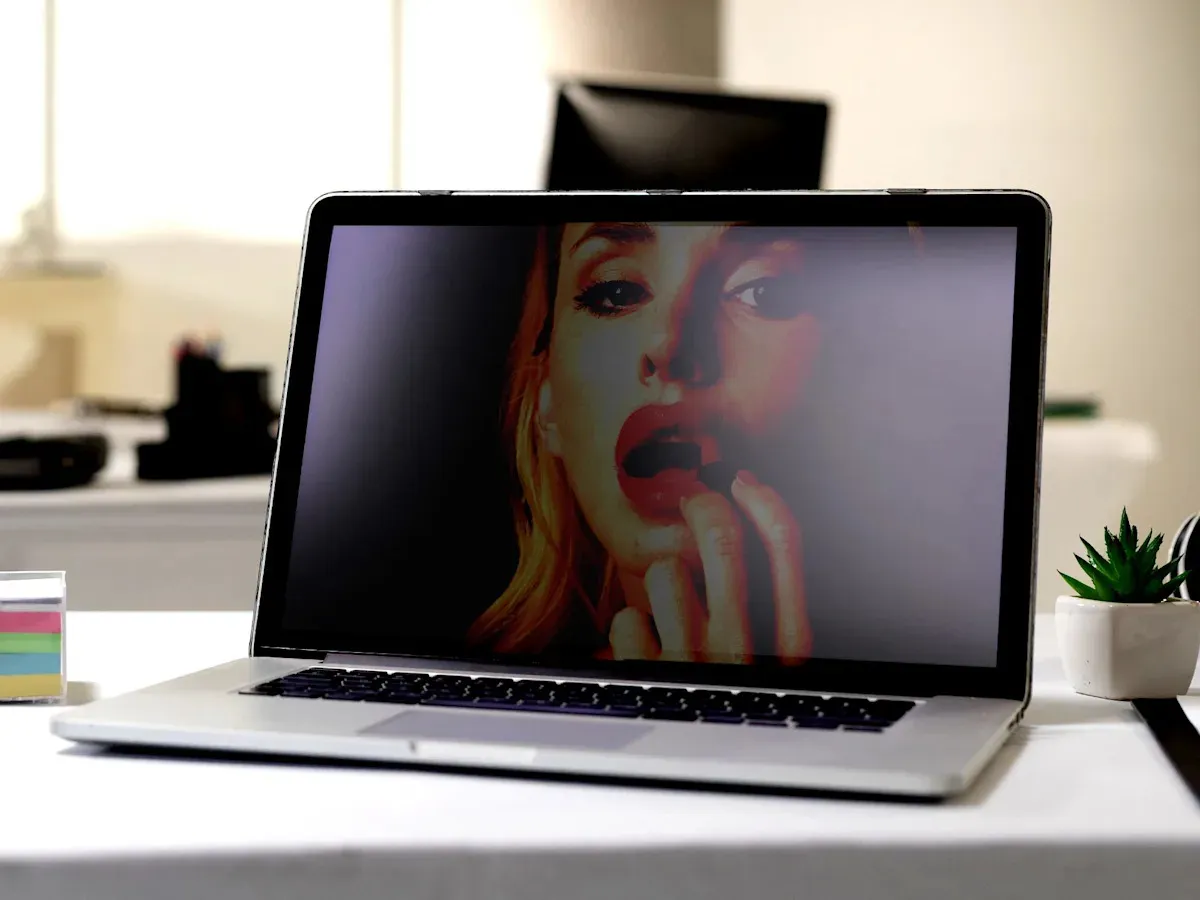
Emily Reynolds, 44, leads a PR firm and feels the constant pressure to maintain a youthful appearance. She often passes for younger than her age, which is intentional. Reynolds has explored Botox, fillers, laser and hydrofacials, invests heavily in premium skincare, and follows rigorous fitness routines like Peloton workouts and Barry's Bootcamp sessions. She navigates a fine line between appearing experienced enough to lead and mentor, and young enough to stay relevant.
Despite critiquing societal beauty standards, Reynolds worries about the impact on her career if she stops her beauty routines or ages visibly. "How long will I be seen as attractive?" she asks. "And when I'm not, what happens professionally? I think about that every day."
Discussing appearance at work is often taboo, yet research shows that attractive individuals tend to earn more trust and advance faster. With social media filters, Facetune, advanced gyms, and sophisticated skincare, office workers can now manage their own image like professional glam teams. GLP-1 drugs promise a simpler path to slimness compared to traditional diets. As beauty becomes more accessible, workplace expectations rise accordingly.
These beauty routines are now mainstream, promoted not only by models or actors but also by everyday employees on TikTok, showing multi-step skincare, makeup, and morning rituals. Achieving a flawless, Instagram-worthy appearance has become an attainable goal for many, especially in competitive workplaces where looking polished can influence career prospects.
Remote work has intensified focus on facial appearance, with workers constantly on video calls confronting their reflections. A 2021 study in the Aesthetic Surgery Journal found that over a third of Australian participants began critiquing their looks after prolonged video calls. Dermatologists reported rising cosmetic consultations, often triggered by concerns over video call appearances. Cosmetic procedures rose 19% from 2019 to 2022, according to the American Society of Plastic Surgeons (ASPS).
C. Bob Basu, ASPS president, notes that patients often seek cosmetic changes to look more alert or energetic, particularly in leadership or client-facing roles. Common procedures include under-eye treatments, eyelid lifts, and jawline enhancements. While the workplace is rarely the sole motivator, many patients cite video call scrutiny as a catalyst.
Alanna Barry, 30, works in PR and became self-conscious about her teeth after months on video calls. She plans to pay out of pocket for Invisalign, hoping a perfect smile boosts confidence and memorability with clients. She remarks, "There's a stigma that being more polished can lead to better opportunities."
LinkedIn has further emphasized appearance in professional settings, offering AI-generated headshots that present flawless images. However, artist Gretchen Andrew warns that AIs homogenization can erase individuality and cultural diversity. Bill Cava, of Generative Labs, found that clients preferred authentic, human presentations over AI-perfect versions of himself, highlighting the importance of trust.
Low-lift cosmetic procedures, like lip augmentation and Botox, are seeing consistent growth. Lip augmentations rose from 1.38 million in 2022 to 1.45 million in 2024, while Botox users nearly doubled from 2019 to 2024. The global beauty industry, valued at $450 billion, is projected to reach $590 billion by 2030, with skincare comprising 40% of the market.
Even those critical of appearance-driven pressures sometimes take part. Podcast host Maureen Wiley Clough tried Botox after noticing facial lines on screen, despite advocating against ageism. "Aging is something you think happens to others," she says.
Data confirms the professional advantage of attractiveness. A 2023 study found attractive MBA graduates earn 2.4% more, with the most attractive earning $5,500 more annually. This effect persists over careers and applies equally to men and women. Cosmetic procedures among men are also rising, with 7% of plastic surgery patients now male.
The popularity of GLP-1 weight loss drugs has reinforced societal pressure to be thin. Weight stigma remains pervasive, with many associating thinness with motivation and professionalism, despite legal protections in most of the U.S.
For Reynolds, personal satisfaction intersects with professional necessity. She values looking and feeling good for herself but acknowledges the pressure to "reverse age" to stay relevant. Ageism, weight bias, and "pretty privilege" are deep-rooted, requiring society to rethink beauty standards and confront aging without fear. "If people think that Botox can help their career, they'll keep doing it," says Wiley Clough. "And in many ways, they're probably not wrong."
Author: Sophia Brooks
Share

Experiencing stress in life is not a disease - GPs discuss mental health over-diagnosis
1 hours ago 4 min read HEALTH

New Study Suggests that Lack of Common Nutrient Could Increase Your Risk of Alzheimer's
2 hours ago 4 min read HEALTH

Dietitians Recommend the Top High-Protein Bread for Your Diet
2 hours ago 3 min read HEALTH

Outbreak of Legionnaires' disease in Florida possibly connected to gym with 14 reported cases
2 hours ago 2 min read HEALTH

Yes, You Have the Ability to Create Your Own Lifting Routine—This Simple Formula Makes it Easy
3 hours ago 3 min read HEALTH

Experts say maintaining this nightly habit could help reduce your blood pressure
4 hours ago 3 min read HEALTH
Study in France Shows Decrease in Severe COVID Cases with mRNA COVID-19 Vaccines and No Rise in Deaths
4 hours ago 2 min read HEALTH

Cassidy urges CDC director to refuse hepatitis B recommendations from vaccine panel
6 hours ago 2 min read HEALTH

6 warning signs that indicate your teenager's diet needs to be revamped
7 hours ago 3 min read HEALTH

RFK Jr. Successfully Influences Advisers to Change Guidance on Hepatitis B Vaccine
8 hours ago 2 min read HEALTH