

Ozempic 2.0 is coming soon, promising even greater transformation
- Last update: 5 days ago
- 4 min read
- 19 Views
- HEALTH
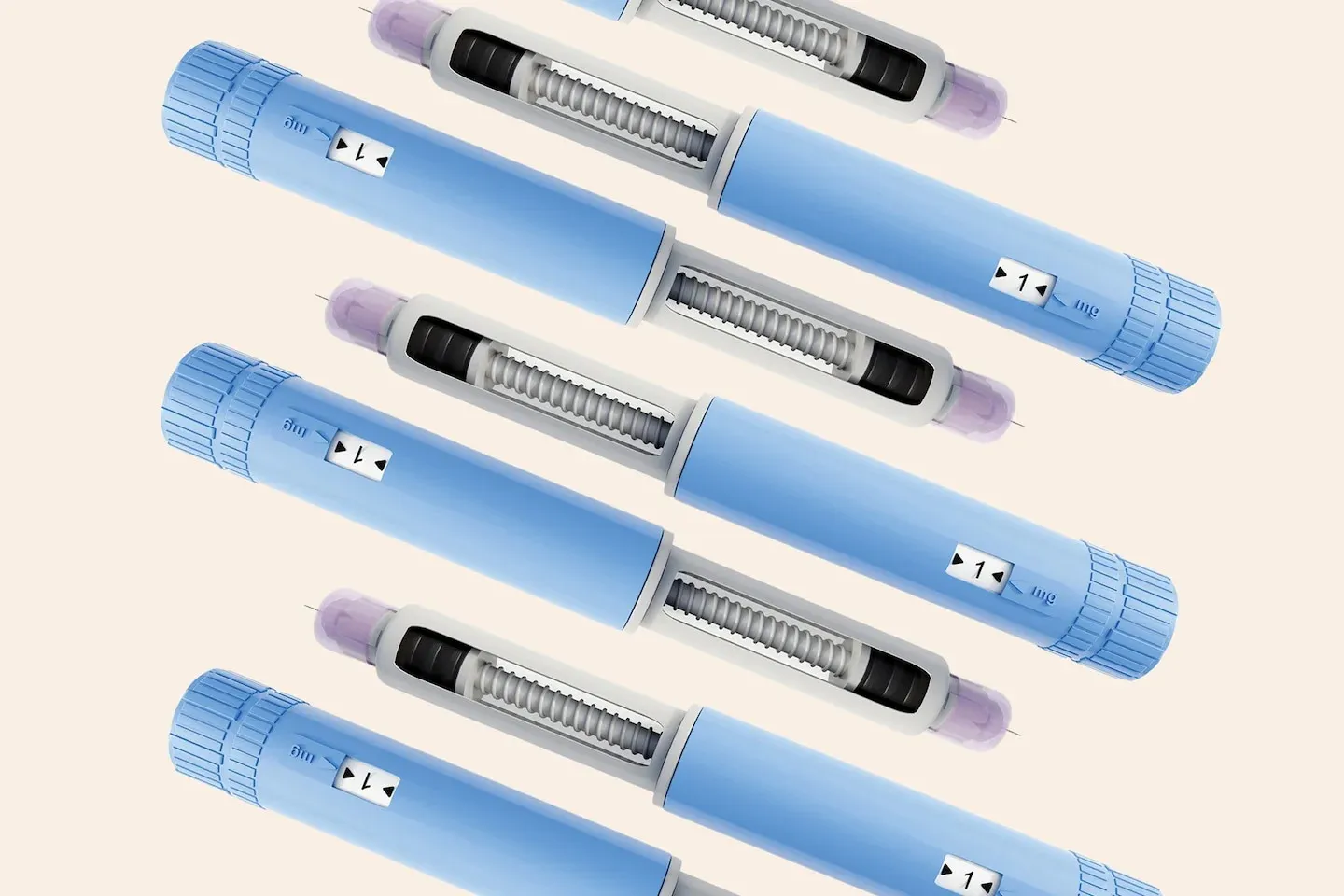
The influence of Ozempic and its related class of weight loss medications has been far-reaching. Millions of patients have achieved unprecedented weight loss, grocery stores are introducing products tailored for users of these drugs, and insurers are analyzing their impact on long-term health outcomes. Guides even exist to help users navigate holidays like Thanksgiving while on these medications.
Despite their popularity, high costs restrict access for many. Side effects lead some patients to discontinue use, while others avoid treatment due to the need for self-injections.
A new wave of treatments is on the horizon, including oral medications, more potent injectables, and compounds that may be administered monthly with fewer side effects. The focus is expanding beyond just weight loss, said David Lau, endocrinologist and professor emeritus at the University of Calgary Cumming School of Medicine. We are aiming for broader metabolic benefits.
However, these emerging therapies are still awaiting FDA approval, and the agency has cautioned against unauthorized versions sold online. New risks may also be identified post-approval, as seen with current GLP-1 drugs.
The promise of these developments is reflected in the stock market: Eli Lilly recently surpassed a $1 trillion valuation, becoming the first healthcare company to reach this milestone.
Oral Pills Could Make Treatment More Accessible
Both Novo Nordisk and Eli Lilly plan to launch once-daily oral weight loss pills by next year, pending FDA approval. These pills would eliminate the need for injections, require no refrigeration, and are expected to cost less. Sean Wharton, physician-researcher in Toronto, compared this potential shift to Henry Ford making cars widely accessible, emphasizing the importance of convenience and affordability.
Current oral candidates have shown weight loss of 1114% over a year, compared with 1520% for injectable options. Novo Nordisks Wegovy pill is expected to be approved first, potentially launching in early 2026. Eli Lillys orforglipron pill offers the convenience of no dietary restrictions.
The anticipation is so high that these medications are already part of drug pricing negotiations with the White House. Both companies have agreed to provide low-dose pills at $150 per month if approved, expanding access for Medicare patients.
Next-Level Drugs Target Multiple Hormones
Existing GLP-1 drugs stimulate one or two gut hormones to signal the brain to reduce food intake. Eli Lilly is developing a drug targeting three hormones, with clinical trials showing participants lost an average of 24.2% of body weight in 48 weeks. Results from additional trials for retatrutide are expected by the end of next year.
Other experimental therapies combine compounds to enhance weight loss. Novo Nordisks CagriSema, which combines semaglutide with an amylin-mimicking compound, increased average weight loss to 20% of body weight. Eli Lillys research on amylin-based drugs suggests they may reduce side effects and preserve lean muscle.
Monthly Injectables Could Change the Landscape
Beyond daily pills, companies are developing injectables requiring only monthly administration. Pfizer recently acquired biotech Metsera for up to $10 billion to access this technology. Amgens MariTide demonstrated up to 16% weight loss over a year, though side effects remain under review. Experts envision a future where less frequent injections could become standard.
Current Blockbusters Remain Popular
Tirzepatide-based drugs Mounjaro and Zepbound from Eli Lilly have generated around $25 billion in the first nine months of the year, with Novo Nordisks Ozempic and Wegovy close behind at $23.5 billion. Researchers note that GLP-1 medications may remain relevant due to extensive long-term safety data and FDA approvals for cardiovascular and other health benefits.
Market competition and policy shifts are gradually lowering costs, creating pressure for new medications to demonstrate clear advantages over existing GLP-1 drugs. More options create more competition, said Ania Jastreboff, predicting improved affordability and accessibility.
Semaglutide continues to be highly regarded for potential long-term benefits for conditions such as coronary artery disease and osteoarthritis. Reflecting on next-generation therapies, Sean Wharton likened their evolution to technological advancements, saying, Nobody is using the iPhone 1 anymore, but sometimes I miss my Blackberry.
The Future of Weight Loss Medication
Drugmakers are exploring once-daily pills and monthly injectables that could be easier to use, cheaper to distribute, and available to a wider population. Clinical trials and ongoing research aim to deliver more potent, safer, and more convenient treatments for patients with obesity, potentially reshaping the landscape of weight management in the coming years.
Author: Sophia Brooks
Share

Concerns arise over US childhood vaccine schedule following hepatitis B guideline revision
35 minutes ago 3 min read HEALTH

The benefits of smelling your own farts according to science
39 minutes ago 2 min read HEALTH

FDA approves Francis Medical's water vapor ablation treatment for prostate cancer
1 hours ago 2 min read HEALTH

Study finds bird flu gene enhances its ability to survive human fever defences
2 hours ago 4 min read HEALTH

Many lifters are making painful mistakes with the seemingly simple front rack position
3 hours ago 2 min read HEALTH

Singing along improves lung health and supports a charitable cause
5 hours ago 2 min read HEALTH

CDC Changes Hepatitis B Vaccine Recommendation for Children Despite Opposition from Academy of Pediatrics
6 hours ago 2 min read HEALTH

CDC Panel Votes Against Recommending Hepatitis B Vaccine for Newborns, Experts Warn of Impact on Children’s Health
10 hours ago 4 min read HEALTH

Experiencing stress in life is not a disease - GPs discuss mental health over-diagnosis
12 hours ago 4 min read HEALTH

New Study Suggests that Lack of Common Nutrient Could Increase Your Risk of Alzheimer's
13 hours ago 4 min read HEALTH