

Auditors Submitted 24 Fraudulent Applications for Subsidized Health Insurance. Only 1 Was Rejected.
- Last update: 39 minutes ago
- 2 min read
- 123 Views
- POLITICS
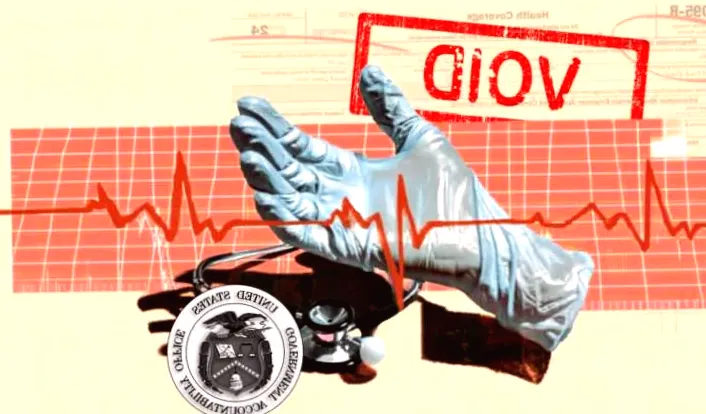
Federal auditors attempted to enroll 24 fictitious individuals in health insurance plans available through the Affordable Care Act (ACA) marketplaces, which provide taxpayer-subsidized coverage. Shockingly, only one of these applications was rejected.
A new report from the Government Accountability Office (GAO) highlights the risk of extensive fraud within these exchanges, citing insufficient anti-fraud safeguards. The findings come despite a 2018 GAO study that recommended stronger measures to detect and prevent fraudulent enrollments.
In 2024, GAO auditors submitted four applications using fake Social Security numbers and unverifiable income claims. All four were approved for subsidized insurance. In one instance, the marketplace claimed it had verified the applicants income, even though no supporting documentation was submitted.
For the 2025 enrollment period, auditors submitted 20 additional fictitious applications under the same approach. Nineteen were initially approved, and 18 remained enrolled in subsidized plans as of September. Each of these fraudulent accounts could receive over $10,000 in tax credits designed to reduce insurance costs.
The report also identified alarming irregularities with Social Security numbers. Over 66,000 numbers were linked to records showing more than a year of coverage, suggesting repeated use. Additionally, more than 58,000 numbers matched death records, with inconsistent names and birthdates, indicating possible synthetic identity fraud. Over $94 million in tax credits had already been disbursed to these accounts.
GAO warns that without a strong fraud prevention system, individuals could claim larger health insurance tax credits than their incomes justify. Previous reports in 2016 and 2017 uncovered similar vulnerabilities. Although the Centers for Medicare and Medicaid Services (CMS) conducted a fraud risk assessment in 2018, the recommendations were never implemented. CMS has now pledged to perform another review.
The report also revealed that for the 2023 plan year, over $21 billion in tax credits could not be verified against tax returns, meaning nearly one-third of credits provided to individuals with Social Security numbers were not reconciled. Experts warn that tens of billions in taxpayer funds may have been paid incorrectly.
Subsidies through the ACA exchanges represent a major federal expenditure. In 2024, CMS paid nearly $124 billion in advanced premium tax credits for around 19.5 million enrollees. Estimates suggest up to $20 billion of this could be fraudulent.
Although the tax credits benefit individuals, the program effectively serves as a large subsidy for insurance companies, who face little incentive to detect or block fraud. GAOs findings indicate the government has taken minimal steps to protect taxpayer funds, raising concerns about oversight and accountability.
Author: Ethan Caldwell
Share

Decreasing rents. Increasing wages. Maybe restricting immigration is effective.
6 minutes ago 3 min read POLITICS
Judge Criticizes Stephen Miller as "Ignorant, Incompetent, or Both"
8 minutes ago 2 min read POLITICS

Dear Soldiers: Avoid Getting Incarcerated for Pete Hegseth
9 minutes ago 3 min read POLITICS

Jack Smith to Give Private Testimony Before House Judiciary Committee in Mid-December
22 minutes ago 2 min read POLITICS

West Virginia governor: Improved appearance of hospitalized National Guardsman
22 minutes ago 2 min read POLITICS

Zohran Mamdani and the Louvre included in the list of most mispronounced words of 2025
22 minutes ago 3 min read POLITICS

U.S. sanctions target entertainer Rosita along with Venezuela's Tren de Aragua
23 minutes ago 2 min read POLITICS
Transparency of Supreme Court's hidden docket revealed in immigration arrest decision
24 minutes ago 2 min read POLITICS

Republican Warns Mike Johnson Secretly about Bombshell as MAGA Mutiny Escalates
30 minutes ago 3 min read POLITICS

Newsom Mocks Trump for Fictitious ‘Peace’ Award
32 minutes ago 2 min read POLITICS