

Controversy erupts in Minnesota Somali community
- Last update: 46 minutes ago
- 5 min read
- 391 Views
- POLITICS
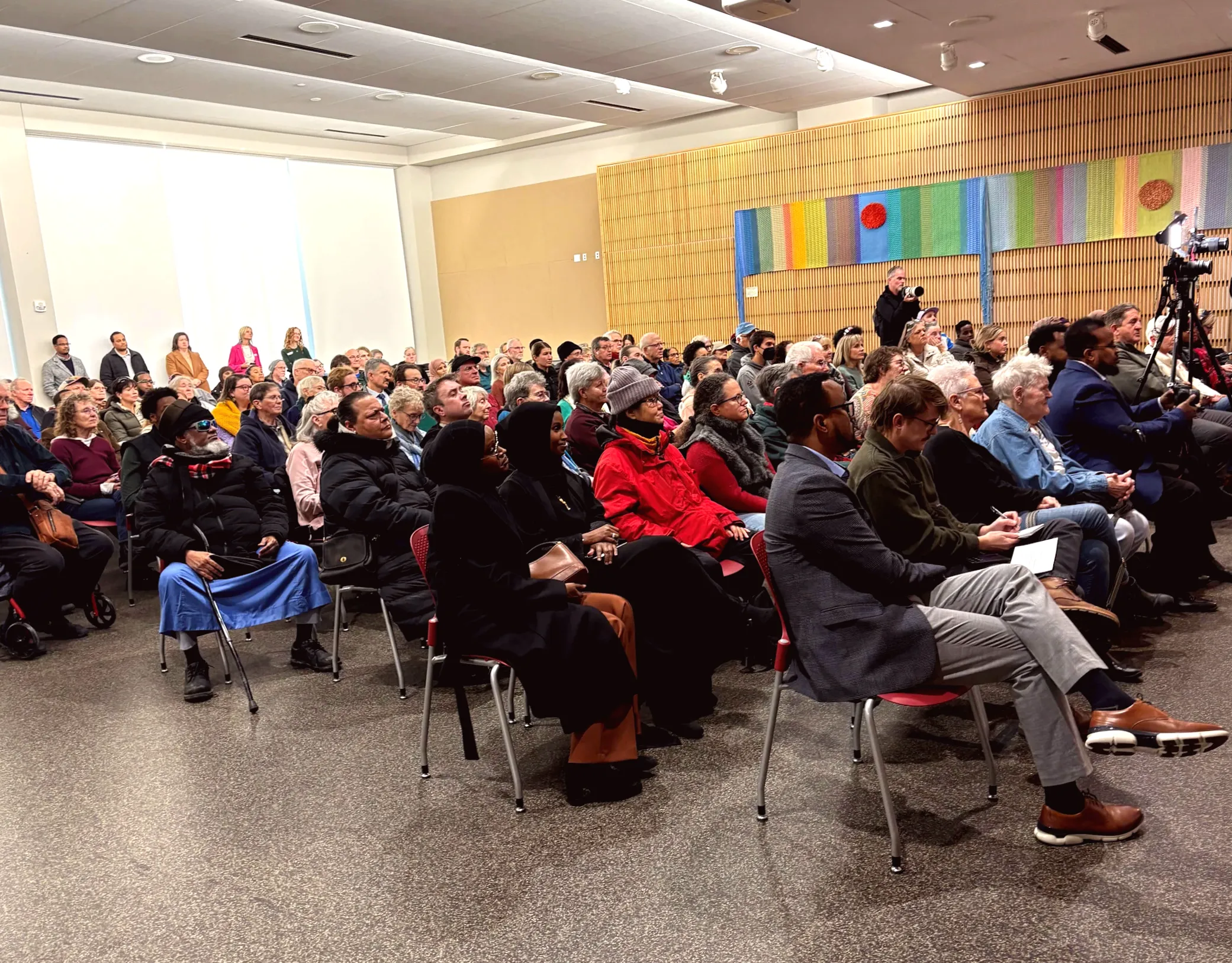
ST. CLOUD, Minn. A day after President Donald Trump labeled Somali immigrants in Minnesota as garbage, more than a hundred local residents and public officials met at a St. Cloud library to reaffirm that Somali families remain valued members of the community. Among those present was 36-year-old Farhiya Iman, a Somali-born social worker who said St. Cloud shaped the life she built as a wife, mother, and professional. Even as hostility rises, she said she still feels supported by many neighbors.
Iman noted that anti-Somali sentiment has increasingly surfaced in central Minnesota visible in online comment sections, on social media, and, at times, escalating into threats, vandalism, and organized efforts to block refugee resettlement. While gestures of solidarity reassure her, she said Trumps remarks reflect the views of many who share his hostility.
The presidents comments triggered heightened fear within Minnesotas large Somali population. He linked the community to an expansive fraud investigation a connection advocates say unfairly paints the entire community as culpable. This controversy unfolded during a period of heightened immigration enforcement, including Trumps threat to end Temporary Protected Status for Somali nationals and a halt to immigration applications from Somalia and 18 other countries following an attack involving an Afghan national.
Somali Minnesotans say the climate has deteriorated sharply. Somali scholar Ahmed Samatar of Macalester College described the current atmosphere as ferocious and deeply unsettling. Minnesota is home to the nations largest Somali diaspora estimated between 60,000 and 80,000 a community formed over decades as refugees fleeing civil war built new lives and networks across the state.
Today, Somali Minnesotans include U.S. citizens, permanent residents, and second-generation Americans working across fields such as law enforcement, medicine, business, and academia. Many have entered politics, though Trump has frequently criticized high-profile Somali American officials, including Rep. Ilhan Omar. His rhetoric has also influenced local politics, inspiring attempts such as a 2017 proposal in St. Cloud to temporarily halt refugee resettlement.
Trump recently escalated his remarks, claiming Somali immigrants have contributed nothing to the country and asserting plans to revoke deportation protections due to unsubstantiated claims of Somali gangs. He also linked the community to recent federal fraud investigations, including a massive case involving pandemic-era nutrition programs.
Local leaders reject Trumps portrayal
Elected officials across Minnesota condemned Trumps statements, emphasizing the Somali communitys cultural and economic contributions. Minneapolis Mayor Jacob Frey said the city is proud to host the nations largest Somali population, stressing that they remain neighbors and family members who are welcome regardless of political rhetoric.
Gov. Tim Walz, who has previously supported refugee resettlement and expanded access to state services for immigrants, said that while online crime should be investigated, broad attacks on entire communities serve no real purpose.
Somali advocates say the presidents comments have intensified fear. Suleiman Adan of CAIR-Minnesota said the community is past escalation and facing pressure unlike anything in previous years. The rise in anxiety coincides with several high-profile fraud investigations in which many of the defendants are of Somali descent.
Fraud cases deepen mistrust
Since 2022, federal prosecutors have charged dozens of people in a $250 million scheme tied to the Federal Child Nutrition Program, accusing organizations of fabricating meal distribution numbers and spending government funds on luxury goods. Five individuals were later charged with attempting to bribe a juror in the case. Separate prosecutions targeted alleged fraud in housing stabilization programs and autism therapy services.
Though many defendants are Somali Americans, prosecutors maintain that the wrongdoing reflects individual criminal activity rather than a community-wide issue. Nonetheless, community organizations say the scrutiny has fostered suspicion and fear including among Somali volunteers who have no connection to the crimes.
Heightened immigration enforcement fuels dread
Adan and other advocates report a surge in calls from residents frightened by ICE presence in Somali-majority areas such as Cedar-Riverside and near Karmel Mall. Some residents including citizens say they were stopped and asked for identification, and CAIR-MN has documented several cases of mistaken identity.
Federal officials deny racial targeting, stating that enforcement focuses solely on immigration violations and serious crimes. Yet Somali American leaders say the visible presence of ICE evokes traumatic memories for refugees who fled civil conflict and authoritarian rule.
Minneapolis City Council Member Jamal Osman said his constituents feel as if history is repeating itself. Although the city has barred the use of municipal property for immigration operations, Osman said residents still report being approached or detained.
Community resilience amid political attacks
Somali American leaders warn that dehumanizing language from political figures contributes to rising political violence and instability. Former State Department official Hamse Warfa compared Trumps remarks to similar attacks on other immigrant groups, calling them part of a pattern of scapegoating.
Despite mounting pressure, Somali Minnesotans say they have no plans to leave the state they have called home for decades. Speaking at the St. Cloud gathering, Iman emphasized that Somali families are firmly rooted in Minnesota life.
Were not undocumented, she said. Were not going anywhere.
Author: Logan Reeves
Share

Understanding Somalia in Light of Trump's Call for Somalis to Leave the US
1 hours ago 3 min read POLITICS

Trump focuses on Somali community in Minnesota: What you need to know
2 hours ago 3 min read POLITICS

Ilhan Omar criticizes Trump's 'creepy and unhealthy obsession' as raids increase
10 hours ago 3 min read POLITICS
Walz describes Trump's comment as 'unprecedented garbage'
15 hours ago 2 min read POLITICS

Minnesota lieutenant governor: Somali community integral part of our state
23 hours ago 2 min read US

Minnesota Somalis Fearful Yet Defiant After Trump Insults: 'We Are Not Trash'
1 days ago 4 min read BUSINESS
Governor Walz condemns Trump for referring to Minnesota's Somali community as 'garbage'
1 days ago 3 min read POLITICS

Minneapolis officials report arrests of Somalis in immigration operation
1 days ago 2 min read US

Trump Official Clarifies Number of Somalis Considered Waste
2 days ago 2 min read POLITICS

Trump receives increasing backlash for referring to Somali immigrants as 'garbage'
2 days ago 2 min read POLITICS