

Opinion - A Path to Affordable Health Insurance
- Last update: 30 minutes ago
- 3 min read
- 168 Views
- POLITICS
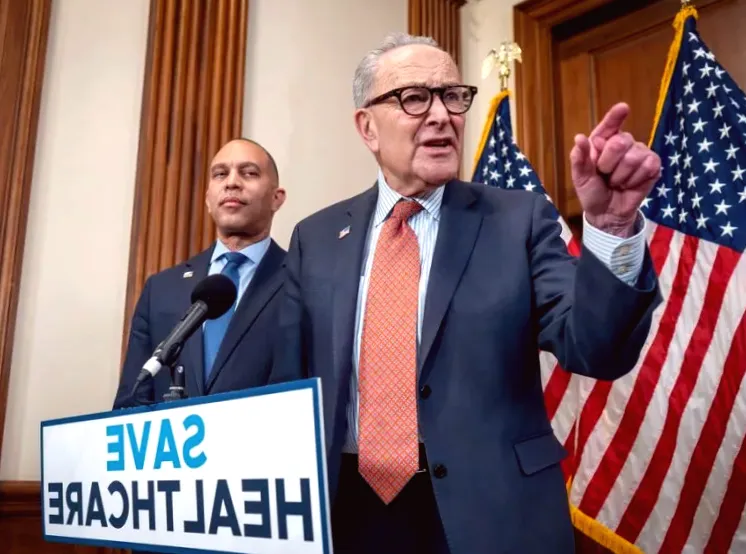
The recent government shutdown revolved primarily around health care funding. During the COVID-19 pandemic, temporary increases to Affordable Care Act (ACA) premium tax credits were implemented. These enhanced credits, however, are set to expire on December 31, 2025. Republicans advocated for allowing them to expire while keeping the government operational. Democrats insisted that continued funding of these enhanced credits was necessary to keep the government open. After 43 days of deadlock, eight Democratic senators broke ranks to approve the Republican proposal, ending the shutdown.
Amid this political standoff, a crucial issue was overlooked: the ACA's reliance on emergency-enhanced tax credits to function. Originally promoted as a solution to high insurance costs, the ACA now appears dependent on temporary subsidies to remain viable.
The central challenge is straightforward: health insurance is costly because health care itself is costly. Enhanced tax credits may ease the immediate burden of premiums but do not reduce the underlying cost of insurance or care. Without addressing the root expenses, efforts to make health coverage more affordable are unlikely to succeed.
The partisan divide stems from the ACAs history. It aimed to lower health care costs through comprehensive coverage paired with income-based subsidies. President Obama initially claimed the ACA would cut premiums by $2,500, a goal quickly proven unattainable as premiums, deductibles, and out-of-pocket costs rose instead.
Politics continue to shape the debate. The ACA was passed without Republican support, and today, many Republicans are reluctant to fund premium subsidies. Some, including Sens. Rick Scott and Bill Cassidy, have proposed sending subsidies directly to enrolleesa plan endorsed by former President Trump. While this approach appeals to Republicans, it is unlikely to win Democratic support, which is needed to overcome Senate filibusters.
A potential bipartisan compromise involves revisiting the ACAs mandated benefits. The Essential Health Benefits currently required in all marketplace plans create comprehensive coverage but drive up costs. Many consumers would prefer less extensive, more affordable options, yet these are prohibited under current regulations.
One compromise could pair a gradual reduction of enhanced premium subsidies with the elimination of Essential Health Benefits mandates. This would prevent sudden premium hikes and create opportunities for states to offer tailored, lower-cost plans. Such an approach could foster bipartisan support while tackling the ACAs affordability problems.
In summary, making health insurance and care more affordable requires rethinking both subsidies and regulations that inflate costs. Phasing out enhanced subsidies and removing overly rigid coverage mandates offers a practical starting point for sustainable reform.
Author: Lucas Grant
Share

Schumer announces Democrats' plan for 3-year extension of health care tax credits
17 hours ago 2 min read POLITICS
Schumer proposes an ACA plan, new poll indicates Republicans should support it
19 hours ago 2 min read POLITICS

Schumer to push Senate GOP to vote on three-year extension of health insurance subsidies
1 days ago 2 min read POLITICS

House GOP leaders are preparing the health bill for next week.
1 days ago 2 min read POLITICS

Senate Democrats suggest extending ACA subsidies for 3 years
1 days ago 2 min read POLITICS

Democrats to push for Senate vote on 3-year extension of funds for Affordable Care Act
1 days ago 2 min read POLITICS

ACA subsidies in jeopardy as Congress struggles to reach agreement
2 days ago 2 min read POLITICS

Senate not expected to reach health care agreement before crucial vote
3 days ago 2 min read POLITICS

Trump and lawmakers must act quickly to address rising health care costs before it's too late
3 days ago 3 min read BUSINESS

Chances decreasing for renewal of health care subsidies, putting millions at risk of premium spikes
3 days ago 3 min read POLITICS