

Sources Allege Pete Hegseth Ousted Black Admiral for Questioning Legality of Drug Boat Bombings
- Last update: 1 days ago
- 3 min read
- 479 Views
- POLITICS
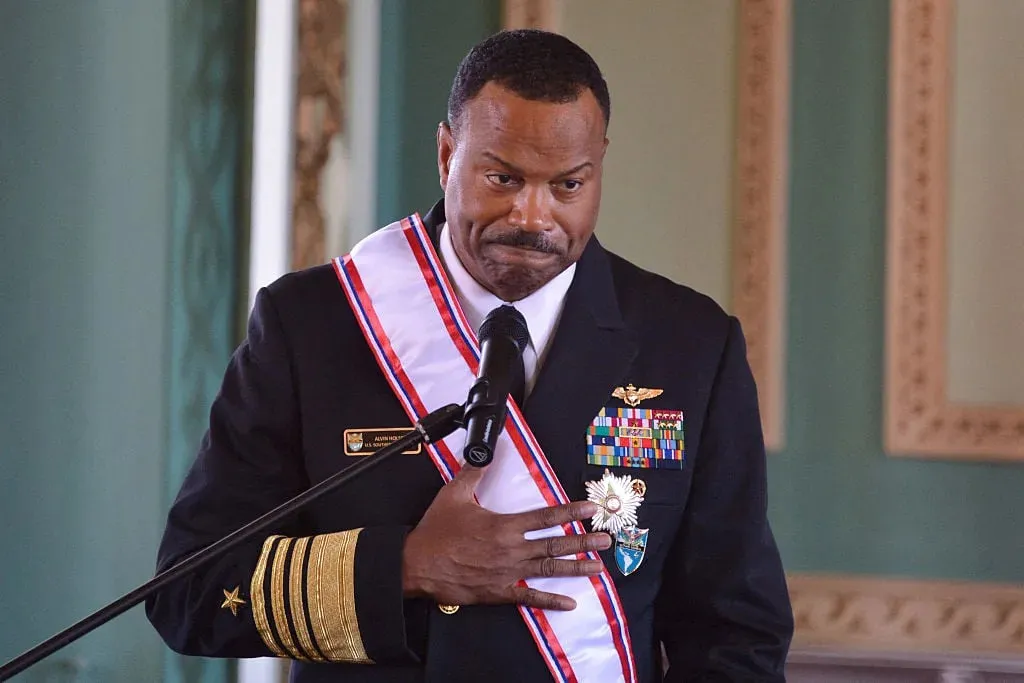
Amid ongoing bipartisan scrutiny of the Trump administrations controversial program targeting suspected drug trafficking vessels, new reports reveal internal conflict within the military over the policy.
Sources within the Pentagon have disclosed details surrounding the abrupt retirement of Admiral Alvin Holsey, one of the highest-ranking Black officers in the U.S. military. According to insiders, Holsey was pressured to retire due to his objections to strikes against alleged drug traffickers.
"You're Either With Us or Against Us"
The Wall Street Journal reported that Holseys retirement in October came at the request of Secretary of Defense Pete Hegseth, who disagreed with Holseys stance on the drug boat attacks. At the time, Holsey had recently assumed command of U.S. Southern Command, overseeing military operations in Latin America and the Caribbean.
Two unnamed Pentagon sources indicated that Holsey questioned the legality of the strikes carried out under his command, prompting Hegseth to challenge his leadership. Hegseth allegedly told Holsey, Youre either on the team or youre not, and added, When you get an order, you move out fast and dont ask questions. The sources also suggested that Hegseth suspected Holsey of leaking information about the operations to the press, ultimately leading to the request for his resignation.
Holseys Exit Reflects a Broader Pattern
Holseys resignation was unexpected, given his recent appointment. It is part of a pattern during the Trump administration in which Black and female military leaders left key positions amid criticisms of wokeness in the armed forces. Reports indicate Holsey had serious reservations about the legality of the drug boat strike policy and had been largely excluded from the operational decision-making.
These new insights emphasize the depth of the disagreements between Holsey and Hegseth, even as Hegseth publicly commended Holsey upon his departure.
Drug Boat Strikes Under Intense Scrutiny
The drug boat operations have drawn increased attention from both media and Congress. A Washington Post report revealed that a September strike included a previously undisclosed second bombing that killed survivors of the initial attack. Legal experts warn that such an action could amount to a war crime. The second strike was reportedly carried out to follow a verbal order from Hegseth to eliminate everyone on board.
Since the report, administration officials have shifted accounts of the second strike. Trump and Hegseth defended the attack as a lawful act of war, at times attributing the order to Admiral Frank Bradley, head of U.S. Special Operations Command. Lawmakers from both parties have called for explanations, with Bradley scheduled to testify before House and Senate Armed Services and Intelligence committees regarding the operation.
Holseys Departure Viewed in Context
As more information emerges and the administration works to manage the fallout, Holseys concerns appear to have been well-founded. While his exit from a top military position was abrupt, it may have shielded him from potential legal and political consequences linked to the strikes.
Author: Zoe Harrison
Share

Hegseth removed Navy admiral who expressed concerns about boat collisions
1 days ago 2 min read POLITICS

Pentagon Pete's Attempt to Shift Blame Fails
1 days ago 3 min read POLITICS
Democrats Disturbed by Boat Strikes After Briefing
1 days ago 3 min read POLITICS
Republican lawmakers investigate Trump administration's actions on 'drug boat' strikes
2 days ago 3 min read POLITICS

3 important questions about the US boat collision that claimed survivors' lives
2 days ago 3 min read POLITICS
BREAKING: Hegseth Allegedly Fired Admiral Who Raised Legal Concerns About Boat Bombings
2 days ago 1 min read POLITICS
Hegseth declares continued assaults on 'narco-boats'
3 days ago 3 min read POLITICS

Adm. Frank 'Mitch' Bradley's involvement in the Venezuela boat strikes
3 days ago 4 min read POLITICS

White House justifies second attack on survivors in Venezuela
4 days ago 1 min read POLITICS

Pentagon Pete Sacrifices Elite Commander Over Alleged 'Illegal' Order
4 days ago 3 min read POLITICS