

Trump's attempt to increase authority reaches Supreme Court
- Last update: 35 minutes ago
- 3 min read
- 487 Views
- POLITICS
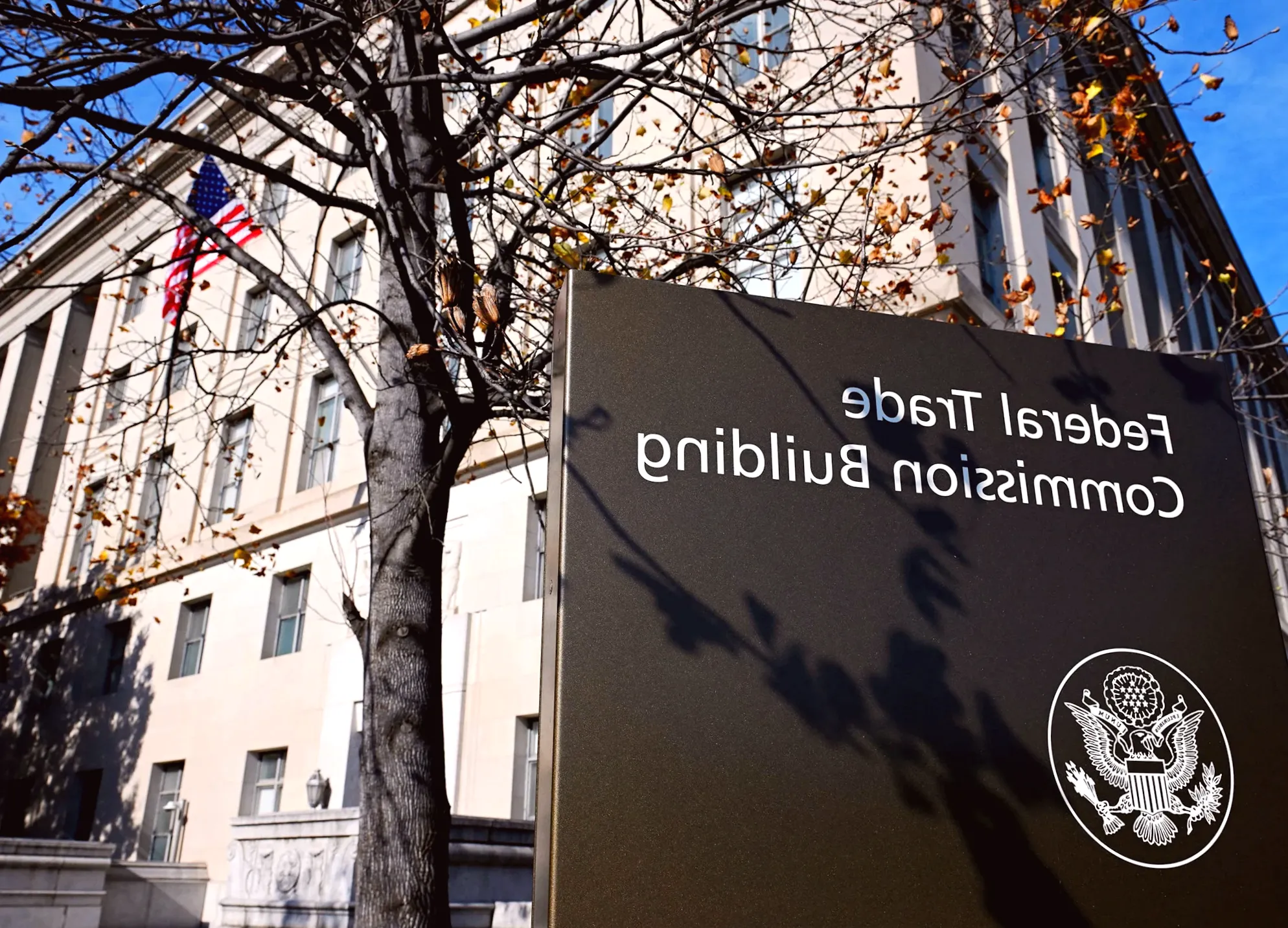
WASHINGTON President Donald Trumps effort to expand his authority over independent federal agencies is set for Supreme Court review on Dec. 8. This marks the second of several high-profile cases this term examining Trumps broad interpretation of presidential power.
Trump seeks to overturn a 1935 ruling that limits a presidents ability to remove leaders of multi-member agencies, potentially affecting bodies such as the Federal Reserve and the Federal Trade Commission (FTC). The court has gradually narrowed this precedent since 2010, raising the possibility that Trumps challenge could succeed.
Even if the Supreme Court does not fully strike down the 1935 decision, the conservative majority is expected to further restrict its application, altering the balance of power between the president, Congress, and independent agencies. At minimum, Trump could gain authority over the FTC, which enforces antitrust and consumer protection laws across the economy. Other agencies potentially impacted include those overseeing campaign finance, labor protections, business regulations, broadcasting, transportation safety, and more.
This case represents a key moment for the separation of powers, with the potential to reshape how numerous federal agencies function, said Varu Chilakamarri, a former Justice Department attorney.
Conservative Case for a Unitary Executive
Congress designed these agencies to be led by bipartisan boards of experts serving fixed terms. However, proponents of the unitary executive theory argue the Constitution grants the president complete control over executive functions, including the power to remove agency commissioners. They contend that without such authority, agencies are insufficiently accountable to the public.
Congress can create a wide-ranging bureaucracy, but it cannot place it beyond presidential oversight, stated Oliver Dunford of the Pacific Legal Foundation.
Trumps Actions Against Agency Leaders
After taking office, Trump asserted control over all federal agencies. In March, he removed two Democratic FTC commissioners, Rebecca Kelly Slaughter and Alvaro Bedoya. Lower courts, citing the 1935 Humphreys Executor v. United States decision, had ruled that presidents can only remove FTC members for misconduct, which Trump did not allege. Similar rulings affected his removals from the Consumer Product Safety Commission and federal labor boards. The Supreme Court intervened, allowing the firings to proceed while reviewing the constitutional issues on an expedited basis.
The court will also address Trumps potential authority over the Federal Reserve in a separate case, and is considering related cases concerning presidential power over tariffs and birthright citizenship.
Trump Argues Firing Power is Essential
In Trump v. Slaughter, the administration contends that the presidents ability to remove agency leaders is vital to faithfully executing the law. The 1935 Supreme Court decision described the FTC as exercising quasi-legislative and quasi-judicial functions, not purely executive ones. Solicitor General John Sauer argued that the modern FTC and similar agencies exercise significant executive power and urged the court to overturn remaining aspects of Humphreys Executor.
Concerns About Agency Independence
Alvaro Bedoya, one of the fired FTC commissioners, warned that allowing the president to remove agency leaders at will could reduce agencies to lapdogs of the White House. Critics highlight the FTCs $2.5 billion settlement with Amazon over misleading practices, noting that public trust in such enforcement could be undermined if agency leadership becomes politically influenced.
Supreme Court justices have signaled openness to curtailing the 1935 precedent. In July, when Trump removed members of the Consumer Product Safety Commission, Justice Elena Kagan observed that her conservative colleagues had all but overturned Humphreys Executor. Justice Brett Kavanaugh indicated there is a fair prospect the ruling may be fully overruled.
Author: Ava Mitchell
Share
The Supreme Court considers further expansion of presidential authority desired by Trump
18 minutes ago 3 min read POLITICS
Supreme Court to determine if Trump has the power to limit birthright citizenship
15 hours ago 3 min read POLITICS

Supreme Court to determine if Trump can terminate birthright citizenship
16 hours ago 3 min read POLITICS

US Supreme Court to Determine Legality of Trump's Birthright Citizenship Order
17 hours ago 2 min read POLITICS
Supreme Court to review Trump's attempt to block birthright citizenship
17 hours ago 3 min read POLITICS
Appeals court overturns job security regulations at two independent agencies
17 hours ago 2 min read POLITICS

Court rules Trump has authority to dismiss members of multiple boards
17 hours ago 2 min read BUSINESS
DOJ requests Supreme Court involvement in dispute over immigration judge free speech
18 hours ago 3 min read POLITICS
The Supreme Court to Rule on Constitutionality of Trump's Birthright Citizenship Order
18 hours ago 3 min read POLITICS

Supreme Court to Consider Trump's Attempt to End Birthright Citizenship
18 hours ago 2 min read POLITICS