

Asda plans to reduce number of sick days in turnaround effort
- Last update: 29 minutes ago
- 2 min read
- 600 Views
- WORLD
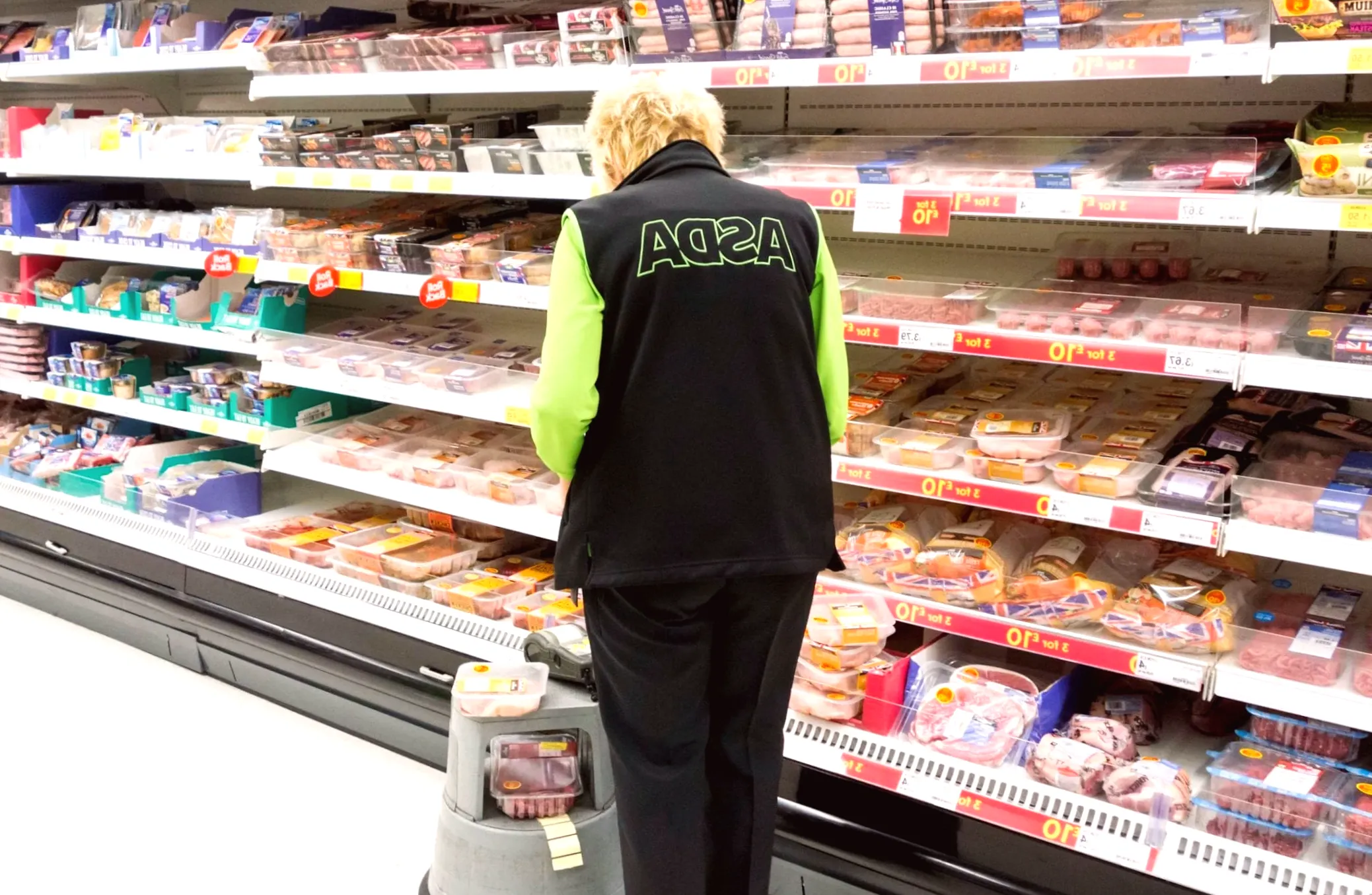
Asda is exploring tougher measures on employee sick leave as part of its strategy to rejuvenate the struggling supermarket chain. The company is consulting on revised disciplinary rules that could increase the likelihood of staff dismissal for repeated absences.
Under the current system, employees with an absence rate of 3% or more undergo a review, followed by two informal warnings before formal disciplinary procedures begin. Absence records are cleared after six months. Asda is now considering extending this period to 12 months, raising the possibility of employees facing escalating disciplinary actions, potentially resulting in termination.
The proposed changes have caused concern among staff, including those with mental health conditions and disabilities. The consultation could impact more than 150,000 workers across 1,200 stores. One insider noted that the revisions would make employees hesitant to take sick leave, knowing disciplinary steps could occur sooner.
Another employee described the approach as a tactic to intimidate staff at a time of already low morale, saying many are anxious about job security and consider the plan unwise.
The move comes as Asda aims to revitalize its operations. Executive Chairman Allan Leighton, appointed last year to oversee the turnaround, is facing challenges as Asdas grocery market share has dropped to 11.6%, down from 14.6% in 2021 when the chain was acquired by TDR Capital and the Issa brothers in a 6.8bn deal.
Years of cost-cutting, including reduced staff hours and widespread job cuts, have contributed to the companys decline. While Leighton has pledged to restore employee hours, critics view the sick leave crackdown as another cost-control measure intended to discourage absences.
An Asda spokesperson said the proposal is still under review with employee representative groups, emphasizing that no final decisions have been made and no policy changes have been implemented.
Author: Connor Blake