
Discovery of New Burial Site for Infants at Tuam Mother and Baby Home Continues during Excavation
- Last update: 1 hours ago
- 2 min read
- 908 Views
- WORLD
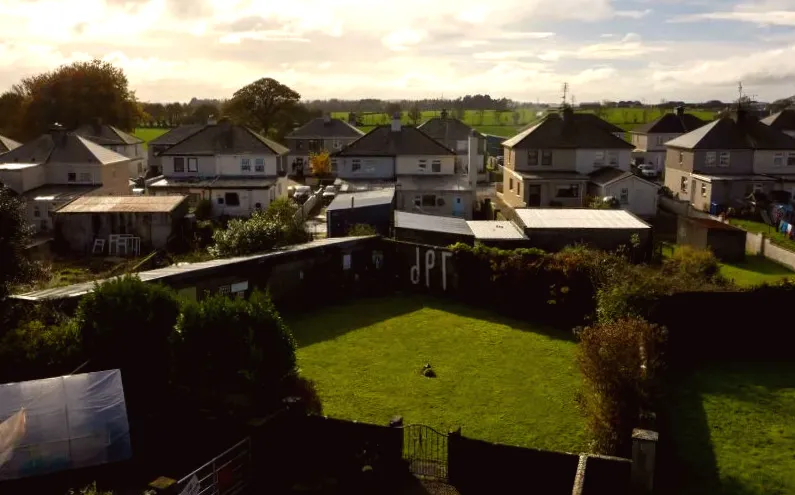
Authorities have uncovered a second burial site for infants at the former Mother and Baby home in western Ireland, a discovery described as significant by forensic experts involved in the ongoing excavation of the site.
Between 1925 and 1961, nearly 800 children died at the Tuam institution, operated by the Bon Secours Sisters. Historical records suggest their remains were disposed of in a mass grave rather than being given proper burials.
The initial discovery was made by local historian Catherine Corless in 2014, who documented that 796 infants had passed away at the County Galway facility without burial records, with many placed in a disused sewage tank.
This summer, excavation work supervised by the Office of the Director of Authorised Intervention in Tuam (ODAIT) began. Recent updates from ODAIT confirm that forensic teams have identified consistent evidence of a separate burial area.
There were no visible indicators on the surface or underground suggesting a burial site at this location before excavation, ODAIT stated. Director Daniel MacSweeney told national broadcaster RTE that the new burial ground lies approximately 50 to 100 meters from the original septic tank site.
Since the excavation started in July, remains of 11 infants have been recovered, including four found last month. These remains have been placed in coffins and sent for forensic examination. MacSweeney reported that 160 people have volunteered DNA to assist in identifying the bodies and urged other family members to come forward.
The Tuam home was among many institutions in Ireland where unmarried pregnant women were sent to give birth in secrecy. Mothers were often separated from their children, with some infants being adopted in Ireland, the UK, and overseas, while many others died and were buried in unmarked graves.
In 2015, the Irish government launched an inquiry into 14 mother and baby homes and four county homes, revealing large quantities of human remains at the Tuam site and highlighting extremely high infant mortality rates. The investigation criticized the state for failing to raise any alarm, despite local and national authorities being aware of the deaths.
The inquiry concluded that, before 1960, these homes often reduced the chances of survival for children born out of wedlock. Following the investigation, the government issued a formal apology in 2021, alongside the Sisters of Bon Secours, and introduced a redress program for survivors.
Advocates and survivors are calling for comprehensive investigations of other institutions as the Tuam excavation continues, which is expected to take up to two years.
Author: Aiden Foster