

Israeli-Russian Woman Recounts Torture by Iraqi Militants: 'Hung by my Wrists and Beaten'
- Last update: 4 days ago
- 4 min read
- 37 Views
- WORLD
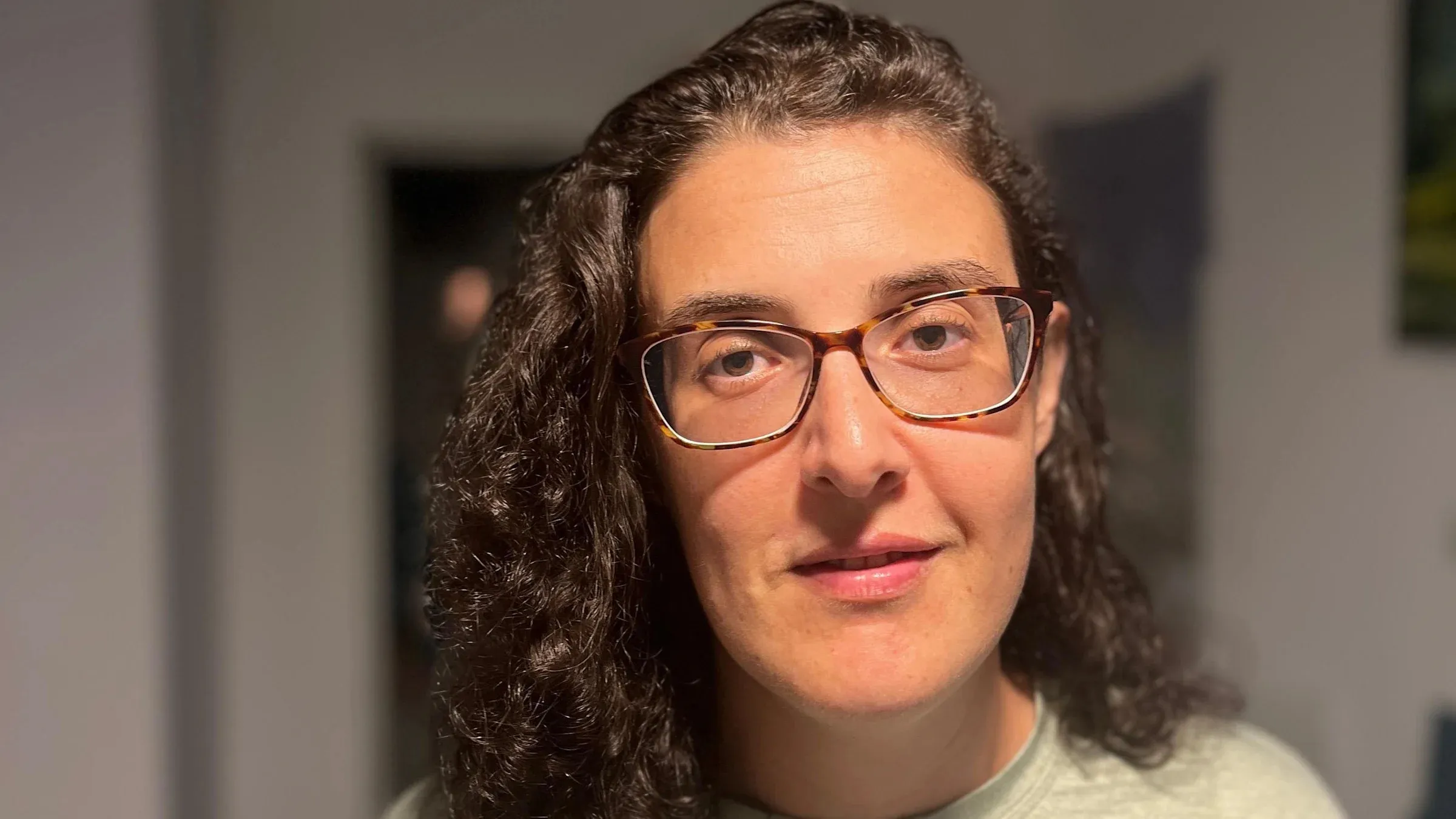
Elizabeth Tsurkov, an Israeli-Russian woman who spent two and a half years held by militants in Iraq, has shared her story with the BBC, describing how she fabricated confessions to stop her captors from torturing her. She was released in September, but the trauma she endured left lasting physical and psychological scars.
Warning: The following account contains distressing details of torture.
"My health is fragile," Tsurkov admitted during an interview in central Israel, where she was seated on a bed. Nearly three months have passed since her release from 903 days of captivity in Iraq.
The initial four and a half months were particularly brutal. Tsurkov recalled being suspended from the ceiling, whipped, sexually abused, and electrocuted. In March 2023, the 39-year-old Princeton University doctoral student was conducting field research in Baghdad for her PhD in comparative politics. She agreed to meet someone who claimed to be a friend of a friend, but the woman never appeared. As she walked home, two men abducted her, beating and sexually assaulting her before taking her to the outskirts of Baghdad.
"During the first month, they starved and interrogated me, unaware of my Israeli nationality. They believe all foreigners are spies," she explained. Tsurkov had initially claimed Russian citizenship, but her captors eventually discovered her Israeli identity through her phone, after which the torture intensified, including electrocution, beatings, whippings, and other methods described as regional "specialties."
She detailed specific methods, such as being hung from the ceiling with her hands cuffed behind her back, and "the scorpion," a technique that often caused shoulder dislocation.
Tsurkov believes she was held by Kataib Hezbollah, an Iran-backed militia in Iraq designated as a terrorist organization by the United States. These militias are part of the Popular Mobilisation Forces, known for their influence in Iraqi politics and commerce.
During brief intervals between torture sessions, Tsurkov tried to strategize. She studied her captors bizarre conspiracy theories, including beliefs that Israel, the U.S., and Saudi Arabia created ISIS, and that the U.S. spreads homosexuality through single-sex cafes. She invented confessions about herself to avoid further abuse, without implicating any Iraqis.
"They would torture me to obtain these confessions, then demand more, employing even harsher methods," she said. After about 100 days, she was moved to another location, where the torture stopped, though she remained in solitary confinement with no exposure to daylight.
Tsurkov credits her release to the intervention of U.S. businessman Mark Savaya, appointed as a special envoy to Iraq. He reportedly met with Prime Minister Mohammed Shia al-Sudani, conveying that President Trump was extremely concerned about her captivity and threatened consequences if she was not released promptly. Within days, she was freed.
Iraqi authorities described her release as the result of extensive efforts by security services, while Kataib Hezbollah later claimed she was freed to prevent a U.S. strike and asserted that she provided all information she had during interrogation. The U.S. State Department did not comment.
Back in Israel, Tsurkov has begun her recovery, both physically and mentally, while remaining determined to complete her PhD. She has observed the growing influence of Iran-backed militias in recent Iraqi elections and criticizes the corruption she perceives in the country.
Tsurkov also reflected on the aftermath of the October 7, 2023, Hamas attacks and Israels ongoing conflict in Gaza. She is undergoing therapy for post-traumatic stress symptoms, noting that many Israelis share these experiences. Her time in captivity has also deepened her skepticism regarding the prospects for regional peace.
She emphasizes the long path of recovery ahead but holds onto one certainty: she survived and regained her freedom. "I was fortunate, in a very unfortunate situation," Tsurkov said.
Author: Sophia Brooks
Share
Father accused of injuring son as a baby now charged with murder
1 minutes ago 1 min read WORLD
Ukraine demonstrates to the UK that traditional 'tactically safe' methods for clearing trenches are ineffective in chaotic, booby-trapped environments
3 minutes ago 3 min read WORLD

Opinion - The Collapse of the Latin American Left Continues, with Maduro on the Horizon
4 minutes ago 3 min read WORLD

Iran seeks to purchase water from nearby nations
5 minutes ago 2 min read WORLD

OBE awarded to man who set up Sikh soldier memorial
12 minutes ago 2 min read WORLD

Council delays implementation of Sunday car park charges
18 minutes ago 2 min read WORLD

Trump's intended enforcement actions on Somali communities in Minnesota: What information we have
18 minutes ago 4 min read WORLD

Gene therapy by Vertex demonstrates potential in treating blood disorders in children
20 minutes ago 2 min read WORLD

Putin sends Trump's envoys packing, aiming for a geopolitical victory
21 minutes ago 3 min read WORLD

Europe deploys new ballistic missile shield proven in combat against Iranian threats
21 minutes ago 2 min read WORLD