

Researchers uncover unsettling findings after exposing mice to everyday household trash: 'Consider the implications for humans'
- Last update: 1 hours ago
- 2 min read
- 283 Views
- WORLD
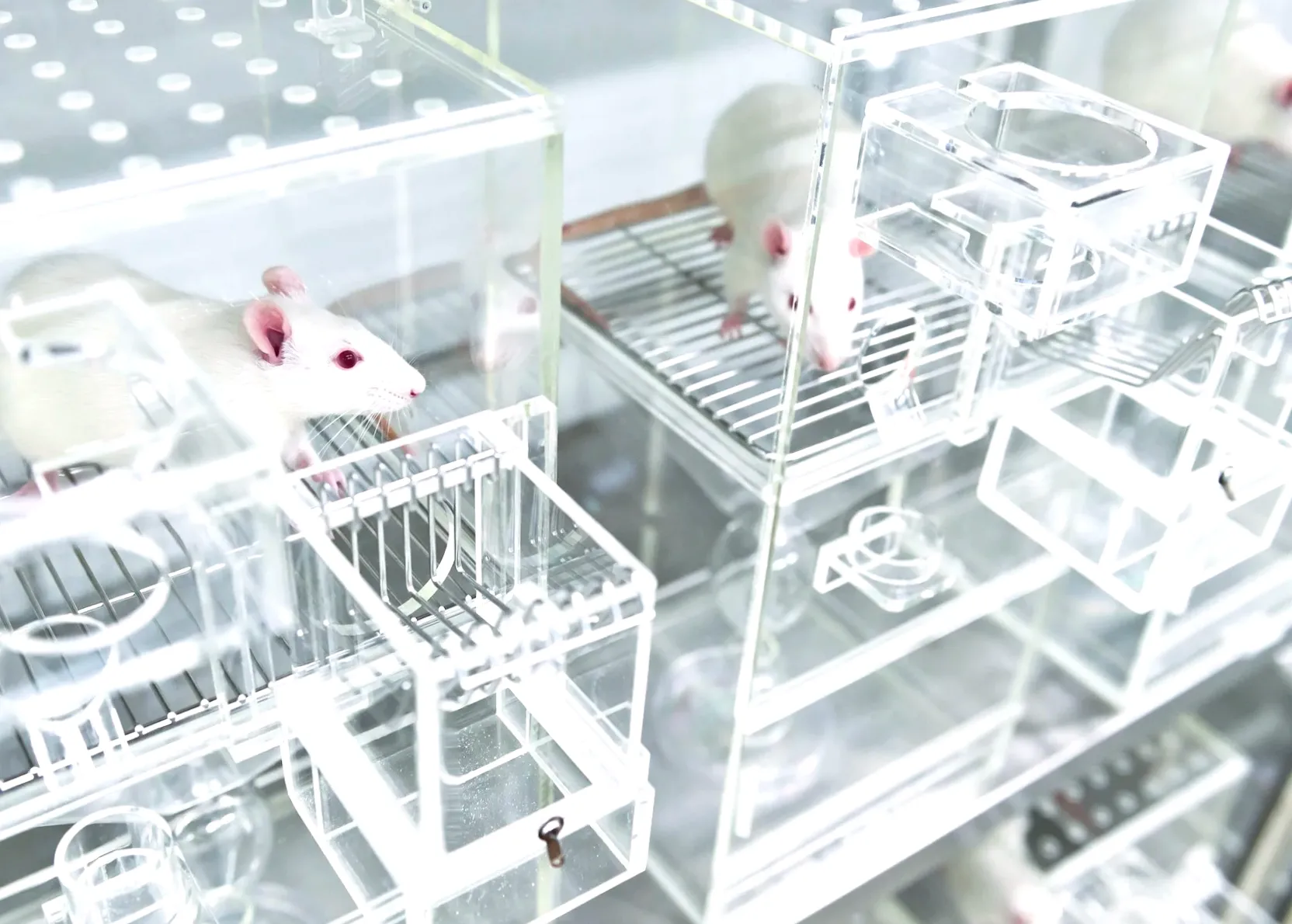
A recent investigation revealed that microplastics can infiltrate the brain tissue of mice within just a few weeks, raising serious questions about potential effects on humans.
Study Overview
According to reports, scientists introduced microplastics into the drinking water of lab mice. Within four weeks, the particles had traveled from the digestive system into the liver, kidneys, and brain. Eliseo Castillo, an associate professor at the University of New Mexico and co-author of the study, explained, We were able to identify microplastics in multiple tissues following exposure. This indicates that they can cross the intestinal barrier and reach other organs.
Key Findings
The research, published in Environmental Health Perspectives, also detected metabolic changes in the colons, livers, and brains of the mice. Given that mice have short lifespans, the appearance of these changes within weeks is particularly concerning. The levels of microplastics used in the study mirrored the concentrations humans may ingest through everyday drinking water.
Castillo emphasized, Consider the implications for humans if exposure continues from birth through old age.
Health Concerns
While definitive health impacts of microplastics on humans remain uncertain, studies suggest links to conditions such as cancer, dementia, reproductive problems, and anxiety. These tiny particles, measuring less than five millimeters, have been detected in air, water, and even food.
Possible Solutions
Scientists are exploring methods to remove microplastics from water. At Tarleton State University, researchers are investigating plant-based molecules, while the Indian Institute of Science developed a hydrogel capable of eliminating over 90% of polyvinyl chloride and polypropylene particles.
Reducing plastic use in household products may also lower exposure. Alternatives include silicone food containers, metal razors, and laundry detergents packaged without plastic.
Future Implications
The research aims to understand how microplastics affect gut health, which in turn can influence brain, liver, and other organ function. Chronic exposure could potentially lead to widespread effects across the body.
Author: Grace Ellison
Share
New reports reveal alarming danger in food storage containers: 'Higher risk for exposure'
5 hours ago 2 min read BUSINESS
Researcher warns of alarming consequences of city nightlife: 'People need to be aware'
3 days ago 2 min read BUSINESS
Researchers find unsettling revelation beneath Earth's surface: 'Consequences remain unknown'
4 days ago 2 min read SCIENCE
Alarm raised by experts following disturbing link to rise in liver issues: 'First scientific proof provided'
5 days ago 2 min read HEALTH