

Syrian refugees driven by hope and hardship return home, only to face destroyed homes and land disputes
- Last update: 17 hours ago
- 3 min read
- 303 Views
- WORLD
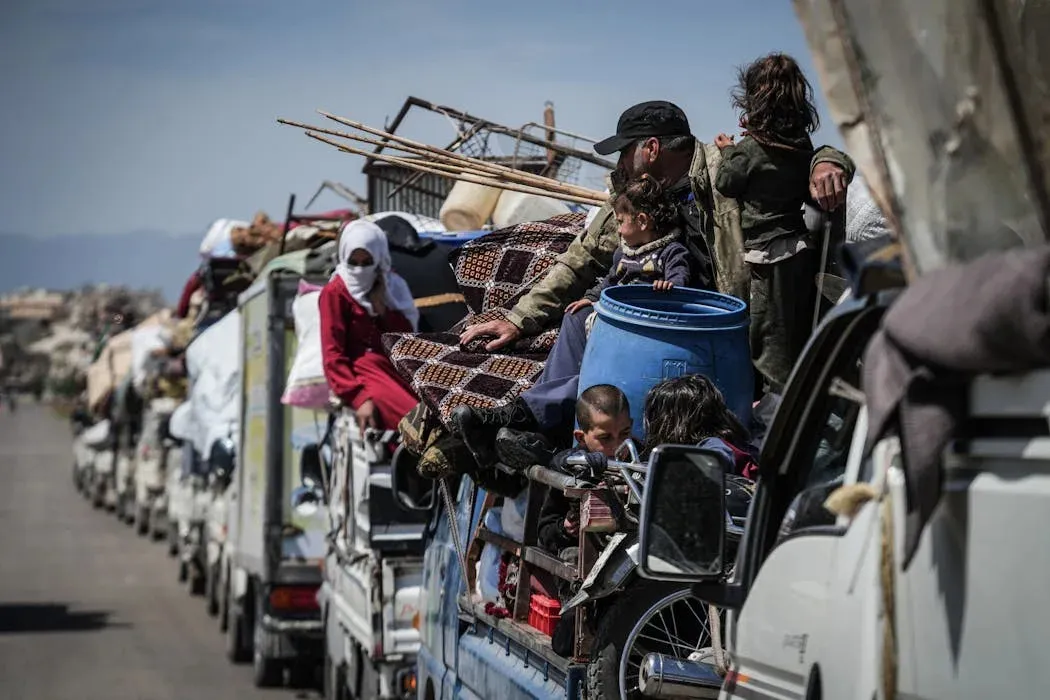
Over the past year, nearly 1.5 million Syrian refugees have voluntarily made their way back to their homeland, accounting for almost a quarter of those who fled during the countrys 13-year civil conflict. This rapid return occurs even as security remains fragile in many regions, raising questions about why people are coming back and what conditions they face.
The collapse of Bashar Assads regime on December 8, 2024, has influenced perceptions of safety and the possibility of returning. Surveys conducted by the U.N. refugee agency in January 2025 across Jordan, Lebanon, Iraq, and Egypt revealed that 80% of Syrians hoped to returna sharp rise from 57% the previous year. However, motivations for returning are complex, involving more than changes in political authority.
Why Refugees Are Returning
Typically, post-conflict returns occur when security improves, schools reopen, infrastructure is restored, and housing is rebuilt. In Syria, violence continues in parts of the country, governance remains fragmented, and sectarian tensions persist. Despite these obstacles, refugees are returning, often because conditions in host countries are worsening.
Countries like Turkey, Lebanon, and Jordan, which hosted large refugee populations for over a decade, are now facing economic crises, political instability, and declining humanitarian aid. In Turkey, refugees face deportations and limited integration opportunities. In Lebanon, violence and reduced international support have made access to basic needs difficult. In Jordan, cuts to humanitarian assistance have heightened daily hardships.
Challenges at Home
Returning Syrians confront extensive destruction of housing and infrastructure, as well as damaged or lost property records. ACLED data on over 140,000 violent incidents from 2014 to 2025 indicate that cities such as Aleppo, Idlib, and Homs suffered severe damage. Without clear documentation, returnees risk legal disputes or violent conflicts over property.
Minority communities, including Alawites, Christians, Druze, and Kurds, face additional risks. Attacks on Alawite populations and clashes involving Druze militias in southern Syria have caused further displacement. These incidents highlight that while some areas feel relatively safe, instability remains widespread.
Future Prospects
The sustainability of refugee returns will depend on three key factors: improvements in security, reconstruction of housing and land administration, and the policies of host countries. Rebuilding Syria will require not only physical reconstruction but also robust systems for property verification, dispute resolution, and compensation.
For now, Syrians are returning due to a combination of hope and necessityhope that political changes allow a return home, and hardship driven by deteriorating conditions in neighboring states. Whether these returns can be safe, voluntary, and lasting will significantly shape Syrias recovery in the years ahead.
Author: Logan Reeves
Share

Hope and Joy Fill Syria's Hama a Year After al-Assad Forces Leave
14 hours ago 3 min read WORLD

Syrian leader must now earn trust from his own country after victories overseas
18 hours ago 3 min read WORLD

UN Security Council delegation makes historic visit to Syria
1 days ago 2 min read WORLD

UNSC delegation visits Syria one year after al-Assad's regime change
1 days ago 2 min read WORLD

Israel announces the reopening of the Rafah border crossing: What it means for Palestinians in Gaza
2 days ago 3 min read WORLD

EU revises asylum guidelines for Syrians one year after Assad's regime change
2 days ago 2 min read WORLD

Pope Leo XIV's trip showcases Christian strength in Lebanon amid regional unrest
4 days ago 4 min read WORLD

Head of International Rights Group Acknowledges Promising Reforms in Syria, But Notes Democracy is Still Absent
4 days ago 3 min read POLITICS

Aleppo's Sharaa in Syria one year after the city's second fall
4 days ago 2 min read WORLD

Hundreds of children separated from their families while escaping violence in West Darfur, Sudan
5 days ago 3 min read WORLD