
The Mystery of Pope Leo's Visit to the Turkish Seaside
- Last update: 20 minutes ago
- 3 min read
- 800 Views
- WORLD
Last week, Pope Leo made a significant visit to Iznik, a town located by the shores of a lake near the Sea of Marmara, across from Istanbul, Turkey. The occasion was the 1700th anniversary of the Council of Nicaea, which took place in the ancient Roman city that Iznik is named after. In 325 AD, however, this region was not yet part of Turkey. During that time, the Turks were far to the east, while Nicaea was positioned near the newly established capital of the Roman Empire, Constantinople, founded by Emperor Constantine. Constantinople boasted grand structures, including ships, towers, domes, theatres, and temples, all indicative of a world capital. Constantine himself presided over the Council of Nicaea, where 318 bishops and church fathers gathered, with the most senior being Hosius, the Bishop of Crdoba, Spain, who was also a close confidant of the Pope of Rome. The Pope had sent two priests to represent him at the Council.
The main issue discussed at Nicaea centered around a crucial theological question: Whom do men say that I, the Son of Man, am? The answer, provided by the Apostle Peter, was clear: Thou art the Christ, the Son of the living God. Before the Council, followers of Arius, an Alexandrian priest, argued that there had been a time when Jesus did not exist, a notion that threatened the foundational Christian belief of the divinity of Christ. Nicaea countered this by affirming that Jesus Christ was of the same substance as God the Father, using the term homoousion, meaning of the same substance. The creed included a declaration that Christ was God from God, Light from Light, true God from true God, begotten not made. In contrast, the Arians proposed the term homoiousion, meaning of similar substance, which would have suggested that Jesus and the Father were not truly equal.
The difference between these two words is more than semantic. A single letter can change the meaning entirely. For example, a cat is clearly not a rat. More recently, when the Nicene Creed was translated into modern language, some complained that the phrase of one substance was replaced with consubstantial. However, these objections often stemmed from a misunderstanding of the terms themselves. While the words substance and consubstantial may seem complex, their purpose is not philosophical explanation but theological clarification: to preserve the truth of Christ's divine and human nature in harmony, asserting that He was both truly God and truly man, begotten but uncreated.
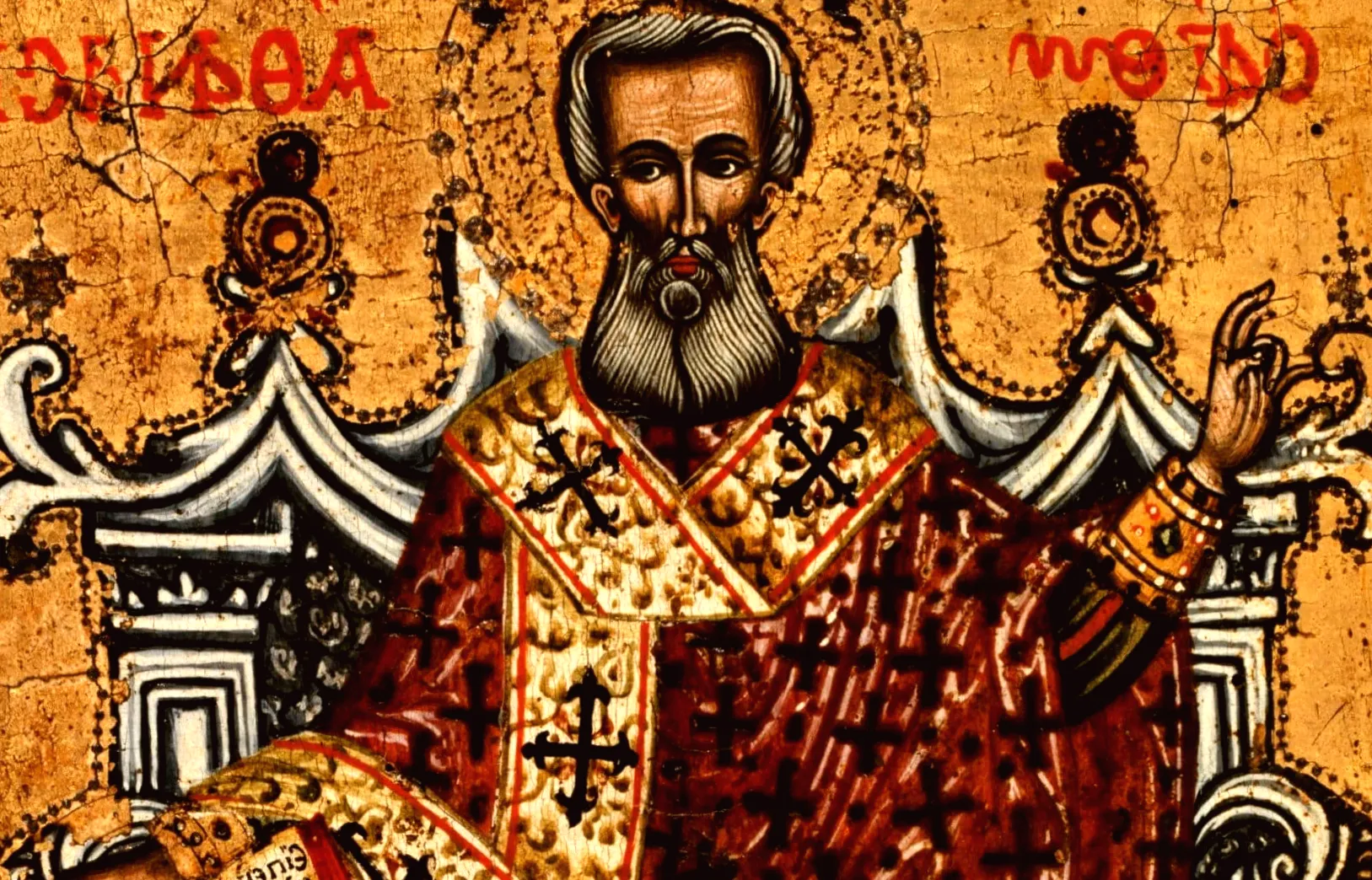
The aftermath of the Council of Nicaea was not without conflict. The Arian controversy persisted for decades, with some emperors taking sides with the Arians. Constantines endorsement of the Nicene Creed made its theological principles even more politically charged. St. Athanasius, the Patriarch of Alexandria, faced exile five times for defending the Nicene orthodoxy. The divisions were so intense that the history of the Church after Nicaea is often compared to the tensions following the Second Vatican Council in the 1960s, though the stakes in Nicaea were much higher.
It is noteworthy that Pope Leo, in his current appeal for Christian unity, invoked the Nicene Creed as a tool to overcome theological divisions. He encouraged Christians to move beyond theological controversies that have lost their relevance. Over the last 60 years, this spirit of reconciliation has led to progress in healing divides between churches once labeled as heretical, such as the Nestorian and Monophysite branches. While the Church of England still holds differences with Rome, both it and the Orthodox churches now profess the same Nicene faith, a unifying force that continues to guide Christianity today.
Author: Chloe Ramirez