

Uruguay approves deep-water oil exploration despite increasing environmental criticisms
- Last update: 3 hours ago
- 2 min read
- 912 Views
- WORLD
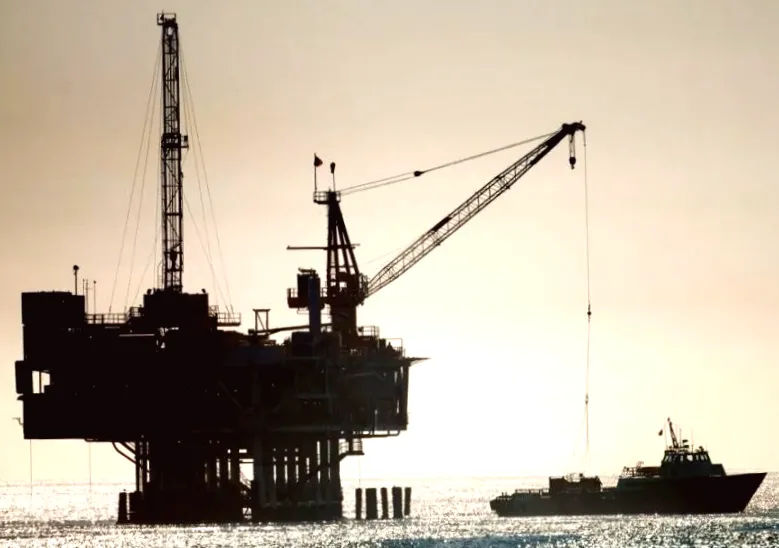
On December 2, Uruguays authorities granted permission to conduct seismic surveys in the South Atlantics deep waters to assess potential offshore oil deposits. The initiative has gained backing from major energy corporations but has sparked criticism from scientists and environmental advocates.
The exploration will take place hundreds of miles from Uruguays coast and involves companies including Apache, Petroleum Geo-Services, Compagnie Gnrale de Gophysique Veritas, Searcher, along with partners such as Shell, Chevron, Argentinas YPF, and Italys ENI.
The surveys employ air guns that emit extremely loud sound waves to map the ocean floor. With sound levels surpassing 250 decibels, the method raises alarms for marine species that rely on hearing, such as whales, dolphins, and other mammals. Scientists also caution about negative effects on fish, larvae, and zooplankton, which form the base of the ocean food chain.
As a precautionary measure, Uruguays Environment Ministry has required teams to suspend operations if marine life comes within 3,300 feet of survey vessels, a stricter threshold than the standard 1,640 feet. The final permit will include further restrictions designed to minimize ecological risks.
Despite these safeguards, environmental groups argue that the measures are inadequate. They have initiated legal proceedings to halt the surveys until a comprehensive, independent evaluation of potential cumulative impacts is completed, warning that the activity could irreversibly damage a highly sensitive South Atlantic ecosystem.
The controversy intensifies as the government considers establishing new marine protected areas, some overlapping with zones designated for exploration. These regions include underwater canyons and cold-water coral structures, which are recognized as delicate ecosystems with high ecological significance.
Environment Minister Edgardo Ortuo emphasized Uruguays plan to expand its marine protected zones to cover 30% of its maritime territory while defending the need to proceed with studies to explore the nations deep-sea energy prospects.
Amid the debate, Apache revealed plans to drill an exploratory well in 2026 more than 124 miles offshore, in waters exceeding 6,560 feet deep. YPF expressed optimism, likening the potential to recent oil discoveries off Namibia.
Author: Harper Simmons
Share

Denmark begins construction of rocket fuel facility for Ukraine
2 minutes ago 2 min read WORLD

Hamas to hand over body of one of last deceased Gaza hostages, official informs Reuters
2 minutes ago 1 min read WORLD

Suspect apprehended for involvement in stabbing incident
4 minutes ago 1 min read WORLD

Eighteen individuals detained for causing injuries with smoke bombs and fireworks at Tel Aviv derby
4 minutes ago 2 min read WORLD

This Day in History: Japan's Attack on Pearl Harbor
7 minutes ago 3 min read WORLD
Taliban rulers of Afghanistan conduct public execution at sports stadium in eastern city
9 minutes ago 2 min read WORLD

Christmas festivities come back to Bethlehem following 2 years of conflict in Gaza
10 minutes ago 3 min read WORLD

Ukraine launches unprecedented attacks on Russian energy facilities
11 minutes ago 1 min read WORLD

Expansion of Fáilte Ireland presents a 'fantastic opportunity' for Northern Ireland
14 minutes ago 3 min read WORLD

Homeless people 'would starve' without charity
17 minutes ago 3 min read WORLD