
WHO warns that progress in the fight against malaria has come to a halt
- Last update: 55 minutes ago
- 3 min read
- 594 Views
- WORLD
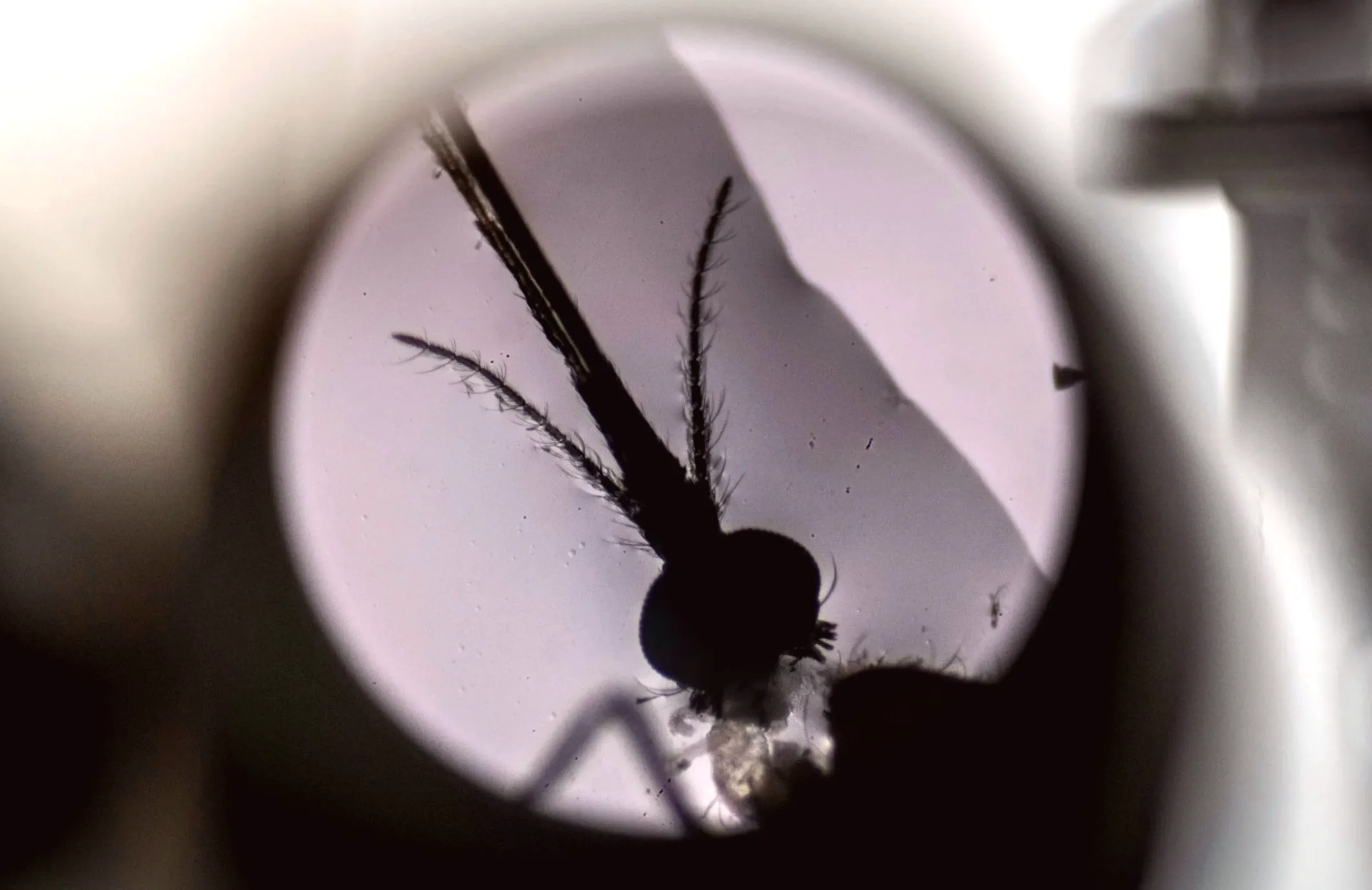
The global effort to combat malaria is losing momentum, with climate shifts, drug resistance, and reduced international funding giving mosquitoes an upper hand, the World Health Organization (WHO) has reported. The mosquito-transmitted disease, primarily affecting young children in Africa, caused 610,000 deaths in 2024, an increase from 598,000 the previous year, according to the WHOs annual malaria report released Thursday. Total cases climbed to 282 million, the highest since 2000.
We have long warned about stagnation, but the rise in cases is now unmistakable, stated Peter Sands, CEO of the Global Fund, which finances malaria control programs worldwide. There is a genuine danger of a large-scale resurgence that could reverse decades of progress and overwhelm healthcare systems.
Although global malaria mortality has dropped significantly since 2000, recent years have seen little progress. While 47 countries are now malaria-free, nations such as Ethiopia, Madagascar, Afghanistan, and Yemen are experiencing rising infection rates. Malaria control remains complex due to the dual challenge posed by both the parasite and its mosquito vectors.
The WHO links the diseases resurgence partly to climate change, which has created warmer, wetter environments favorable to mosquitoes, and has expanded the range of disease-carrying insects into new regions. Malaria may seem distant to many in wealthy countries, but complacency is dangerous, Sands added. Fifty years ago, it was still a threat in Southern Europe, and just 25 years before that, in the U.S. Climate change, resistance, and more aggressive mosquito species are driving diseases like dengue, chikungunya, and malaria into new areas.
Drug resistance is another major factor. Artemisinin, a cornerstone in malaria treatment, is now ineffective in at least eight countries, and resistance to pyrethroidsthe main insecticide used in bed nets and home sprayinghas emerged in 48 countries over the past five years.
Conflict and instability have further exacerbated the situation by hindering access to medications and bed nets, and by forcing populations into unsanitary camps where mosquito exposure is higher. Funding from wealthy nations has dropped by roughly 21% in the past year, jeopardizing Africas access to vaccines, bed nets, and other critical interventions.
If urgent action is not taken, 2026 could be even worse, with more cases and deaths, Sands warned.
Despite these challenges, new tools are providing hope. In 2024, two malaria vaccinesR21 and RTS,Swere rolled out in Africa, showing a reduction in mortality by 13% in pilot studies. Additionally, bed nets treated with the insecticide chlorfenapyr, which disables mosquitoes wings, have prevented an estimated 13 million cases so far, complementing older pyrethroid-based nets that target mosquito nervous systems.
WHO Director-General Dr. Tedros Adhanom Ghebreyesus emphasized, Innovations in malaria prevention bring renewed hope, yet the rising cases, drug resistance, and funding gaps threaten past gains. These challenges are not insurmountable. With strong leadership from affected countries and targeted investments, a malaria-free world is achievable.
Author: Zoe Harrison
Share

Unprecedented Alarm: Concern over memo from top US vaccine official
5 hours ago 4 min read POLITICS
Childhood mortality set to increase for the first time this millennium
1 days ago 1 min read BUSINESS
Gates Foundation: Increase in Child Mortality
1 days ago 2 min read BUSINESS
WHO warns funding cuts could lead to increase in malaria deaths in 2024
1 days ago 2 min read WORLD
Global health funding cuts lead to increase in child deaths, reversing decades of progress
2 days ago 3 min read WORLD
Experts warn of potential public health threat as disease-carrying pests show alarming trend
3 days ago 2 min read HEALTH
Democratic Republic of Congo declares end to latest Ebola outbreak
4 days ago 2 min read HEALTH

The eradication of malaria
4 days ago 4 min read HEALTH
Researchers warn of significant increase in prevalence of dangerous disease: 'Linked to nearly all types'
4 days ago 2 min read HEALTH

FDA official proposes changing vaccine approval process due to reported child deaths from Covid-19 shots
4 days ago 3 min read HEALTH