

FAA probes airlines for possible violations of flight reduction rules during government shutdown
- Last update: 54 minutes ago
- 2 min read
- 189 Views
- BUSINESS
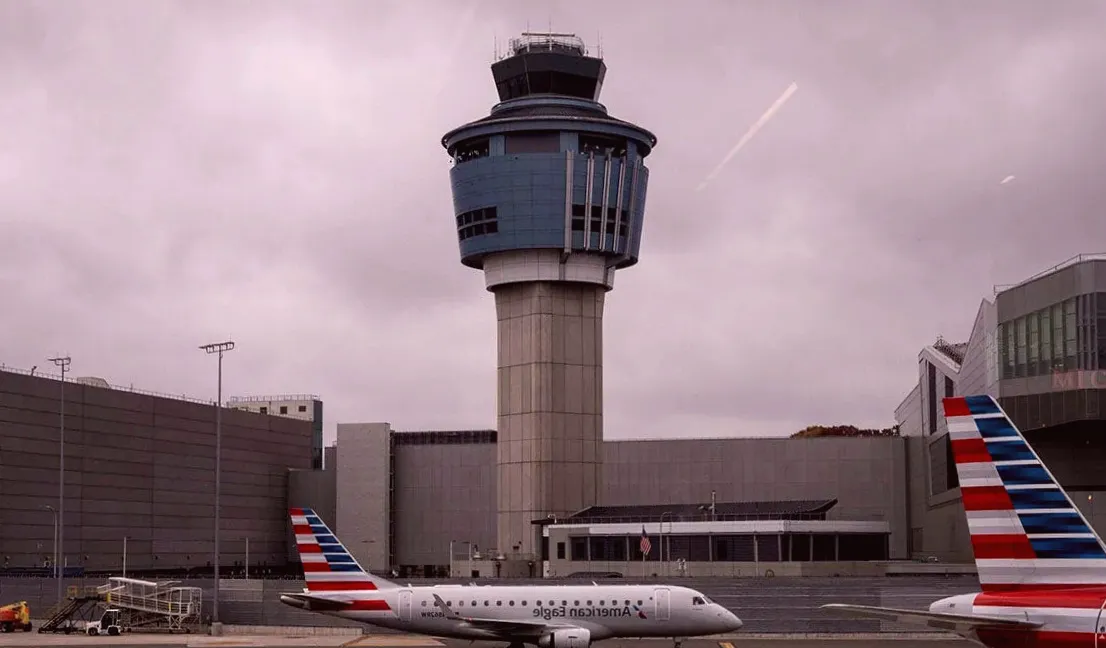
The Federal Aviation Administration (FAA) has announced it will examine whether U.S. airlines adhered to directives issued during the record-length government shutdown requiring flight reductions. The instructions were issued in November, after the shutdown had persisted for a month, amid concerns about dwindling air traffic control staff at major airports.
The emergency mandate impacted 40 key airports across the country, calling for flight reductions ranging from 3% to 6% per airline until the shutdown concluded on November 12.
In a letter sent to carriers on Monday, the FAA warned that airlines could face fines of up to $75,000 for each flight that exceeded the mandated limits during the shutdown period. Airlines have been given 30 days to demonstrate compliance with the flight reduction requirements.
During the 43-day shutdown, many air traffic controllers, like other federal employees, were not receiving pay, causing significant staffing shortages and raising safety concerns. On November 5, U.S. Transportation Secretary Sean P. Duffy and FAA Administrator Bryan Bedford held a press briefing to explain the necessity of these flight cuts.
The FAA lifted the restrictions on November 16, four days after the government resumed operations. Despite a required 6% reduction on November 14, only 2% of flights were actually canceled, according to Cirium, a flight data analytics company.
The flight reductions also resulted in substantial financial losses for airlines. Delta Airlines, for example, reported a $200 million loss between November 7 and November 16 while the mandate was in effect. Over 10,000 flights were canceled nationwide during the nine-day enforcement period.
Author: Chloe Ramirez
Share
FAA probes airlines for possible violations of flight reduction rules during government shutdown
54 minutes ago 2 min read BUSINESS

Workers from the Education Department who were laid off are coming back to address the backlog of civil rights cases.
6 hours ago 3 min read POLITICS
FAA begins investigation into US airlines for reducing flights during shutdown
6 hours ago 2 min read BUSINESS
FAA investigates US airlines for reducing flights during shutdown
6 hours ago 2 min read BUSINESS

Unions call on US judge to halt 1,300 State Department layoffs
13 hours ago 2 min read POLITICS
Delta resumes Detroit flights after a short pause
15 hours ago 1 min read US
Airlines could be fined heavily as FAA looks into missed flight reductions.
16 hours ago 2 min read US
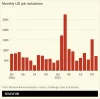
New data shows layoffs in the US have exceeded 1 million this year
21 hours ago 1 min read BUSINESS

IndiGo cancels hundreds of flights, worsening travel chaos in India.
21 hours ago 2 min read WORLD
Indian airline cancels over 300 flights due to 'staff shortage'
1 days ago 2 min read BUSINESS