

'Rosemead' Critique: Lucy Liu Immerses Herself in Overwhelming Misery
- HOME
- ENTERTAINMENT
- 'Rosemead' Critique: Lucy Liu Immerses Herself in Overwhelming Misery
- Last update: 1 days ago
- 3 min read
- 624 Views
- ENTERTAINMENT
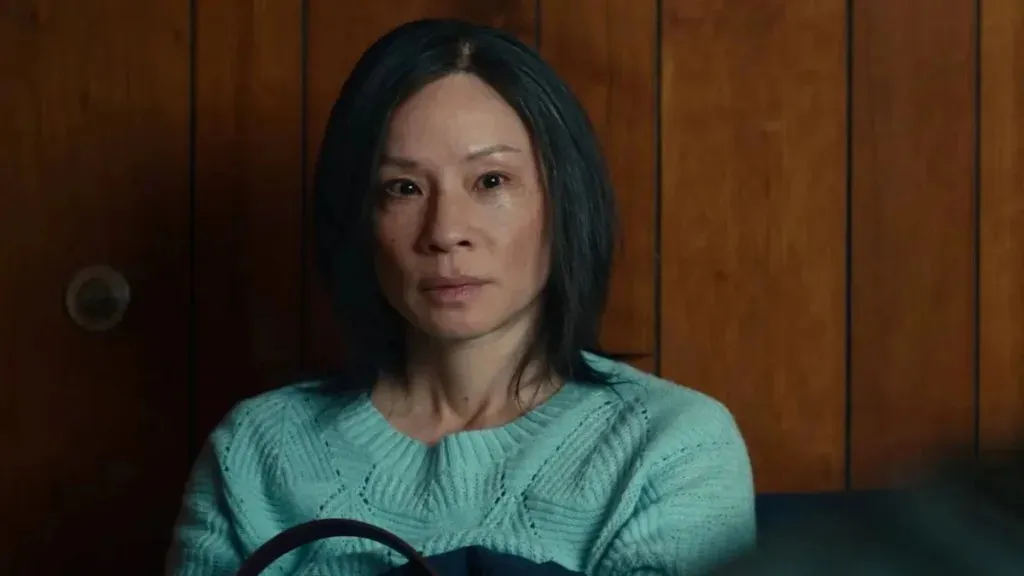
Eric Lins film Rosemead opens with Lucy Liu portraying a widow who operates a small print shop in Southern California. Her subtle cough signals immediately that she is facing terminal illness. In cinema, certain gestures carry unspoken meaning: a cough without context often implies a serious disease, much like how an unexpected scene of vomiting usually suggests pregnancy.
Lius character, Irene, lost her husband a few years earlier and is now confronting her mortality. Her teenage son, Joe (played by Lawrence Shou), struggles with untreated schizophrenia and harbors an unhealthy fixation on school shootings. The movie offers no relief or comfort; it is stark, unflinching, and unapologetically bleak.
Though based on true events, the film could easily be criticized for being heavy-handed. The filmmakers deliberately chose this somber, unrelenting material, presenting layers of tragedy and sorrow. Irenes journey only grows more harrowing as the story unfolds, creating a narrative that is challenging to watch.
In Los Angeles, the American Cinematheque hosts an annual Bleak Week, dedicated to the most sorrowful films, such as John McNaughtons Henry: Portrait of a Serial Killer and Isao Takahatas Grave of the Fireflies. Rosemead fits comfortably within this tradition of cinema designed to confront audiences with raw human suffering.
The film also comments on the rarity of confronting grim realities in mainstream American cinema, which often favors lighthearted or escapist entertainment. Rosemead functions as a stark reminder of lifes unpredictability, its harshness, and the fragility of personal circumstances.
Marilyn Fus screenplay is careful to avoid broad moralizing, focusing instead on Irenes very specific and personal tragedy. The narrative does tread close to controversial territory by depicting Joes schizophrenia alongside disturbing behaviors related to school violence. Dr. Hsu (James Chen) reassures Ireneand the audiencethat most individuals with schizophrenia are not violent, but the film visually emphasizes Joes danger, leaving this tension unresolved.
Irenes attempts to manage her sons condition are limited and ultimately flawed. Dr. Hsus guidance is insufficient, placing the responsibility squarely on Irene, whose solutions are problematic. While the film makes a point about the unpredictability of mental illness, it sometimes struggles to navigate the fine line between awareness and sensationalism.
Lucy Liu delivers a committed performance, fully embodying Irenes anguish with emotional depth. Lawrence Shou similarly immerses himself in the role of Joe, evoking sympathy and heartbreak, regardless of the audiences understanding of schizophrenia.
As a film, Rosemead is effective in evoking despair but may leave viewers questioning what, if anything, they are meant to take away beyond the intensity of suffering. It highlights the lack of control we have over lifes challenges, both mental and physical, and presents a grim meditation on hardship.
Ultimately, while Rosemead succeeds in its emotional impact, its relentless bleakness may not provide sufficient insight or catharsis for all viewers. It is a functional exploration of sorrow, yet its depth is limited, leaving audiences to wrestle with the discomfort it provokes without clear guidance.
Author: Riley Thompson