
This boy has a magical heart - it belonged to my son who passed away 10 years ago
- HOME
- ENTERTAINMENT
- This boy has a magical heart - it belonged to my son who passed away 10 years ago
- Last update: 5 hours ago
- 3 min read
- 645 Views
- ENTERTAINMENT
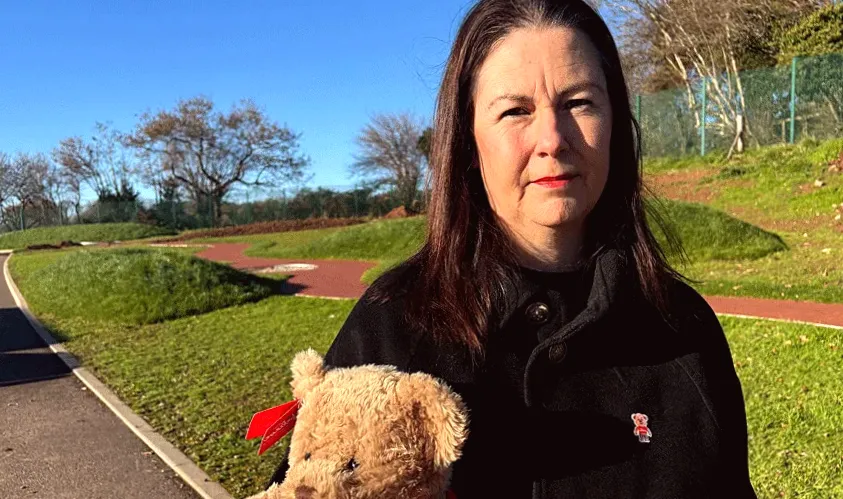
Anna-Louise Bates shares a profound connection with young Roman, whose "magical heart" is no exaggeration. This heart once belonged to her son Fraser, who tragically passed away ten years ago after being struck by a vehicle.
Fraser, aged seven, and Mrs Bates husband Stuart lost their lives in a road accident in Talbot Green, Rhondda Cynon Taf. Their deaths coincided with the introduction of a pioneering organ donation law in Wales, designed to boost donor numbers.
While the legislation initially increased consent rates by around 15%, experts note its impact has waned over time. Mrs Bates continues to advocate for breaking the stigma surrounding organ donation, hoping to save children like Roman.
Through her charity, Believe Organ Donation Support, she recently inaugurated a memorial garden at Thornhill Cemetery in Cardiff. The garden features grassy mounds shaped like organshearts, livers, and kidneyssurrounded by fruit trees, symbolizing life and remembrance.
"Romans mother and I share a close bond," Mrs Bates explained. "We are connected through this miraculous heart. It carries joy, resilience, and the memory of my son." She emphasized that Frasers donated organs have profoundly impacted lives, showing that "the heart truly can continue beating in another."
Romans mother, Zoe, described the intense 10-month wait for a heart transplant, highlighting the emotional highs and lows until the life-saving call finally came.
Wales was the first UK nation to implement the "soft" opt-out system on December 1, 2015, presuming consent for organ donation unless explicitly refused. Despite initial gains, the consent rate has now fallen to its lowest level in a decade.
Mrs Bates believes the reluctance to discuss organ donation remains a major barrier. Her family faced these decisions shortly after the legislation passed, following the loss of her husband and son just after a family Christmas party. Fraser succumbed to head injuries at Bristol Childrens Hospital, while Stuart was pronounced dead at the scene.
"I had recently spoken to Stuart about joining the organ donor register, so making the decision to donate was clear," she recounted. "Even amid tragedy, I could honor their wishes."
She describes the loss of her husband and son as "every parents worst nightmare," adding that the reality still feels surreal after a decade.
The memorial garden in Cardiff stands as a tribute to donors, including Fraser, and underscores the importance of open discussions about organ donation. Mrs Bates stresses that legislation alone is insufficient; families must engage in these conversations to ensure wishes are known and respected.
She observes that children often perceive organ donation as a "gift of life," while adults may avoid the topic due to its association with death. NHS Blood and Transplant notes that presumed consent is not a complete solution, and societal, cultural, and logistical factors all influence donation rates.
Experts advocate for normalizing organ donation as part of everyday life and end-of-life planning, ensuring that conversations and education support the laws intent.
Author: Riley Thompson