

Understanding birthright citizenship: Key points to know following Supreme Court decision to hear appeal
- Last update: 41 minutes ago
- 2 min read
- 924 Views
- POLITICS
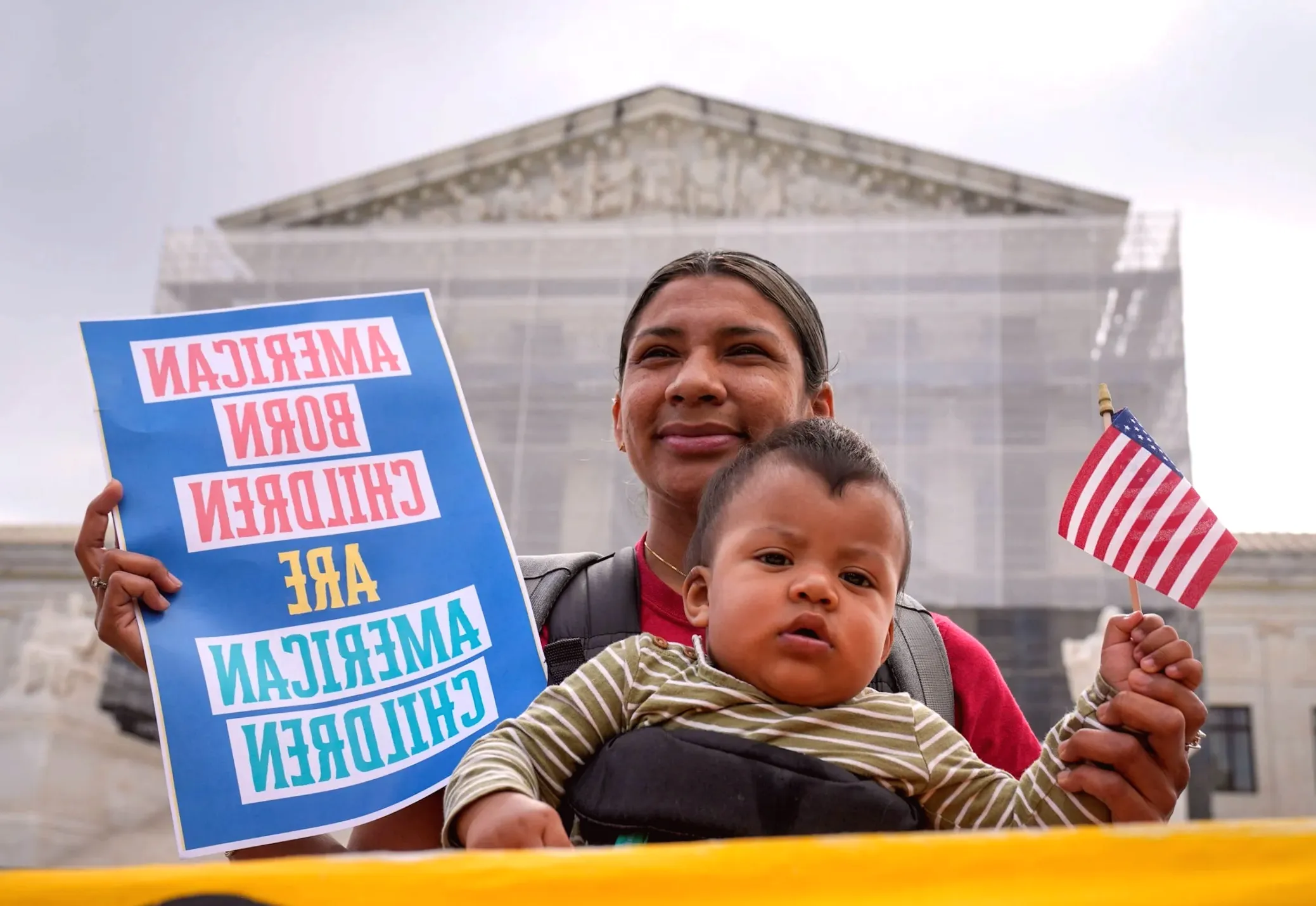
On Friday, December 5, while President Donald Trump attended the 2026 FIFA World Cup draw, the Supreme Court announced it would examine an appeal that could determine whether Trump has the authority to limit birthright citizenship for certain children born in the United States. The court will review a lower court's decision that dismissed Trump's claim that children born to parents who are in the country illegally or temporarily should not automatically receive citizenship.
Since his campaign, Trump has stated his intention to reinterpret the 14th Amendment, suggesting that citizenship should apply only to those born in AND 'subject to the jurisdiction' of the United States.
Following the Supreme Courts announcement, the American Civil Liberties Union (ACLU) criticized the administrations attempt to restrict birthright citizenship, calling it a violation of the Constitution. Cecillia Wang, ACLUs national legal director, emphasized that No president can alter the 14th Amendments guarantee of citizenship.
What Is Birthright Citizenship?
The 14th Amendment, ratified in 1868 after the Civil War, granted citizenship and equal protections under the law to formerly enslaved individuals. It declares: All persons born or naturalized in the United States and subject to the jurisdiction thereof, are citizens of the United States and of the State wherein they reside.
For over 150 years, this principle has ensured that anyone born on U.S. soil is automatically a citizen, regardless of whether their parents are citizens, legal residents, or undocumented immigrants.
Impact of Ending Birthright Citizenship
Research from the Migration Policy Institute and Penn States Population Research Institute estimates that ending birthright citizenship could leave around 255,000 children born in the U.S. without citizenship each year. Additionally, the number of unauthorized immigrants in the country could rise by 2.7 million by 2045 and 5.4 million by 2075.
In 2022, Pew Research Center reported that approximately 4.4 million U.S.-born children under 18 live with at least one unauthorized immigrant parent.
Author: Logan Reeves
Share

SCOTUS Faces Major Challenge in Determining If It Is Trump’s Court
28 minutes ago 3 min read POLITICS

Interpretation of one phrase will determine Supreme Court's decision on birthright citizenship
8 hours ago 3 min read BUSINESS
The Supreme Court to review the most unconstitutional action taken by Trump
8 hours ago 3 min read POLITICS

Supreme Court to consider case on birthright citizenship
8 hours ago 2 min read POLITICS

Supreme Court to rule on legality of Trump's attempt to restrict birthright citizenship
8 hours ago 3 min read POLITICS

Supreme Court to determine if Trump has the power to limit birthright citizenship
8 hours ago 3 min read POLITICS

Trump's executive order on birthright citizenship goes to the Supreme Court
9 hours ago 2 min read POLITICS

Supreme Court Allows Trump to Move Closer to Ending Birthright Citizenship
9 hours ago 2 min read POLITICS

Supreme Court to determine if Trump can restrict birthright citizenship constitutional right
9 hours ago 3 min read POLITICS

US Supreme Court to consider Trump's attempt to eliminate birthright citizenship
10 hours ago 2 min read POLITICS