

Here's the Reason Behind the Proposed Law Requiring Speed Limiters in Cars
- Last update: 1 hours ago
- 2 min read
- 586 Views
- US
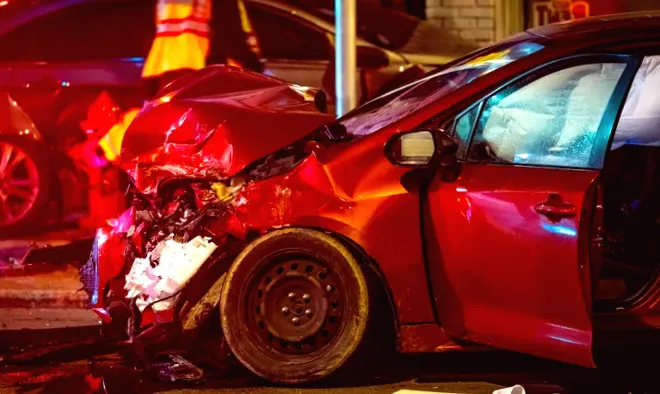
Speeding-related accidents claim the lives of around 32 people daily in the United States, based on 2023 statistics from the National Safety Council. In response, Wisconsin lawmakers are exploring measures to reduce these fatalities and injuries by targeting drivers with a history of reckless behavior.
A bill introduced on October 23, 2025, proposes mandating speed-limiting devices for drivers who have accumulated at least two reckless driving convictions within a five-year period. These devices would remain installed for one year, restricting speed to no more than 20 miles above the posted limit. The goal is to hold repeat offenders accountable while promoting safer driving habits.
The initiative is modeled on the principle that monitoring driving behavior can improve safety, similar to how apps that track speed encourage more responsible driving. Proponents argue that this approach protects the public without unduly punishing otherwise safe drivers.
Wisconsins Traffic Safety Context
Data from LendingTree in 2025 highlights Wisconsin as the fifth state for speed-related incidents and 15th for overall driving incidents. Drivers required to use these devices must cover installation and maintenance costs for the year, which could reach up to $1,700, though financial assistance may be available for those in need. Tampering with the device could result in fines or jail time.
The bill is sponsored by Senator Chris Larson, known for advocating progressive policies, and Representative Russell Goodwin, who has experience in private law enforcement. The legislation is currently under discussion and has not yet become law.
Debate Over Speed Limiters
Supporters of the bill emphasize its potential to reduce accidents by limiting the actions of drivers who have already demonstrated dangerous behavior. The measure allows these drivers to maintain some independence while still facing consequences.
Opponents raise concerns about cost, privacy, and emergency situations where exceeding the speed limit may be necessary. They suggest alternatives such as more widespread use of speed cameras. The device would still allow speeds up to 20 miles per hour above the limit for urgent circumstances.
For drivers with a safe record, no changes would occur, though overall road safety could improve. For repeat offenders, these devices may become a mandatory part of their vehicles.
Author: Noah Whitman
Share

Chile joins countries banning smartphone use during class
13 minutes ago 2 min read US

Man faces charges in connection with death of 32-year-old in Inverness
18 minutes ago 1 min read US

3 Important Food Recalls to Be Aware of This Week
19 minutes ago 2 min read US

The transformation of an Olympic snowboarder into one of the FBI's most wanted fugitives
19 minutes ago 3 min read US

New York Sweepstakes Gaming Ban Bill Reaches the Desk of Hochul
21 minutes ago 2 min read US

Council looks for contractor to remove flags following staff abuse.
43 minutes ago 2 min read US

8-Year-Old Girl Identified as Victim in California Birthday Party Mass Shooting Just 2 Weeks Before Turning 9
56 minutes ago 2 min read US

Medical professionals caution about the surge in 'Holiday Heart Syndrome' and other heart-related problems this month. Here's the reason.
56 minutes ago 3 min read US

Luigi Mangione's testimony captured in audio and images
57 minutes ago 2 min read US

Video: Oklahoma dog has the longest tongue in the world at 7 inches
1 hours ago 1 min read US