

Archaeologists Discover Sacrificial Necropolis Containing Cache of Relics
- Last update: 1 hours ago
- 2 min read
- 898 Views
- WORLD
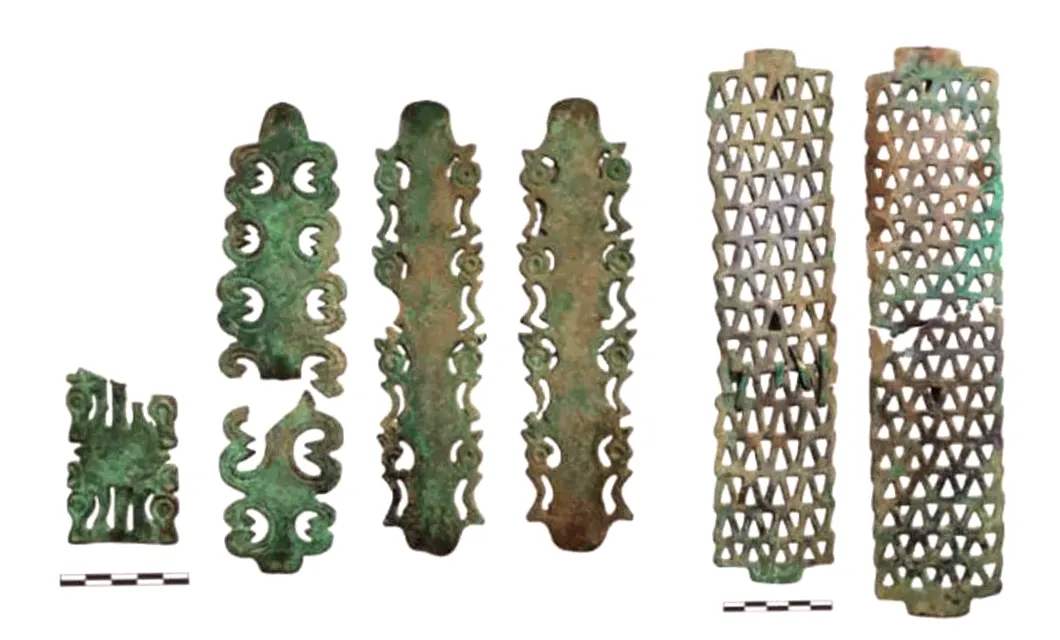
Archaeologists from the Russian Academy of Sciences' Institute of Archaeology have uncovered an extraordinary necropolis at Vysokaya Mogila-Studenikin Mar in Russias Orenburg Region.
Massive Necropolis in the Southern Urals
Located in the Southern Ural Mountains, the site is a large sacrificial complex containing over 100 bronze items, gold decorations, and rare horse equipment once used by elite nomadic groups during the 4th century B.C. The Ural Archaeological Expedition conducted the excavations during the summer.
Experts have described this necropolis as the largest early nomadic burial site ever discovered in the area.
Rich Collection of Artifacts
The treasures were found in a shallow circular pit and include complete horse bridles with iron bits, horn and metal cheek-pieces called "psalia," iron girth buckles, bridle harnesses, and ornaments made of bronze and bone. In total, the site yielded 100 significant artifacts and about 500 smaller decorative items.
Among the most notable finds were twelve flat circular plaques adorned with detailed dotted patterns, swastikas, birds, and mythical creatures.
Ritual Objects and Burial Practices
Additional discoveries, such as a ritual wooden bowl with silver fittings, boar jawbones, and a broken ceramic vessel, suggest the necropolis was used for both burial and post-burial ceremonies. Dating indicates these rituals occurred from the late 4th century to the early 3rd century B.C., a time when nomadic elites dominated the Southern Ural region.
Unique Finds and Cultural Connections
Many of the items, including the plaques and some horse equipment, are the first of their kind discovered in the region. Archaeologists noted that these artifacts, used by the wealthiest individuals, have direct parallels with items found in the North Caucasus, Don, and Northern Black Sea regions. This division of artifacts highlights extensive cultural networks connecting Iron Age nomadic societies across the Eurasian steppe.
Author: Lucas Grant
Share

Human Rights Watch condemns FIFA's Peace Prize
6 seconds ago 2 min read WORLD

At least 11 people dead in South Africa mass shooting
1 minutes ago 1 min read WORLD

5 dead and 8 wounded in overnight clash at Afghan-Pakistan border, officials confirm
2 minutes ago 2 min read WORLD

Schools rename Christmas jumper day to 'Winter' jumper day
5 minutes ago 2 min read WORLD

Mother grieves for 8-year-old daughter killed in birthday party mass shooting, lamenting that she 'should have had a long life'
6 minutes ago 2 min read WORLD

Suspect accused in murder of AFP's Gambia correspondent
9 minutes ago 3 min read WORLD

Man released on bail after assaulting one victim, rapes another
13 minutes ago 1 min read WORLD

Germany's Chancellor Merz makes inaugural trip to Israel
15 minutes ago 4 min read WORLD

India Hicks, Princess Diana's Bridesmaid, Reveals Cancer Diagnosis at 58
25 minutes ago 2 min read WORLD
Report: RSF claims Sudanese forces targeted vital border crossing near Chad
26 minutes ago 2 min read WORLD