

IPCC chief urges UN scientists to be 'clear' on human impact to combat climate denial
- Last update: 12 hours ago
- 2 min read
- 870 Views
- WORLD
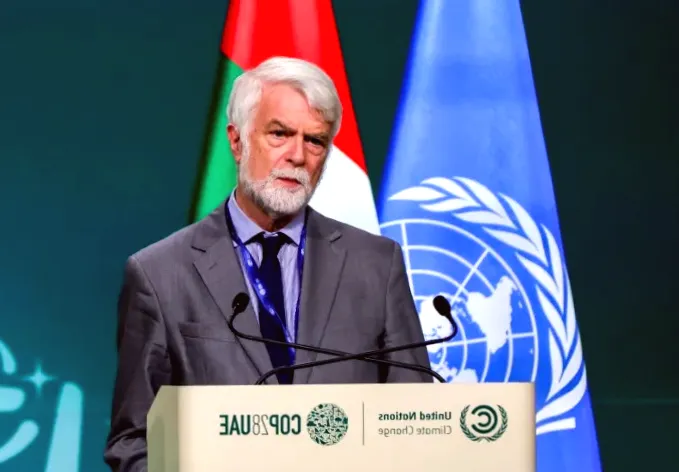
As climate change skepticism persists, including claims by some political leaders that it is a hoax, the UN's climate science organization must communicate unequivocally that human activity is warming the planet, said the chair of the Intergovernmental Panel on Climate Change (IPCC).
Jim Skea, a Scottish professor leading the IPCC, spoke after a five-day meeting near Paris, which brought together over 600 scientists to begin drafting the next major UN climate report. The final report is expected to be published between 2028 and 2029.
Founded in 1988, the IPCC produces comprehensive assessments of global climate research every five to seven years, providing guidance for policymakers and supporting international climate negotiations.
Steps to Limit Global Warming
Skea emphasized that returning global warming to the 1.5C target requires significant emissions reductions in both energy production and land use. Additionally, large-scale carbon dioxide removal will be essential, though scientific understanding in this area is still developing.
Support from France
The IPCC received strong backing from the French government during the Paris meeting. Skea highlighted that support from President Emmanuel Macron and senior ministers provided scientists with encouragement, boosting their confidence and motivation for the upcoming work.
Communicating Science Amid Skepticism
In the face of climate denial, Skea stressed the importance of clear communication: the science shows unequivocally that human activities are driving climate change. Multiple lines of evidence reinforce this message, which the IPCC aims to convey to the public effectively.
US Participation and Report Approval
Although the US government is not directly funding American scientists in the IPCC process, nearly 50 US authors participate, supported by philanthropic organizations. Skea noted that final report approvals are always challenging, requiring agreement between scientists and governments, but historically the process has successfully overcome these difficulties.
Report Timing and Global Climate Summits
Countries are debating whether the next IPCC assessment should be published in 2028 to align with the COP33 summit in India, or in 2029. Skea indicated that the timeline should balance the time required for thorough scientific assessment with the needs of governments, ensuring the report remains credible and complete.
Message to Governments and the Public
As the new assessment cycle begins, Skea urged patience and attention. He highlighted emerging research areas and knowledge gaps, including strategies for limiting warming to 1.5C in the long term, which will be addressed in the upcoming report.
Author: Logan Reeves
Share

Video of Nigerian customs officer justifying feeding bandits is outdated
4 minutes ago 3 min read WORLD

Have We Finally Moved Beyond the "Jaws Effect?"
12 minutes ago 2 min read WORLD
The Royal Family's Best Photos from the German State Banquet at Windsor Castle
14 minutes ago 2 min read WORLD

Tragic Accident: 6-Year-Old Boy Fatally Struck by School Bus During Drop Off, Leaving Community Devastated
18 minutes ago 2 min read WORLD

Prince George remains unfazed by his future responsibilities as a future king — Source
20 minutes ago 2 min read WORLD

Flavio Bolsonaro announces candidacy for Brazil’s 2026 presidential election endorsed by his father
22 minutes ago 4 min read WORLD
Leader of Lithuanian governing party convicted for inciting hatred against Jews
24 minutes ago 2 min read WORLD
Putin promises Russia will take control of Donbas region by any means necessary, while Ukrainians gear up for new US peace negotiations
25 minutes ago 3 min read WORLD

Attracted by high-paying job opportunities, Kenyans demand the return of their sons sent to fight for Russia.
32 minutes ago 6 min read WORLD

3-Year-Old Ryker Webb's Life After Surviving 2 Days Alone in the Wilderness
33 minutes ago 3 min read WORLD