

Opinion - Mexico is taking a stand against gun violence, starting with the US
- Last update: 5 days ago
- 4 min read
- 15 Views
- WORLD
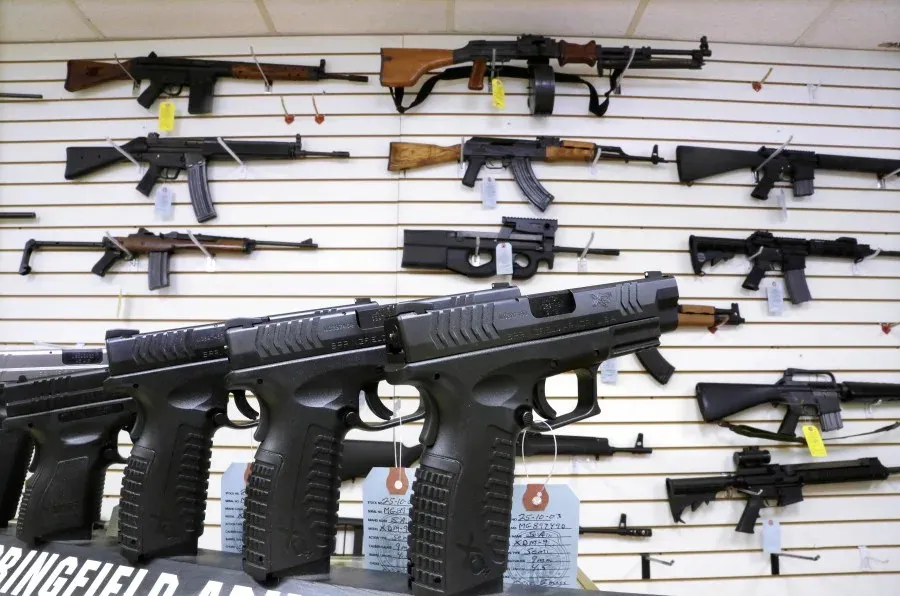
With more than 378 mass shootings recorded in the United States this year, it is easy to overlook that rising gun violence is a worldwide concern. Communities in both the U.S. and Mexico face the same threat, and it stems from a shared source: the U.S. remains a major supplier of illegally trafficked firearms. These weapons flow heavily into Mexico and the Caribbean, escalating violence and boosting homicide rates.
Under President Claudia Sheinbaum, Mexico has doubled its rate of illegal firearm seizures compared with the previous administration, confiscating over 17,000 weapons in the past year. Data from Mexicos Security Ministry indicates that 70 percent of these guns originated in the United States. Most firearms smuggled across the U.S.Mexico border come from American gun stores supplied by domestic manufacturers.
Acknowledging this cross-border flow, U.S. Secretary of State Marco Rubio announced in late September a historic joint initiative between the U.S. and Mexico aimed at strengthening cooperation to fight gun trafficking. This development comes after years of urging the United States to recognize its responsibility in halting the movement of weapons to cartels and criminal groups abroad.
A major turning point occurred in 2021 when the Mexican government filed a lawsuit against eight American gun manufacturers, including Smith & Wesson, accusing them of negligent practices that allow firearms to enter criminal networks. Although the U.S. Supreme Court halted the case this summer, the lawsuit marked a significant milestone by highlighting the role of gun companies in the trafficking chain.
Mexico argues that manufacturers knowingly distribute weapons through dealers with poor track recordssuppliers long linked to traffickers who funnel guns to drug cartels. The lawsuit emphasized that industry insiders and law enforcement had repeatedly warned these companies to cut ties with problematic dealers. Despite this, an estimated 250,000 to 500,000 firearms are illegally trafficked from the U.S. into Mexico each year.
Although the case aligned with both U.S. and Mexican legal principles and had support from an appeals court, the Supreme Court ruled that it was blocked by the Protection of Lawful Commerce in Arms Act, which grants gun makers special immunity not available to other industries. Still, the ruling was narrow and did not provide the sweeping protections manufacturers sought, allowing future lawsuits to proceed with stronger evidence.
Following this, Mexico filed a second lawsuit targeting five gun dealers in Arizona accused of feeding the trafficking network. This case continues and has entered the discovery phase. The legal strategy may open new avenues for curbing illegal gun flows where previous approaches have proven ineffective.
Mexicos legal actions have sparked wider debate across the Western Hemisphere, prompting discussions about the gun industrys responsibility and earning support from regional leaders. These efforts have the potential to benefit not only Mexico, but also the United States.
In 2023, the United Nations High Commissioner for Human Rights published its first report addressing the role of gun manufacturers in global violence. Mexico has also requested an advisory opinion from the Inter-American Court of Human Rights on issues related to industry accountability, with a decision expected soon.
U.S. lawmakers have taken notice as well. In 2022, Congress passed the Bipartisan Safer Communities Act, whichfor the first timecriminalized cross-border gun trafficking. Both the Biden and Trump administrations have acknowledged the U.S.s responsibility to limit the outflow of illegal firearms, and the Mexican lawsuits have drawn public awareness to the issue.
The pursuit of accountability and meaningful reform is far from complete, but it is actively advancing through diplomacy, bilateral cooperation, regional pressure, and litigation aimed at those who enable the illegal gun trade. Sustained progress across all of these fronts will be essential to ending the cycle of gun trafficking.
Author: Sophia Brooks
Share

Germany's Chancellor Merz makes inaugural trip to Israel
16 seconds ago 4 min read WORLD

India Hicks, Princess Diana's Bridesmaid, Reveals Cancer Diagnosis at 58
10 minutes ago 2 min read WORLD

Report: RSF claims Sudanese forces targeted vital border crossing near Chad
10 minutes ago 2 min read WORLD
Charities applaud new legislation prohibiting puppy smuggling
21 minutes ago 5 min read WORLD

Russia remains firm on Trump peace deal, no compromise reached yet.
22 minutes ago 2 min read WORLD

Qatari prime minister describes Gaza talks as 'critical' moment
29 minutes ago 1 min read WORLD

Two additional individuals apprehended following sexual assault on runner
32 minutes ago 1 min read WORLD

Ombudsman uncovers police shortcomings in IRA attacks investigation
39 minutes ago 4 min read WORLD

Two Teenagers Survive 7 Days Lost at Sea by Eating 100 Jellyfish, Clinging Together for Warmth and Hunger
41 minutes ago 3 min read WORLD
Museum staff left heartbroken as drawings worth £500,000 are destroyed
43 minutes ago 2 min read WORLD