

Pest control work requires hospital to relocate services
- Last update: 28 minutes ago
- 2 min read
- 985 Views
- WORLD
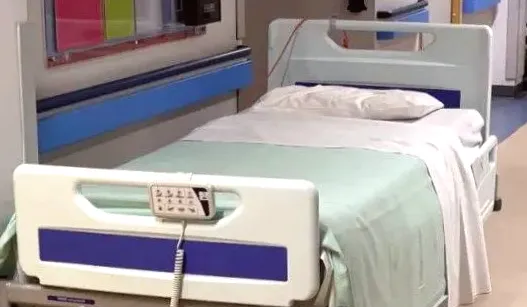
Due to a pest control problem, Ramsey and District Cottage Hospital (RDCH) in the north of the Isle of Man is temporarily closing its minor injuries unit and relocating several other services. The changes are scheduled to start on 15 December and continue until the end of April at the latest.
Earlier in October, the Martin Ward at RDCH was closed for refurbishment after pests were discovered in the roof area. The hospital has not provided further details about the infestation.
The current phase of work will involve deep cleaning, inspections of other areas, and structural improvements. The refurbished Martin Ward will host skin clinics, blood tests, ECGs, and various outpatient services, enabling maintenance work in other parts of the hospital.
Patients needing treatment for minor illnesses or injuries, including X-rays, will be redirected to the emergency department at the islands main hospital in Braddan. Additionally, renal services will be moved to Noble's Hospital, while podiatry and physiotherapy clinics will operate from the Central Community Health Centre on Westmoreland Road in Douglas.
Tissue viability clinics providing wound care will be relocated to Peel GP Practice and Jurby Health Centre. Bone density scans and phototherapy treatments will be suspended during this period. Plans for dental outpatient services have not yet been finalized.
Inpatients normally treated on Martin Ward, which serves patients requiring rehabilitation, respite care, and treatment for various conditions, will continue to receive care at Noble's Hospital.
Manx Care chief executive Teresa Cope emphasized that the northern hospital remains a vital hub for healthcare on the island, and the temporary relocation of services is a necessary step to ensure the safety and comfort of both patients and staff.
Author: Gavin Porter
Share

Volunteers needed for winter tree planting
45 seconds ago 2 min read WORLD

Trump is increasing anti-immigrant rhetoric from 'criminals' to 'garbage'
49 seconds ago 3 min read WORLD

Venezuela's Machado promises to attend Nobel Peace Prize ceremony
2 minutes ago 2 min read WORLD

Violence erupts in Italian port town as Israeli tourists clash with pro-Palestinian protesters
7 minutes ago 1 min read WORLD

Hong Kong police detain man for online comments about fatal fire
8 minutes ago 3 min read WORLD

Scottish Conservative peer switches allegiance to Reform UK
10 minutes ago 1 min read WORLD

South African Airways Signs Codeshare Agreement with Angola's TAAG
11 minutes ago 2 min read WORLD

Putin initiates large-scale drone strike following refusal of peace agreement
13 minutes ago 3 min read WORLD

Christmas singing statue stolen from funeral home
14 minutes ago 2 min read WORLD

Canine aids owner in fleeing house fire in Germany
17 minutes ago 1 min read WORLD