

Emerald Fennell Aims for Her Controversial Adaptation of "Wuthering Heights" to Be the "Titanic" of This Generation - Sparking Discussions
- HOME
- ENTERTAINMENT
- Emerald Fennell Aims for Her Controversial Adaptation of "Wuthering Heights" to Be the "Titanic" of This Generation - Sparking Discussions
- Last update: 1 days ago
- 3 min read
- 490 Views
- ENTERTAINMENT
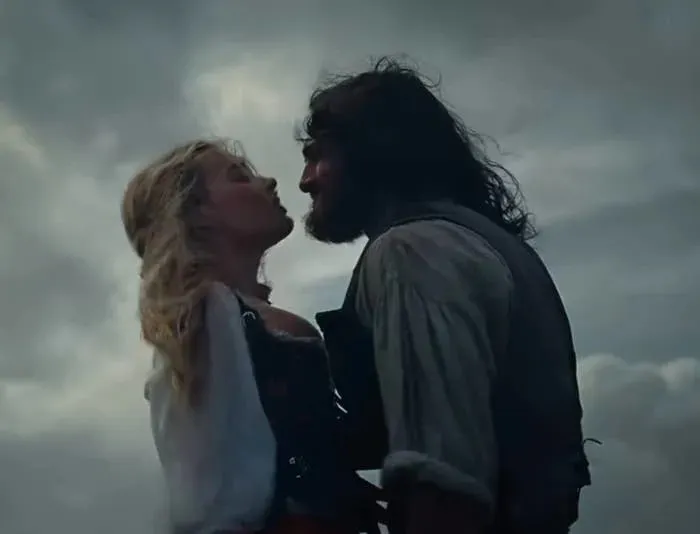
Emerald Fennells upcoming film adaptation of Emily Bronts classic 1847 novel Wuthering Heights has sparked intense debate since its announcement last year, largely due to casting choices. Margot Robbie, 35, has been cast as the 18-year-old Catherine Earnshaw, while Jacob Elordi plays Heathcliff, a character historically depicted with dark skin. Many fans expressed concern that Robbie is too old for the role and that Elordi does not align with the character's traditional description.
In the novel, Heathcliffs ethnicity is somewhat ambiguous. He is described at one point as a little Lascar, a term for a sailor from Southeast Asia, and later as a ragged, black-haired child as dark almost as if it came from the devil. Historically, however, most portrayals of Heathcliff have featured white actors, except for the 2011 film starring James Howson.
The casting controversy intensified in April when Kharmel Cochrane, the films casting director, defended Robbie and Elordi during a Q&A at the Sands Film Festival in Scotland. Cochrane argued that strict adherence to Bronts descriptions wasnt necessary, stating that Wuthering Heights is just a book. She explained, If something is clearly written as white, for example, a script reads she tied her blonde hair back, but theres no specific reason for it, I will just put people on tape Years ago, I would get people saying, Did you read the brief? And Id say yeah, and this is my interpretation of it, just like when you can read a book.
Cochrane also teased that set design would shock traditionalists further, suggesting that fans of English literature might be unsettled by the visual approach. When the first trailer debuted in September, fan speculation grew, with some suggesting a plot twist where Robbie and Elordis characters might not directly portray Catherine and Heathcliff in a conventional sense. Observers noted discrepancies in costume design, with some outfits reflecting the late 1700s and others Victorian-era fashion, fueling theories of a meta-narrative or imaginative retelling.
As the February 13 release date approaches, anticipation and skepticism remain high. In a recent British Vogue interview, Margot Robbie shared Fennells ambitious vision for the film. Fennell hopes the movie becomes this generations Titanic, describing a desire to evoke the same passionate, repeated cinema-going experience she had with Romeo & Juliet as a teenager. Robbie added that the film is designed to appeal to groups of women seeing it together, as well as serving as a compelling date movie.
Online reactions to Fennells aspirations were immediate and strong. Many social media users expressed disbelief and amusement at the comparison to Titanic, with some calling Fennell a rage-baiter and others commenting on the provocative nature of her bold vision. Despite mixed opinions, excitement continues to build around how Fennell and her team will reinterpret the story for modern audiences.
Author: Noah Whitman
Share

Margot Robbie reassures audience about “Wuthering Heights” casting: 'Trust me, you'll be happy'
23 hours ago 2 min read ENTERTAINMENT

Margot Robbie reveals director's goal for 'Wuthering Heights' to become the 'Titanic' of this generation, hints at intimate scenes with Jacob Elordi
1 days ago 2 min read ENTERTAINMENT

Emerald Fennell Aims for Her Controversial Adaptation of "Wuthering Heights" to Be the "Titanic" of This Generation - Sparking Discussions
1 days ago 3 min read ENTERTAINMENT