

The unusual Wild West story of the first cow-buffalo mix
- HOME
- ENTERTAINMENT
- The unusual Wild West story of the first cow-buffalo mix
- Last update: 30 minutes ago
- 4 min read
- 458 Views
- ENTERTAINMENT
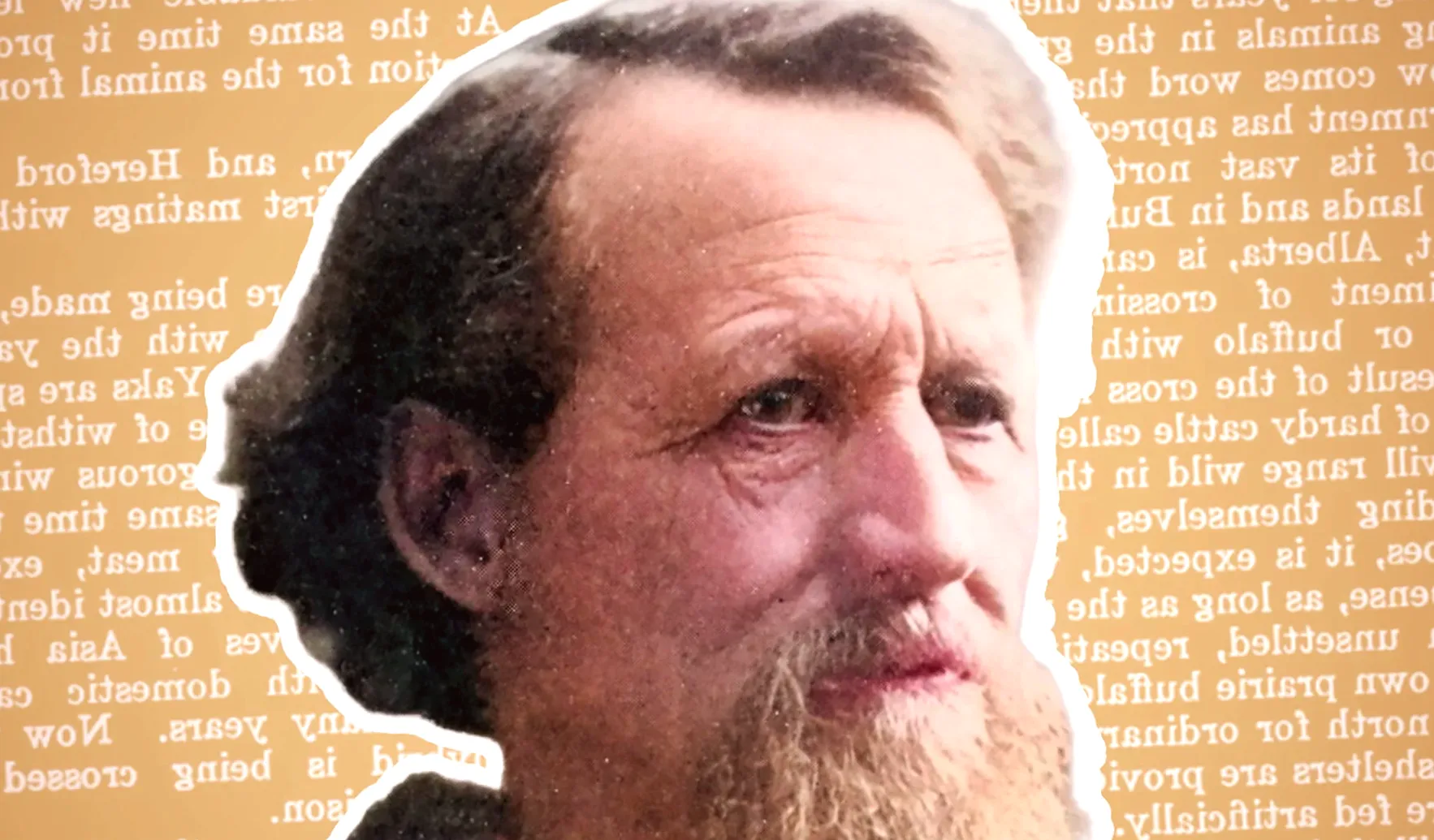
The cattalo was an unusual animalbroad, shaggy, with a slight buffalo hump and the calm face of a cow. It was Charles Buffalo Jones who first created this hybrid in 1888, aiming to develop the toughest livestock capable of thriving on the Great Plains. Yet, what followed was far beyond his expectations.
In December 1925, Popular Science praised the cattalo as a daring scientific attempt to develop a new source of meat: Vast herds of cattaloes are expected to expand naturally as long as the northern plains remain unsettled, echoing the rise of the prairie buffalo. However, the hybrid faced serious obstacles from the beginning, mainly poor fertility, a problem not well understood at the time. Despite this, over the next century, attempts to continue Joness work persisted.
The Origins of the Cow-Buffalo Hybrid
The cattalo was not born in a laboratory nor the result of rigorous science. Instead, it emerged from a crisis in the American West. By the mid-1880s, the Great Plains were eerily empty. Buffalo once numbered in the tens of millions, but railroads like Santa Fe and Union Pacific brought hunters who killed buffalo from train windows, leaving carcasses behind. Commercial hunters and the U.S. military followed, drastically reducing the population. By 1884, auditors estimated only a few hundred buffalo remained south of Canada.
As buffalo vanished, ranchers moved in, claiming open lands to raise cattle. But the harsh winters, especially the blizzards of 1886 and 1887, devastated these herds. Cattle trapped against barbed-wire fences froze or suffocated in subzero temperatures, creating what became known as the Big Die-Up.
Witnessing this devastation, Jonesa former buffalo hunterdecided to act. By 1886, he began rounding up the remaining buffalo. His Kansas ranch soon housed the nations largest private buffalo herd. In 1888, he successfully crossbred buffalo with cattle, hoping to create an animal that could survive the harsh winters and restore a species nearly wiped out by human hands.
The Cowboy Scientist and His Dream
Charles Jesse Buffalo Jones lived a life full of adventure. Moving from Illinois to Kansas in the 1860s, he initially gained fame as a buffalo hunter. Later, he became a conservationist, raising buffalo that eventually reached parks in Europe. He even traveled to Africa to capture wild animals and served as Yellowstone National Park Warden under President Theodore Roosevelt. Yet, his cattalo experiment was perhaps his most audacious undertaking.
Despite repeated failuresmale cattalo were often infertile or deformed, and females suffered high abortion ratesJones promoted the hybrid for decades, securing government sponsorship and private investment. By 1906, he had land in northern Arizona for crossbreeding efforts, but by 1908, the project had largely failed.
Continuing the Quest
Other ranchers took up Joness vision in the early 1900s. By 1925, Popular Science reported that the Canadian government had invested millions to stock plains with buffalo and cattalo. But by the 1940s, the hybrid still struggled to reproduce reliably.
In 1957, Montana rancher Jim Burnell produced the first fertile hybrid bull that was three-quarters buffalo. Later, in California during the 1970s, D.C. Bud Basalo developed a new hybrid called the beefalo, combining 3/8 buffalo with 5/8 cow. The American Beefalo Association was formed in 1975 to promote this new breed, which promised leaner meat, better disease resistance, and greater tolerance to extreme weather.
Modern Challenges and Genetic Reality
Even today, maintaining consistent buffalo-cattle ratios remains difficult. A 2024 U.S. Department of Agriculture genomic study revealed that many animals marketed as beefalo contain little to no buffalo DNA. Conversely, genetic traces of cattle have been found in wild buffalo populations, showing Joness legacy persists in the DNA of North American buffalo.
Modern beefalo breeding now involves careful genetic verification to determine ancestry, turning the endeavor into a project of identity as much as of livestock innovation. Despite the challenges, beefalo continue to exist in a niche market, reflecting humanitys enduring ambition to engineer hardier animals. From whimsical hybrids like the yakalo to scientific efforts to create climate-resilient cattle, the spirit of Buffalo Joness 1880s experiment lives ondriven by a blend of ambition, redemption, and a desire to reshape nature.
Author: Aiden Foster
Share

2026 Film Independent Spirit Award Nominees Announced (Live Updates)
42 seconds ago 3 min read ENTERTAINMENT

Which Hallmark Christmas movie is the best fit for you? Check out this guide.
1 minutes ago 4 min read ENTERTAINMENT

Prince Harry cheekily teases Duchess Meghan in cozy Netflix holiday special
2 minutes ago 3 min read ENTERTAINMENT

Paul Anka Comments on Frank Sinatra's 'Stature'
3 minutes ago 2 min read ENTERTAINMENT

Rita Ora's Micro Shorts Photos Show Her Top Hanging on by a String
3 minutes ago 1 min read ENTERTAINMENT

Tyla's Micro Shorts Stay Tiny in Music Video
4 minutes ago 1 min read ENTERTAINMENT

Kevin James' Action Comedy on Paramount+ in 2025 Outshines Playdate
5 minutes ago 3 min read ENTERTAINMENT

Dear Pete Hegseth, I Appreciate the Japanese Navy for Saving My Grandfather's Life
6 minutes ago 3 min read ENTERTAINMENT

When Season 2 of The Pitt Premieres, I Anticipate Clarification on Two Characters, One of Whom Won't be Coming Back
6 minutes ago 2 min read ENTERTAINMENT
Dick Van Dyke Mistakenly Believed He Swallowed His Dentures, until He Caught His Dog Bootsy Poppins Chewing on Them
7 minutes ago 2 min read ENTERTAINMENT