

Achieving lasting peace in Ukraine could depend on the presence of independent monitors - however, Trump's 28-point plan barely acknowledges their importance.
- Last update: 1 hours ago
- 3 min read
- 622 Views
- WORLD
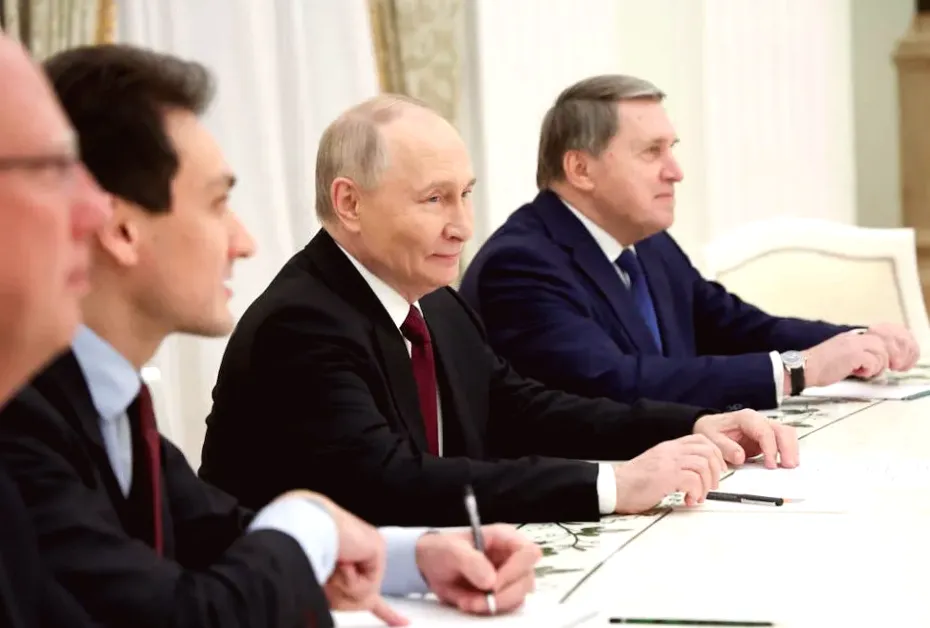
Negotiations aimed at ending the conflict in Ukraine have gained renewed momentum following the release of a 28-point peace framework by former U.S. President Donald Trumps administration. On December 2, 2025, Trumps envoys, Steve Witkoff and Jared Kushner, met with Russian President Vladimir Putin, signaling a fresh push in diplomatic efforts. However, it remains uncertain whether these talks will bring either side closer to a lasting resolution in the nearly four-year-long war.
Even if a ceasefire is achieved, the challenge of maintaining and enforcing the agreement looms large. Historical evidence shows that many peace accords collapse quickly, often leading to renewed violence. Research conducted by scholars specializing in peace monitoring highlights a crucial element for sustaining agreements: robust, multi-layered third-party oversight.
The University of Notre Dames Peace Accords Matrix, which compiles extensive data on domestic peace agreements, demonstrates that agreements with built-in verification measures overseen by independent parties are over 29% more likely to avoid renewed fighting in the first five years. Matrix experts frequently assist in both designing and monitoring peace processes, offering insights directly applicable to Ukraines situation.
Lessons from Colombia
The Peace Accords Matrixs experience with Colombia offers a model for Ukraine. Following the 2016 peace deal between the Colombian government and the FARC guerrillas, Notre Dames Kroc Institute conducted real-time, on-the-ground monitoring. A team of 30 monitored 578 commitments covering rural reform, political participation, and justice for victims. Staff visited reintegration camps, verified weapons disarmament, and evaluated accord targets directly, providing independent, quantitative, and qualitative assessments.
Matrix teams regularly meet with stakeholdersincluding former combatants, victims, and government officialsto track progress and prioritize key issues. Their work has revealed gaps in advancing womens leadership, ethnic minority inclusion, and livelihood programs, drawing attention to areas that require immediate action to uphold the accord.
Applying Oversight to Ukraine
For peace in Ukraine to be durable, any monitoring mechanism must have a clear, enforceable mandate and independence to document violations without interference. Past efforts, such as the Minsk agreements of 2014 and 2015, failed in part because the OSCE-led monitoring lacked authority to respond to breaches, allowing hostilities to continue and escalating the current war.
Effective monitoring should extend beyond physical borders to include cyber operations, as Russia has conducted extensive cyberattacks throughout the conflict. Comprehensive oversight must address digital threats, creating protocols for information-sharing with capable international observers.
Inclusive and Trusted Oversight
Building trust among conflicting parties is essential. Independent monitoring bodies can facilitate ongoing dialogue, adjusting to changing conditions and maintaining engagement. Involving civil society organizations, including faith-based groups with strong domestic credibility, can further legitimize monitoring efforts.
Ukrainian NGOs have developed expertise in monitoring elections, procurement, humanitarian aid, and potential war crimes. Leveraging this experience alongside international institutions can create a broader and more effective oversight framework. Rapid deployment of monitoring teams is crucial, as delays reduce relevance and impact.
Gaps in the Current Peace Proposal
Trumps 28-point plan mentions monitoring only briefly, proposing a Peace Council led by Trump himself. Historical and comparative research suggests that prioritizing independent monitoring and detailing its operations from the outset increases the likelihood of compliance and stability. Properly implemented, it sends a strong signal to Ukrainians that, unlike previous agreements, the international community will remain actively engaged in safeguarding peace.
Author: Connor Blake
Share

Suspected Ukrainian strike leaves sanctioned oil tanker stranded off Bulgaria's Black Sea coast
1 hours ago 2 min read WORLD

How would Canada, US and Mexico perform in their World Cup groups?
1 hours ago 3 min read WORLD

Bethlehem Christmas tree shines bright for the first time since the beginning of the Gaza war
1 hours ago 3 min read WORLD

Expert: Prince William Quietly Transforming Monarchy's Traditions
1 hours ago 2 min read WORLD
Achieving lasting peace in Ukraine could depend on the presence of independent monitors - however, Trump's 28-point plan barely acknowledges their importance.
1 hours ago 3 min read WORLD

Russia extends US citizen Gilman's jail sentence by 2 years, state media report
1 hours ago 1 min read WORLD

Nature retracts German study on worldwide expenses of climate change
1 hours ago 2 min read WORLD

Machado, the winner of the Peace Prize, is 'doing everything' to attend the ceremony
1 hours ago 2 min read WORLD

Ukrainian strike leaves sanctioned oil tanker stranded off Bulgaria's Black Sea coast
1 hours ago 2 min read WORLD
'We must stay united': Top EU diplomat supports partnership with US
1 hours ago 2 min read WORLD