

Is It Possible to Capture Images of Alien Earths? This Newly Discovered Object Could Provide the Answer
- Last update: 13 hours ago
- 2 min read
- 630 Views
- WORLD
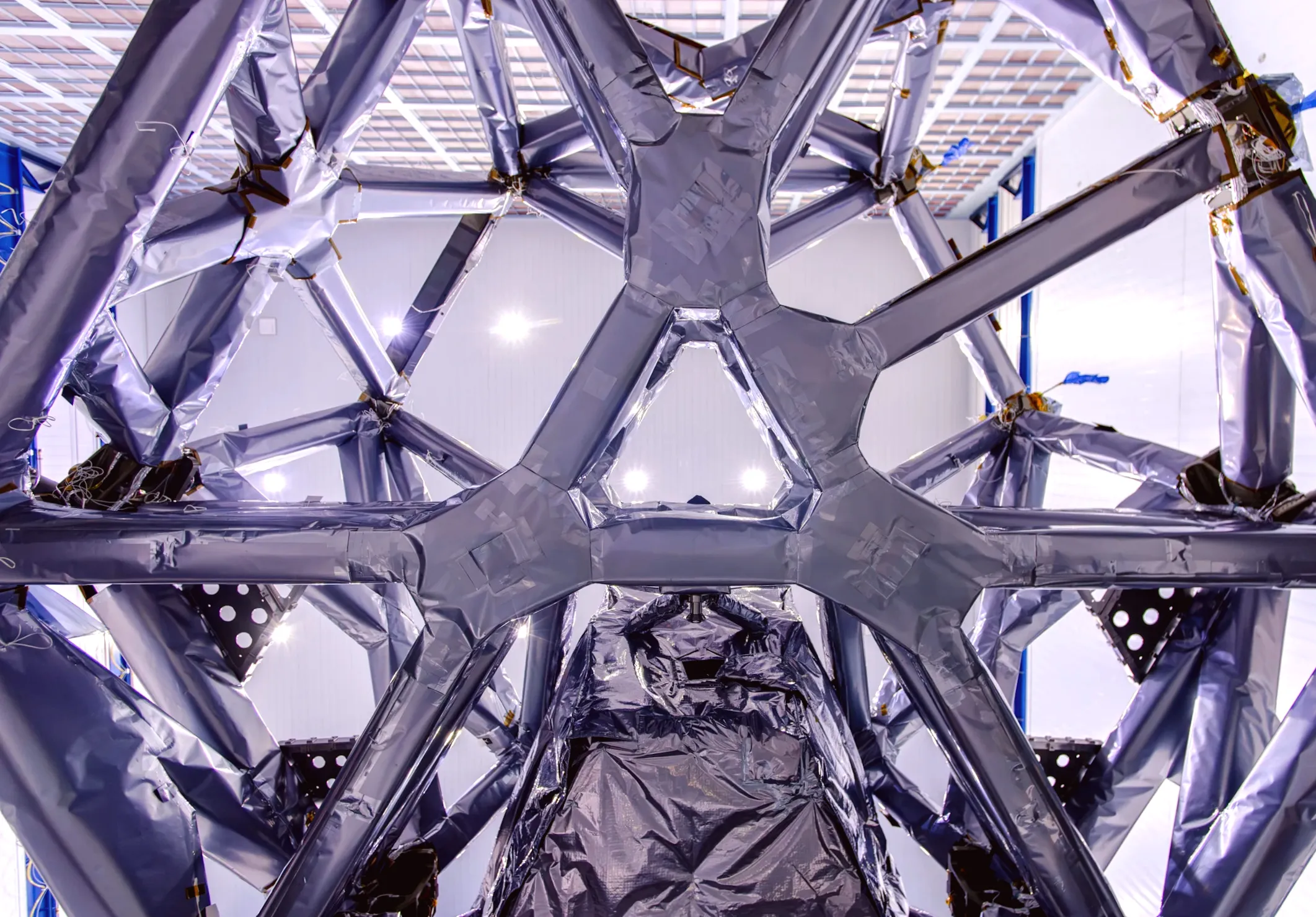
Astronomers have identified a promising target for testing NASAs upcoming Nancy Grace Roman Space Telescope, an observatory designed to explore Earth-like planets around distant stars. The telescope is set to launch soon and will serve as a pioneering mission in the hunt for other worlds similar to our own.
In two recent studies, an international team of researchers reported the discovery of two new celestial objects orbiting nearby stars: a gas giant exoplanet around HIP 54515 and a brown dwarf near HIP 71618. The brown dwarf, according to astrophysicist Thayne Currie of the University of Texas at San Antonio, could be the ideal candidate for testing Romans capabilities.
Both findings were made possible through new observations from the planet-imaging instrument at Japans Subaru Telescope in Hawaii, alongside archival data from the European Space Agencys Gaia mission.
Once in orbit, Roman will feature a coronagraph, an instrument designed to block out the overwhelming glare of stars so that the faint light from orbiting planets can be observed. This technology is an essential precursor to even more advanced starlight-blocking systems planned for NASAs future Habitable Worlds Observatory, expected to launch in the late 2030s. That mission aims to detect, image, and study potential Earth-like planets around sun-like stars.
To validate Romans coronagraph, scientists need a target that is nearbut far dimmer thanits host star. The brown dwarf fits this requirement perfectly: it is a dim failed star situated at the right distance and brightness for testing the telescopes instruments. Its going to test technologies that we will need to be able to image an Earth, Currie explains.
The discoveries highlight the progress made in the search for planets beyond our solar system. Rebecca Charbonneau, a science historian at the American Institute of Physics, notes that the direct-imaging methods used for these detections represent a major advancement over traditional indirect techniques, such as tracking stellar wobbles caused by orbiting planets. Direct imaging allows us to see these worlds themselves, marking not only a technical achievement but a transformation in how we study distant planetary systems, she says.
Author: Harper Simmons
Share
The final full moon of 2025 will shine tonight, marking one of the last supermoons for some time.
59 minutes ago 2 min read WORLD

Michael Bublé considers meeting Pope Leo as 'one of the greatest moments'
1 hours ago 2 min read WORLD

Prince George is receiving instruction on his future duties as king — Source
1 hours ago 3 min read WORLD

Video of Nigerian customs officer justifying feeding bandits is outdated
1 hours ago 3 min read WORLD

Have We Finally Moved Beyond the "Jaws Effect?"
1 hours ago 2 min read WORLD

The Royal Family's Best Photos from the German State Banquet at Windsor Castle
1 hours ago 2 min read WORLD

Tragic Accident: 6-Year-Old Boy Fatally Struck by School Bus During Drop Off, Leaving Community Devastated
1 hours ago 2 min read WORLD

Prince George remains unfazed by his future responsibilities as a future king — Source
1 hours ago 2 min read WORLD

Flavio Bolsonaro announces candidacy for Brazil’s 2026 presidential election endorsed by his father
1 hours ago 4 min read WORLD

Leader of Lithuanian governing party convicted for inciting hatred against Jews
1 hours ago 2 min read WORLD