

Study Suggests Rapid Evolution in Chernobyl's Dogs
- Last update: 5 hours ago
- 3 min read
- 881 Views
- WORLD
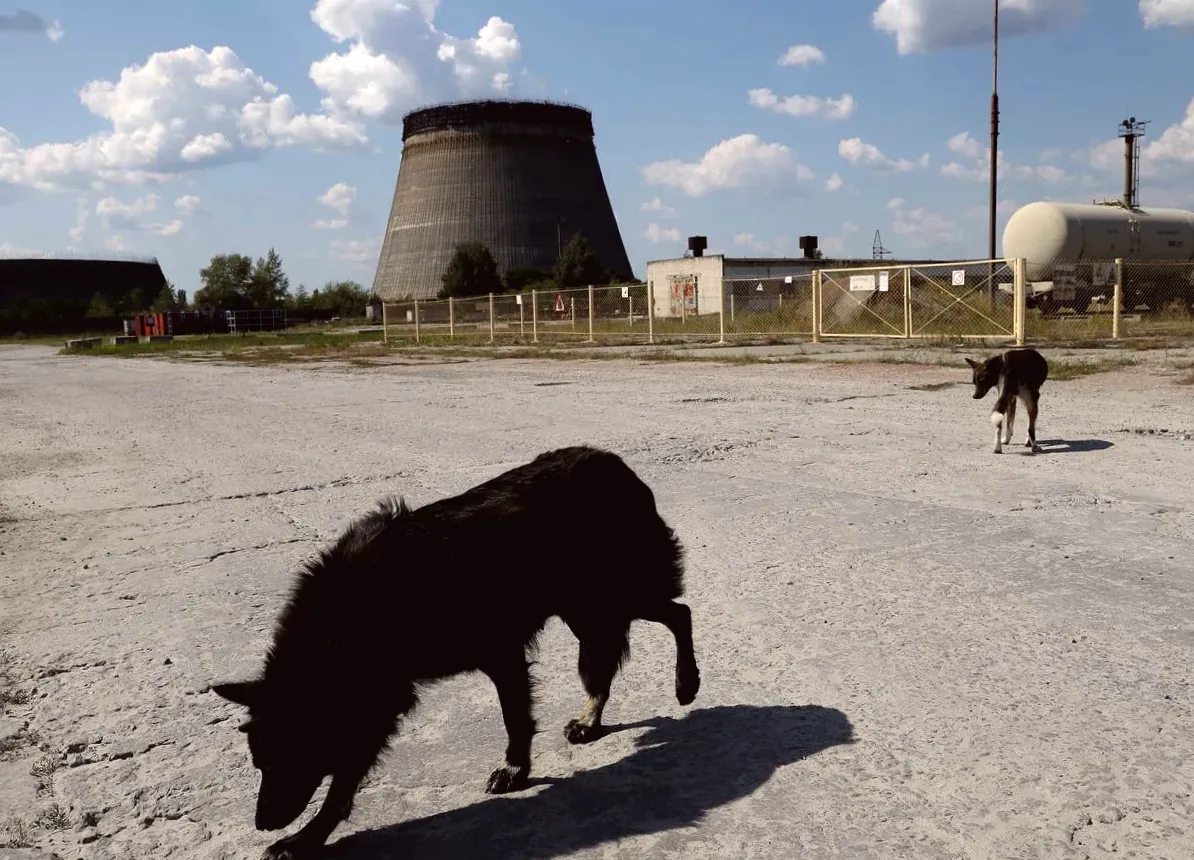
For many years, scientists have monitored animals living in and around the Chernobyl Nuclear Power Plant to study how chronic radiation exposure affects their biology and evolution. A recent study examined the DNA of 302 feral dogs from the Chernobyl Exclusion Zone (CEZ) and compared them with dogs living just 10 miles away. The findings revealed notable genetic differences between the two groups.
While the research does not definitively link radiation to these genetic variations, it establishes a foundation for understanding how animals in irradiated environments may differ from those in safer areas.
On April 26, 1986, the Chernobyl Nuclear Reactor in northern Ukraine exploded, releasing vast amounts of radiation into the atmosphere. Nearly forty years later, the surrounding areas remain largely uninhabited by humans, allowing wildlife to thrive. Among these are thousands of feral dogs, many descended from pets abandoned during the rapid evacuation of the region.
As the Chernobyl disaster approaches its 40th anniversary, biologists are closely studying the CEZ, which spans an area roughly the size of Yosemite National Park, to investigate how long-term radiation exposure may have influenced animal genomes and possibly accelerated evolution.
Researchers from the University of South Carolina and the National Human Genome Research Institute analyzed the DNA of feral dogs within the CEZ, aiming to identify potential adaptations to their environment. Their results, published in Science Advances in 2023, raised questions about whether these dogs possess genetic mutations that help them survive and reproduce under high radiation conditions.
The concept that radiation might accelerate evolution is not new. For instance, irradiating seeds in space has been used to encourage beneficial mutations for crop development. Similarly, scientists have studied various species in the CEZ, including rodents, birds, and even bacteria. One notable study in 2016 found that Eastern tree frogs in the zone were more often black rather than green, likely due to mutations in melanin that helped mitigate radiation effects.
The 2023 study on dogs revealed clear genetic differences between animals living near the power plant and those only a short distance away. While this suggests the possibility of rapid adaptation, scientists caution that separating radiation effects from other factors, like inbreeding, is complex.
Subsequent research has challenged the idea that radiation is driving these genetic changes. A later study published in PLOS One by teams from North Carolina State University and Columbia University examined the genomes of Chernobyl dogs in detail, comparing them to dogs from Russia, Poland, and nearby regions. They found no evidence of radiation-induced mutations.
Despite this, the 2023 findings remain valuable as they provide a baseline for further exploration of how radiation might affect larger mammals. Comparing the DNA of dogs from the CEZ to those in unaffected areas allows scientists to investigate evolutionary responses in a unique and extreme environment. Even without definitive conclusions, the CEZ continues to serve as a rare and important natural laboratory for studying radiations influence on wildlife evolution.
Author: Logan Reeves
Share

The deadly flooding across Asia unleashed by a mix of rogue storms and climate chaos
1 hours ago 5 min read WORLD

The final full moon of 2025 will shine tonight, marking one of the last supermoons for some time.
2 hours ago 2 min read WORLD

Michael Bublé considers meeting Pope Leo as 'one of the greatest moments'
2 hours ago 2 min read WORLD

Prince George is receiving instruction on his future duties as king — Source
2 hours ago 3 min read WORLD

Video of Nigerian customs officer justifying feeding bandits is outdated
3 hours ago 3 min read WORLD

Have We Finally Moved Beyond the "Jaws Effect?"
3 hours ago 2 min read WORLD

The Royal Family's Best Photos from the German State Banquet at Windsor Castle
3 hours ago 2 min read WORLD

Tragic Accident: 6-Year-Old Boy Fatally Struck by School Bus During Drop Off, Leaving Community Devastated
3 hours ago 2 min read WORLD

Prince George remains unfazed by his future responsibilities as a future king — Source
3 hours ago 2 min read WORLD

Flavio Bolsonaro announces candidacy for Brazil’s 2026 presidential election endorsed by his father
3 hours ago 4 min read WORLD