

Oregon Officials Express Concern Over Appearance of Hairy, Invasive, Wall-Scaling Crabs
- Last update: 40 minutes ago
- 2 min read
- 607 Views
- US
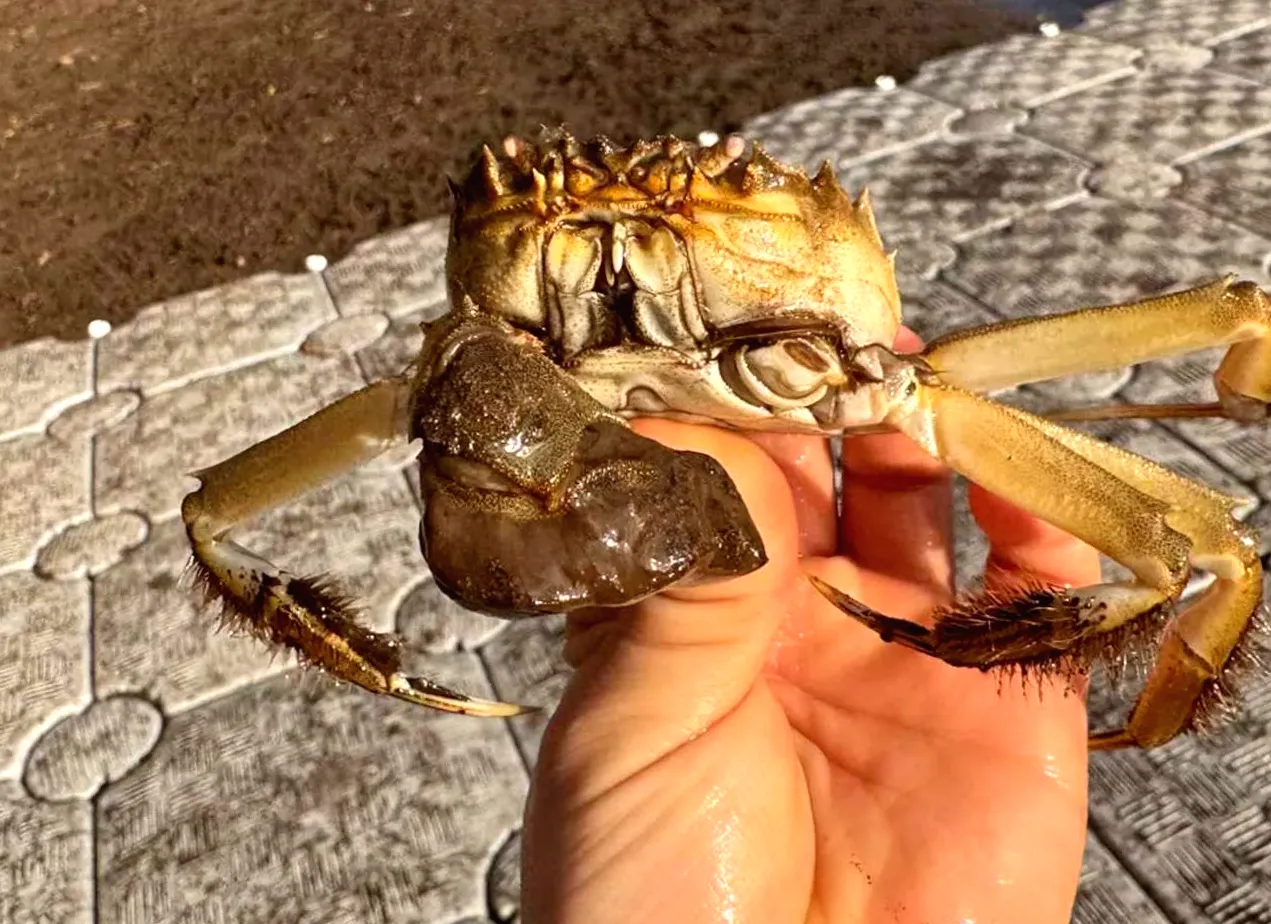
Reports confirm the presence of the non-native Chinese mitten crab in the Willamette River near Portland, Oregon. This is the second verified appearance of this species in the state during 2025, prompting worries that it could establish a local population and disrupt the region's natural ecosystems.
Authorities are urging the public to report any sightings of the Chinese mitten crab while biologists intensify monitoring efforts across Oregon.
The Chinese mitten crab is easily recognized by its fuzzy, mitten-like claws, four spines on its sides, and a distinctive notch between its eyes. According to the Oregon Department of Fish & Wildlife (ODFW), these medium-sized crabs are not native to the United States and typically measure around 3 inches across, with colors ranging from brown-orange to greenish-brown.
The latest crab was discovered in shallow waters of the Willamette River on Monday, November 17. Wildlife officials removed the live crab by hand, and it will not be released back into the river. Experts note that Chinese mitten crabs are capable of climbing walls up to 13 feet high.
This November sighting is the second confirmed detection in Oregon this year; the first occurred in April in the Lower Columbia River. ODFW specialists describe these encounters as "concerning" and are investigating whether the species is establishing itself in local waterways.
To track the crabs, ODFW is collaborating with the U.S. Fish and Wildlife Service, Portland State Universitys Center for Lakes and Reservoirs, and the Oregon Invasive Species Council. Monitoring methods include placing artificial habitats to attract crabs, analyzing water and sediment samples for environmental DNA, and conducting shoreline searches for molted shells.
The presence of Chinese mitten crabs poses several ecological risks. They burrow into levees, dikes, and riverbanks, potentially causing erosion and threatening flood-control structures. Additionally, they feed on fish eggs, prey on native species, and compete with local fish and crayfish for resources.
Because possession or sale of Chinese mitten crabs is illegal in Oregon, officials emphasize the risk of illegal imports associated with the food trade and encourage reporting any suspicious activity. ODFW notes that these invasive crabs can be mistaken for the native hairy shore crab, which has internal claw hairs rather than exterior fuzz.
Residents can report sightings online through the Oregon Invasive Species Report an Invader portal or by calling 1-866-INVADER. Submitting photographs is highly recommended to aid in identification.
Author: Caleb Jennings
Share
Interested in viewing the final supermoon of 2025? Here's what you need to know.
47 seconds ago 2 min read US

California Couple Charged with Torture and Murder of 14-Month-Old Girl in Heartbreaking Case
4 minutes ago 2 min read US

Grants designed to assist individuals in overcoming obstacles to employment
12 minutes ago 2 min read US

The disappearance of the boy was unexpected
17 minutes ago 3 min read US

Cal Poly students research ancient bacteria preserved in amber. Feeling like Jurassic Park
18 minutes ago 2 min read US

Student develops app to assist universities in becoming more environmentally friendly
19 minutes ago 2 min read US

Toddler's Laughter Playing With 'Fierce' Dog Goes Viral
24 minutes ago 2 min read US

Burna Boy volunteers to cover funeral costs for victims in Stockton
26 minutes ago 1 min read US
Data reveals increase in immigration arrests of individuals with no criminal backgrounds
32 minutes ago 2 min read US
Oregon Officials Express Concern Over Appearance of Hairy, Invasive, Wall-Scaling Crabs
40 minutes ago 2 min read US