

Breakthrough study discovers new cancer treatment that targets and eliminates deadly tumors
- HOME
- ENTERTAINMENT
- Breakthrough study discovers new cancer treatment that targets and eliminates deadly tumors
- Last update: 9 minutes ago
- 4 min read
- 594 Views
- ENTERTAINMENT
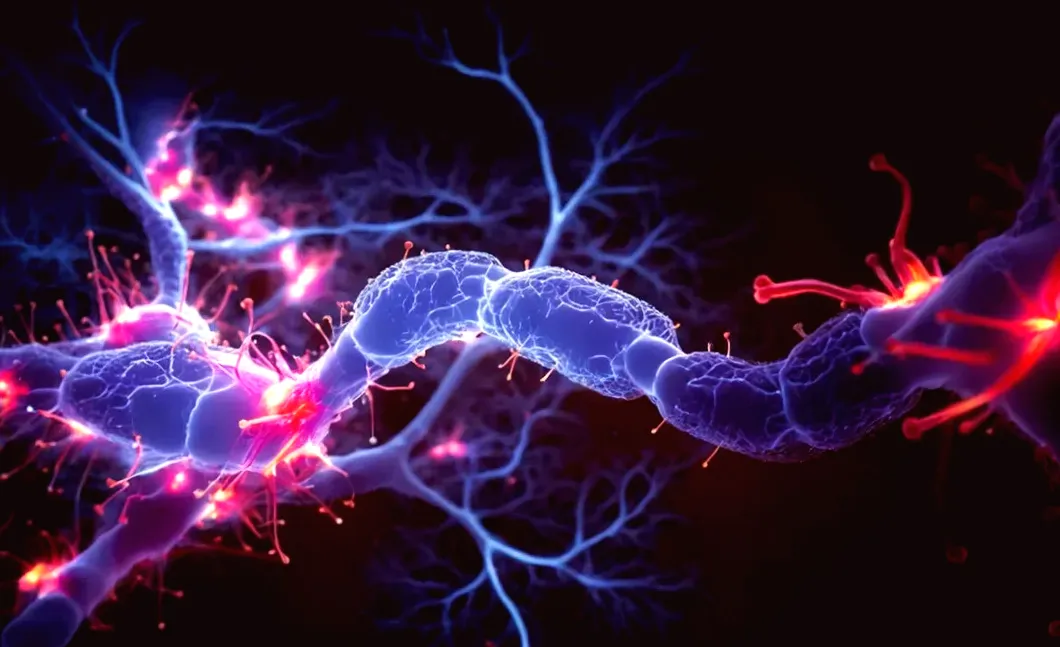
Researchers at UCLA have pioneered a groundbreaking cell-based immunotherapy capable of targeting and eliminating pancreatic cancer cells, even after they have spread to other organs. This therapy was shown to not only slow the growth of cancer but also extend survival rates in a preclinical mouse study. Remarkably, it remains effective even in the harsh environment of solid tumors.
Lead author Dr. Yanruide Li, a postdoctoral scholar at UCLA, emphasized the unique strength of the therapy: "Even when the cancer tries to evade one attack method by altering its molecular markers, our treatment strikes from multiple angles at once. The tumor can't adapt quickly enough to escape," he said.
The scientists achieved this breakthrough by using human stem cells and transforming them into a specialized immune cell known as an invariant natural killer T (NKT) cell. These cells were then genetically engineered by adding a chimeric antigen receptor (CAR), which enables them to recognize and destroy pancreatic cancer cells.
The off-the-shelf CAR-NKT cell therapy has shown promise in multiple preclinical models. These NKT cells are universally compatible with any immune system, allowing them to enter the body without causing adverse reactions. Additionally, they can be mass-produced from any donated blood stem cells, potentially making the treatment both affordable and widely accessible. One donor's cells could provide enough material for thousands of treatments.
In their studies, the team tested the therapy in different models, including those where the cancer originated in the pancreas and others designed to simulate how the disease spreads to other organs such as the liver and lungs. Notably, the CAR-NKT cells were able to infiltrate the tumor, unlike many other immune treatments that get stuck on the tumors surface.
The researchers pointed out that while a single dose of this therapy may cost around $5,000, it is significantly less expensive than personalized CAR-T cell treatments. The engineered immune cells, once inside the body, can identify cancer cells in several distinct ways and destroy them using multiple mechanisms. Moreover, these cells remain active, unlike many immune cells that become exhausted inside solid tumors. This allows the therapy to continue fighting cancer over a prolonged period.
Senior author Dr. Lili Yang, a professor of microbiology, immunology, and molecular genetics at UCLA, stated: "Developing a therapy that targets both the primary tumor and its metastases, ready for use off-the-shelf, marks a transformative shift in how we could treat cancer."
Importantly, the therapy's potential extends beyond pancreatic cancer. It targets a protein common to several other types of cancer, including breast, ovarian, and lung cancers. This means that the same CAR-NKT cell treatment could potentially be effective for multiple cancer types. In separate studies, the therapy has already shown success in treating triple-negative breast cancer and ovarian cancer.
Given the early success, the UCLA team is now preparing to submit their findings to the Food and Drug Administration (FDA) in order to initiate clinical trials in humans. While the results so far have been promising, the therapy has only been tested in mice, and human tumors are significantly more complex. There are concerns about human tumors evolving and potentially escaping detection, making long-term safety and effectiveness in humans a crucial area of study.
Dr. Yang expressed optimism about the therapys future: "We have developed a treatment that is potent, safe, scalable, and cost-effective. The next essential step is to confirm it will work as effectively in patients as it has in our preclinical trials."
Researchers also face logistical challenges in producing large quantities of safe, identical cells for widespread use. These hurdles must be overcome before the therapy can reach patients, but the team remains hopeful that their approach will revolutionize cancer treatment.
Author: Sophia Brooks
Share

Madelyn Cline's Risqué Underwear Picture Pays Off Well
5 seconds ago 1 min read ENTERTAINMENT

Where Is Suge Knight Currently? Exploring the Music Executive’s Career and the Crime That Led to a 28-Year Prison Sentence
2 minutes ago 5 min read ENTERTAINMENT

Arnold Allen cautions Tom Aspinall about potential criticism for complaining about eye-pokes: 'People may perceive it as whining'
4 minutes ago 3 min read ENTERTAINMENT

Breakthrough study discovers new cancer treatment that targets and eliminates deadly tumors
9 minutes ago 4 min read ENTERTAINMENT

Kate Middleton pays tribute to Queen Victoria with her 2,600 Diamonds Tiara
10 minutes ago 2 min read ENTERTAINMENT

Kim Kardashian is upset about Meghan Markle's actions last month, says source.
10 minutes ago 2 min read ENTERTAINMENT

Euphoria creator hints at new storylines for season three of the show
13 minutes ago 3 min read ENTERTAINMENT

Shah Rukh Khan and Kajol reveal bronze statue in London's Leicester Square to celebrate 'DDLJ' 30th anniversary (EXCLUSIVE)
14 minutes ago 3 min read ENTERTAINMENT

All the Information We Have About FALLOUT Season 2
15 minutes ago 3 min read ENTERTAINMENT

Paul Feig Shares How Blake Lively Assisted in Casting 'The Housemaid'
18 minutes ago 2 min read ENTERTAINMENT