

Over 40 suspected cases of bluetongue virus in Northern Ireland
- Last update: 1 hours ago
- 3 min read
- 495 Views
- US
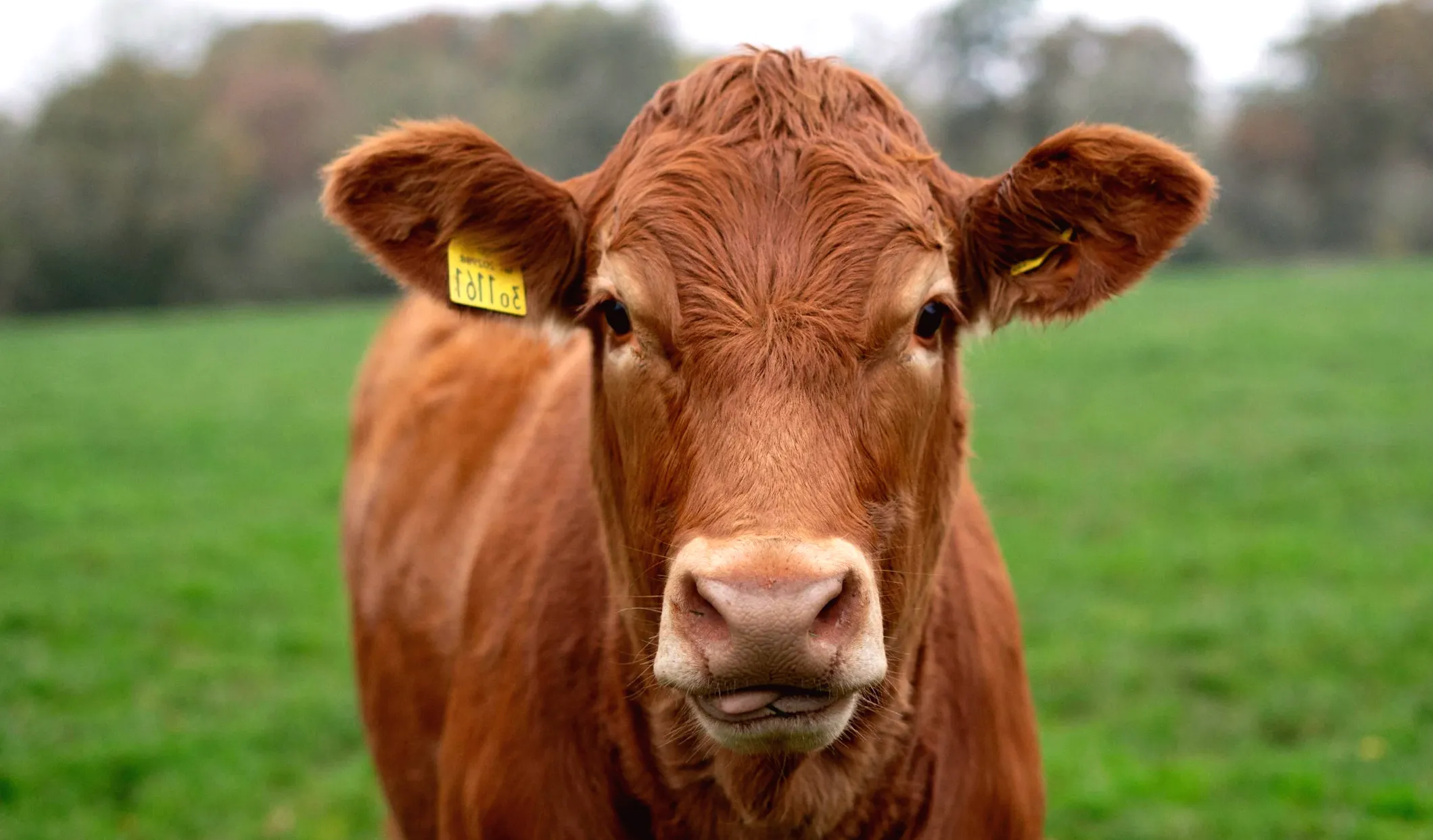
Authorities in Northern Ireland have detected multiple potential cases of bluetongue virus (BTV) in livestock. Testing has revealed 44 suspected instances within a County Down herd, the same herd where the first case on the island of Ireland was identified over the weekend.
Two cows from the Clandeboye Estate initially tested positive during routine abattoir screenings in November, and these findings have now been confirmed.
Bluetongue, spread by midges, poses no risk to humans or food safety but can seriously impact cloven-hoofed animals such as sheep and cattle. Samples are being sent to both national and EU reference laboratories for further verification.
The Department of Agriculture, Environment and Rural Affairs (Daera) minister, Andrew Muir, described the initial results as "undoubtedly a blow" for the Clandeboye Estate team, which follows stringent biosecurity measures. He also noted the setback for Northern Ireland's agri-food sector, which had maintained bluetongue-free status until now.
Minister Muir confirmed ongoing communication with his Irish government counterpart, Martin Heydon, as well as coordination across administrations on the islands. Testing will be conducted on 20 herds within the 20km Temporary Control Zone around Clandeboye Estate to check for potential virus spread.
Clandeboye Estate stated that routine tests detected possible bluetongue antibodies in two former herd members. The estate is collaborating closely with veterinarians and Daera to conduct further investigations.
Biting midges, active mainly from April to November, are the primary vector for BTV. The virus's spread depends on weather and wind, with cooler temperatures reducing risk. The Agri-Food and Biosciences Institute (AFBI) is monitoring midge populations through traps placed across Northern Ireland.
Saintfield Livestock Market in Ballynahinch, County Down, has been closed as it falls within the control zone. In July, plans were announced allowing Northern Ireland farmers to vaccinate their livestock against BTV, aligning with UK-wide measures.
In the Northern Ireland Assembly, Agriculture Minister Muir emphasized that samples from suspected cases must undergo confirmatory testing in labs in Germany and England.
Understanding Bluetongue Virus
Bluetongue affects cattle, sheep, goats, deer, and camelids like llamas and alpacas. Symptoms can include mouth and facial sores, difficulty swallowing or breathing, fever, lameness, fetal deformities, and stillbirths. The disease is notifiable, and anyone suspecting infection must report it to a veterinarian, local divisional veterinary office, or directly to Daera.
The current outbreak originated in the Netherlands in 2023, causing thousands of sheep deaths. Infected midges subsequently spread the virus to the south-east of England. BTV-3 shows varying severity, with some animals recovering with minimal symptoms.
Minister Muir acknowledged the heightened concern among farmers, noting the urgency of testing farms following the likely detection of bluetongue.
Author: Noah Whitman
Share

Review of a popular newborn vaccine and a red district stops a blue offensive: Morning Rundown
52 minutes ago 2 min read US

Ocean-Effect Snow: Important Information on This Weather Phenomenon (And Should You Be Worried?)
57 minutes ago 2 min read US

D-Day hero Charles Shay, who rescued lives on Omaha Beach, passes away at 101 in France
1 hours ago 2 min read US

Woman in her thirties battling for survival following a crash
1 hours ago 1 min read US

Over 40 suspected cases of bluetongue virus in Northern Ireland
1 hours ago 3 min read US

Woman known for her ability to make friends everywhere dies in a crash
1 hours ago 1 min read US

The Deceptive Cost Trick
1 hours ago 2 min read US

Shop raided, thousands of illegal cigarettes confiscated
1 hours ago 1 min read US
Arctic cold front sweeps through the Midwest and Northeast: Current weather forecast
1 hours ago 1 min read US

911 calls released from Texas floods show dispatchers overwhelmed
1 hours ago 2 min read US